
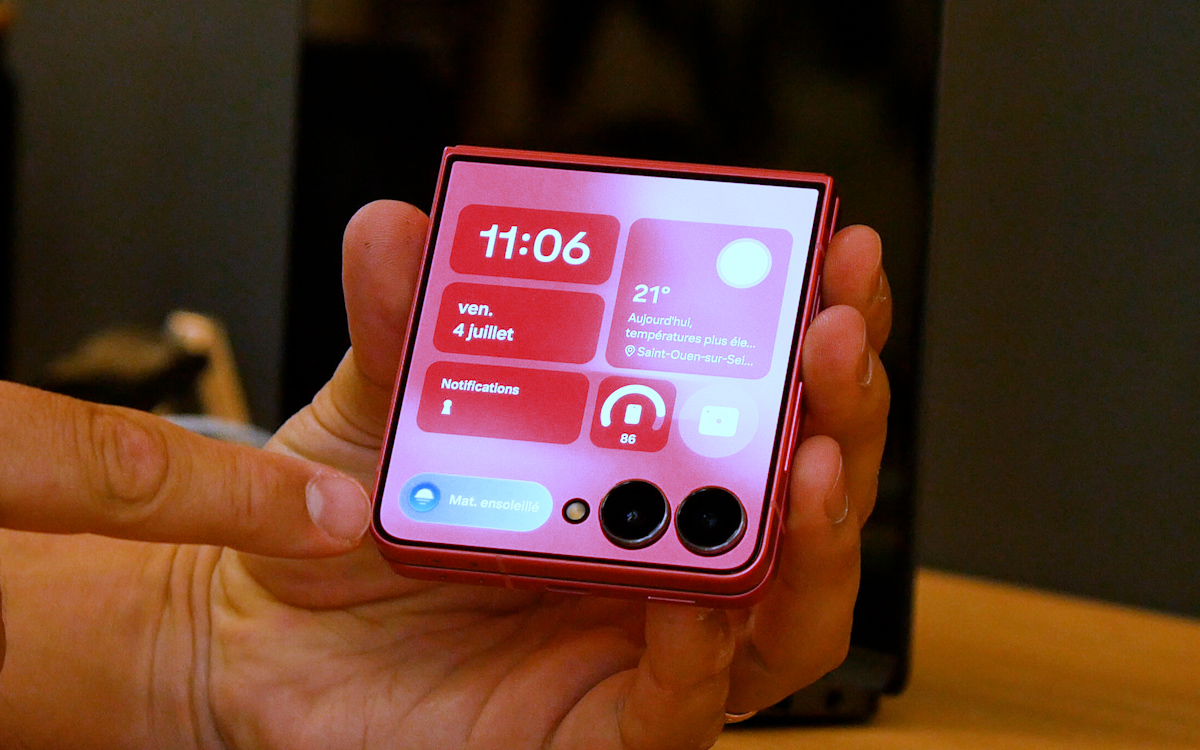
Samsung’s Galaxy Z Flip 8 will split its processor strategy between Qualcomm and Samsung’s own chips, mirroring the approach it pioneered with the Galaxy S series—but this time, the move could signal a deeper shift in how foldable phones are built. The company is reportedly offering two versions of the Flip 8: one powered by Qualcomm’s Snapdragon 8 Elite Gen 5 for key markets like the U.S. and China, and another with Samsung’s Exynos 2600 for Europe, Korea, and the rest of the world. The decision, driven by cost pressures and Qualcomm’s aggressive pricing, marks the first time Samsung’s premium foldable line will adopt a dual-processor strategy—one that could redefine the segment’s competitive dynamics.
Why Samsung’s Flip 8 Is Breaking Its Own Rules
Samsung has long been a stalwart of Qualcomm’s Snapdragon ecosystem for its foldable phones, but the Galaxy Z Flip 7 upended that tradition last year by using Samsung’s in-house Exynos 2500 chip globally. Now, the company is reversing course—not entirely, but in a way that mirrors its Galaxy S lineup, where Snapdragon and Exynos chips coexist depending on the market. According to Phonandroid, the Flip 8 will ship with both the Snapdragon 8 Elite Gen 5 and the Exynos 2600, a first for Samsung’s foldable line.

The reasoning is clear: Samsung’s Exynos division isn’t yet profitable enough to justify a global push for its own chips in foldables. A leaker quoted by Phonandroid explained that Samsung’s internal negotiations between its mobile and semiconductor divisions—two semi-independent units—have made it more cost-effective to use Qualcomm’s chip in high-volume markets like the U.S. and China, where demand is strongest. Meanwhile, the Exynos 2600 will power the Flip 8 in Europe, Korea, and other regions, a strategy that keeps production costs in check while still offering Samsung’s own hardware where it matters.
This isn’t just about cost, though. Qualcomm’s Snapdragon 8 Elite Gen 5 is reportedly more power-efficient and better optimized for foldable form factors than Samsung’s current Exynos offerings. For a phone like the Flip 8, which prioritizes portability and performance, that could be a decisive advantage—especially if Samsung wants to compete with Apple’s rumored iPhone Fold, which is expected to debut later this year.
The Flip 8’s Weight Problem—and How Samsung Plans to Fix It
One of the biggest criticisms of foldable phones has always been their weight. Most models feel like bricks compared to traditional smartphones, and Samsung’s Flip series hasn’t been immune to that complaint. But the Galaxy Z Fold 8 and Fold 8 Ultra—yes, Samsung is sticking with the “Fold” branding for its larger model—are set to redefine what a foldable phone can be. According to Frandroid, the Flip 8 is targeting a staggering 201 grams—just slightly heavier than a standard smartphone like the iPhone 15 Pro Max.
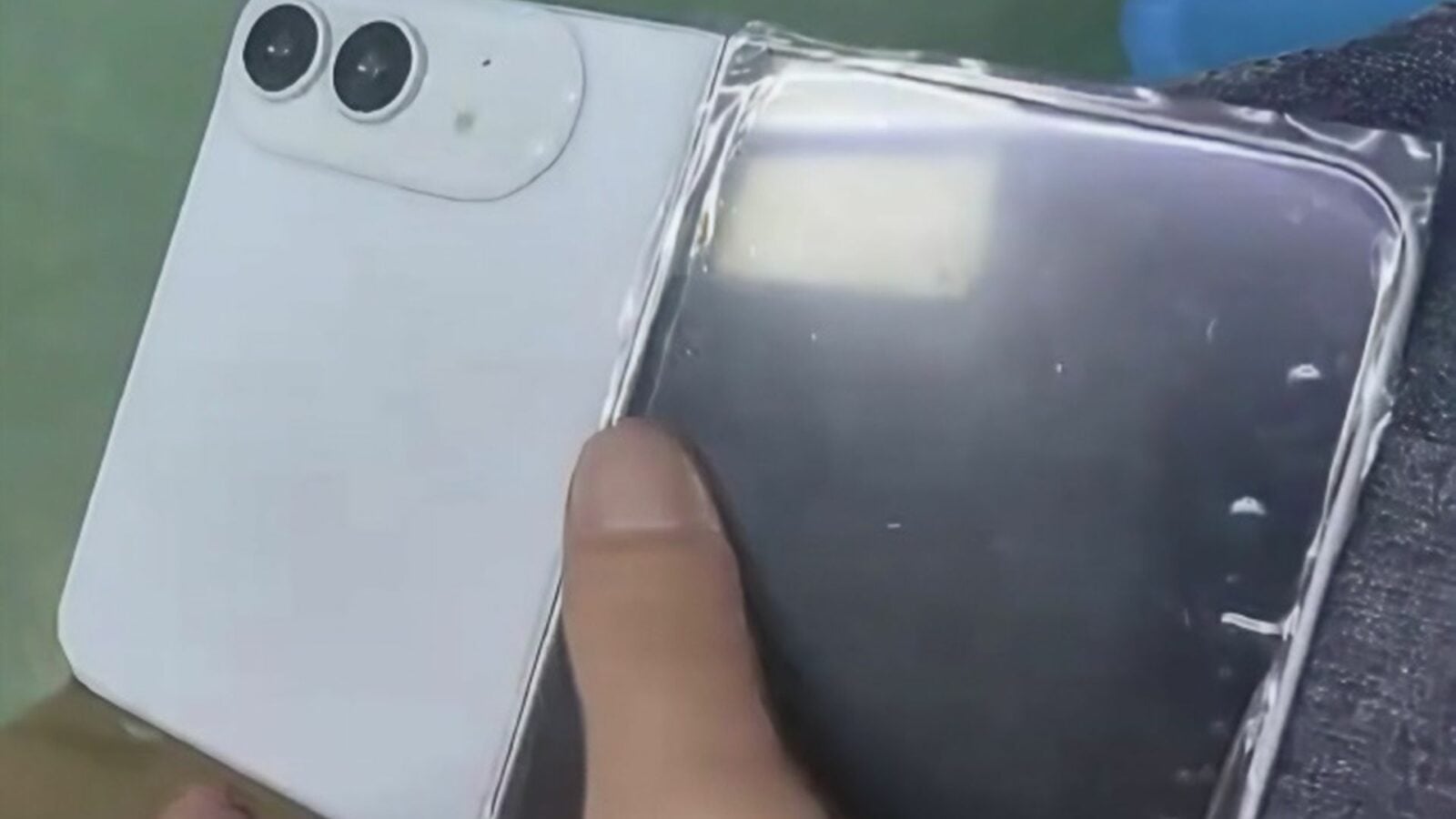
How? By making sacrifices elsewhere. The Flip 8 will use a single 50-megapixel camera (with binning to 24MP) instead of the dual-camera setup seen on previous models, and it will forgo some of the premium materials used in higher-end foldables. The trade-off is intentional: Samsung is betting that consumers will prioritize portability over raw camera performance in a compact form factor.
In contrast, the Galaxy Z Fold 8 Ultra—expected to launch alongside the Flip 8—will keep its premium specs but with a focus on battery life. La Crème Du Gaming reports that the Ultra will feature a 5,000mAh battery (up from 4,400mAh on the Fold 7) and 45W fast charging, a significant leap for Samsung’s foldable line. The Ultra will also retain its 215-gram weight, proving that Samsung can balance power and portability—just in different ways for each model.
The iPhone Fold Looms: Samsung’s Race to Redefine the Foldable Standard
Apple’s rumored iPhone Fold is shaping up to be the biggest threat to Samsung’s foldable dominance—and the Korean giant is responding with a bold move. Presse-Citron reveals that Samsung is preparing two distinct Fold 8 models: a “Wide” version with a near-square outer display (closer to the iPhone’s expected design) and the traditional tall-and-narrow Ultra. The Wide model is essentially Samsung’s answer to Apple’s anticipated foldable, with a 16:9 inner screen to minimize black bars—a feature Apple is also rumored to adopt.
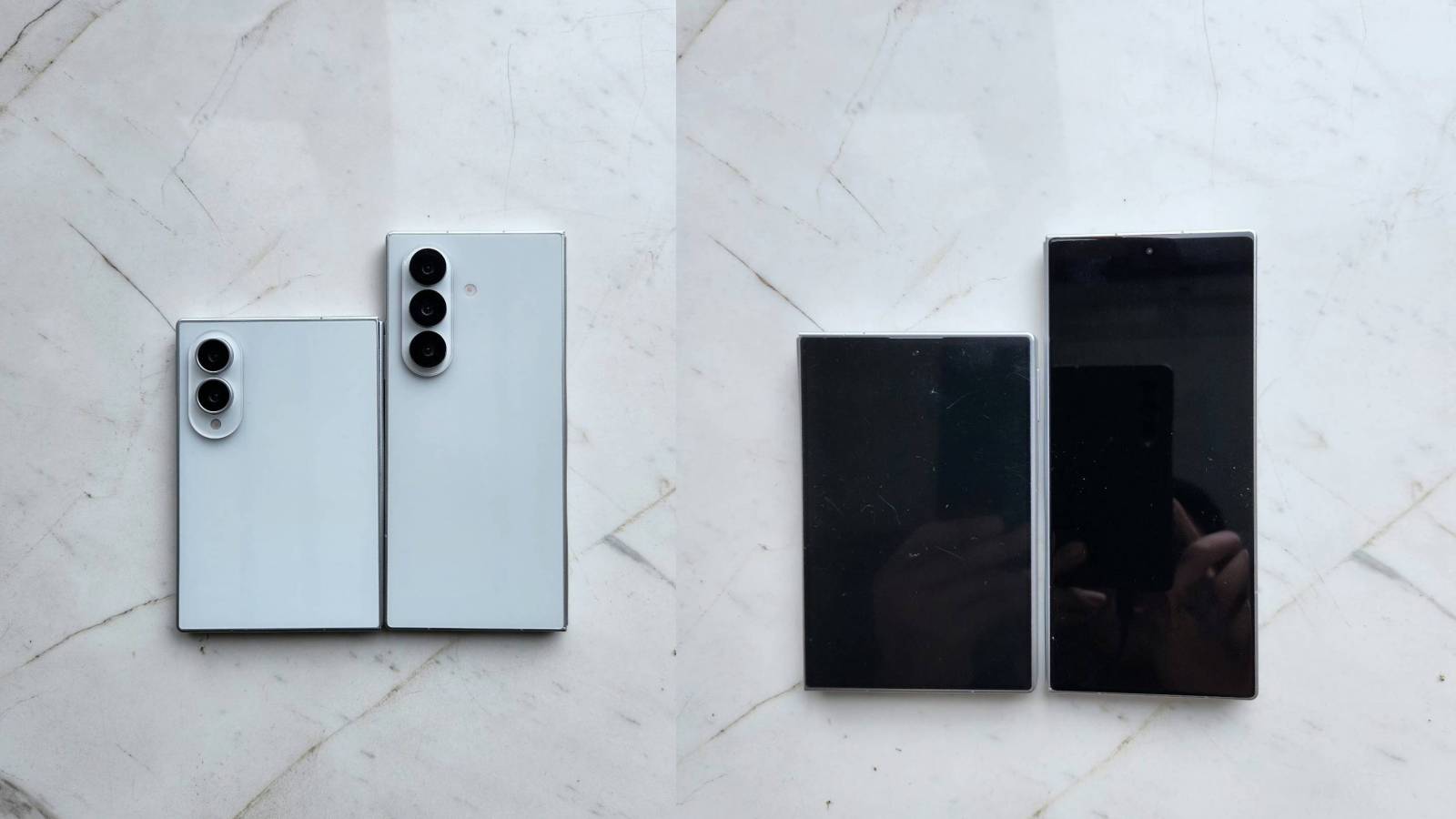
This isn’t just about copying Apple. Samsung is betting that the “passeport” format—where the outer screen is nearly square—will become the new standard for foldables. The trade-off? Ergonomics. Both the iPhone Fold and Samsung’s Wide model will be harder to use with one hand, but the payoff is a more immersive viewing experience. Samsung’s move could force Apple to either embrace the format or risk looking outdated.
Timing is critical. Samsung plans to unveil the Fold 8 and Flip 8 at its Galaxy Unpacked event in London on July 22, 2026—just weeks before Apple’s expected iPhone Fold reveal. The message is clear: Samsung isn’t waiting for Apple to set the pace. It’s setting the pace itself.
What’s Next: A Foldable Market at a Crossroads
Samsung’s dual-processor strategy for the Flip 8, its push into the passeport format, and its focus on weight and battery life all point to one thing: the foldable market is maturing. No longer just a niche for tech enthusiasts, these phones are becoming mainstream—and Samsung is positioning itself as the leader in defining what that mainstream looks like.
But challenges remain. The Flip 8’s lighter weight comes at the cost of camera capabilities, and the Wide format’s ergonomic trade-offs could alienate some users. Meanwhile, Apple’s iPhone Fold will bring its own set of compromises—likely a more premium price tag and a design that prioritizes brand over flexibility. Samsung’s bet is that consumers will value innovation over perfection, but only time will tell if the market agrees.
One thing is certain: the next six months will be pivotal. With Samsung’s Unpacked event on the horizon and Apple’s iPhone Fold expected to follow, the foldable wars are entering a new phase. The question isn’t whether these phones will succeed—it’s which company will shape the future of the segment.
For now, Samsung is playing its cards close to the vest. But the Flip 8’s dual-chip strategy, the Fold 8’s format experiment, and the Ultra’s battery leap all suggest one thing: the era of the foldable phone is no longer about proving the concept. It’s about who will define the standard—and who will follow.
