
AnyDesk, a remote desktop application, has gained attention for its cross-platform capabilities and secure connectivity features, according to recent coverage from two distinct sources. The software, available on Google Play and Spanish tech platforms, offers tools for remote assistance, file transfer, and virtual private network (VPN) access, with a free tier for personal use and paid options for advanced functions.
Key Features and Technical Specifications
AnyDesk’s primary function is enabling remote control of devices, whether for IT support, remote work, or personal use. The app supports file transfer, remote printing, and Wake-On-LAN, allowing users to access devices from anywhere with an internet connection. A notable feature is its built-in VPN, which creates a private network between local and remote clients. However, the software explicitly states that this does not grant access to local networks on either end. Instead, it facilitates secure connections for specific tasks, such as SSH (Secure Shell) access or streaming LAN multiplayer games over the internet.
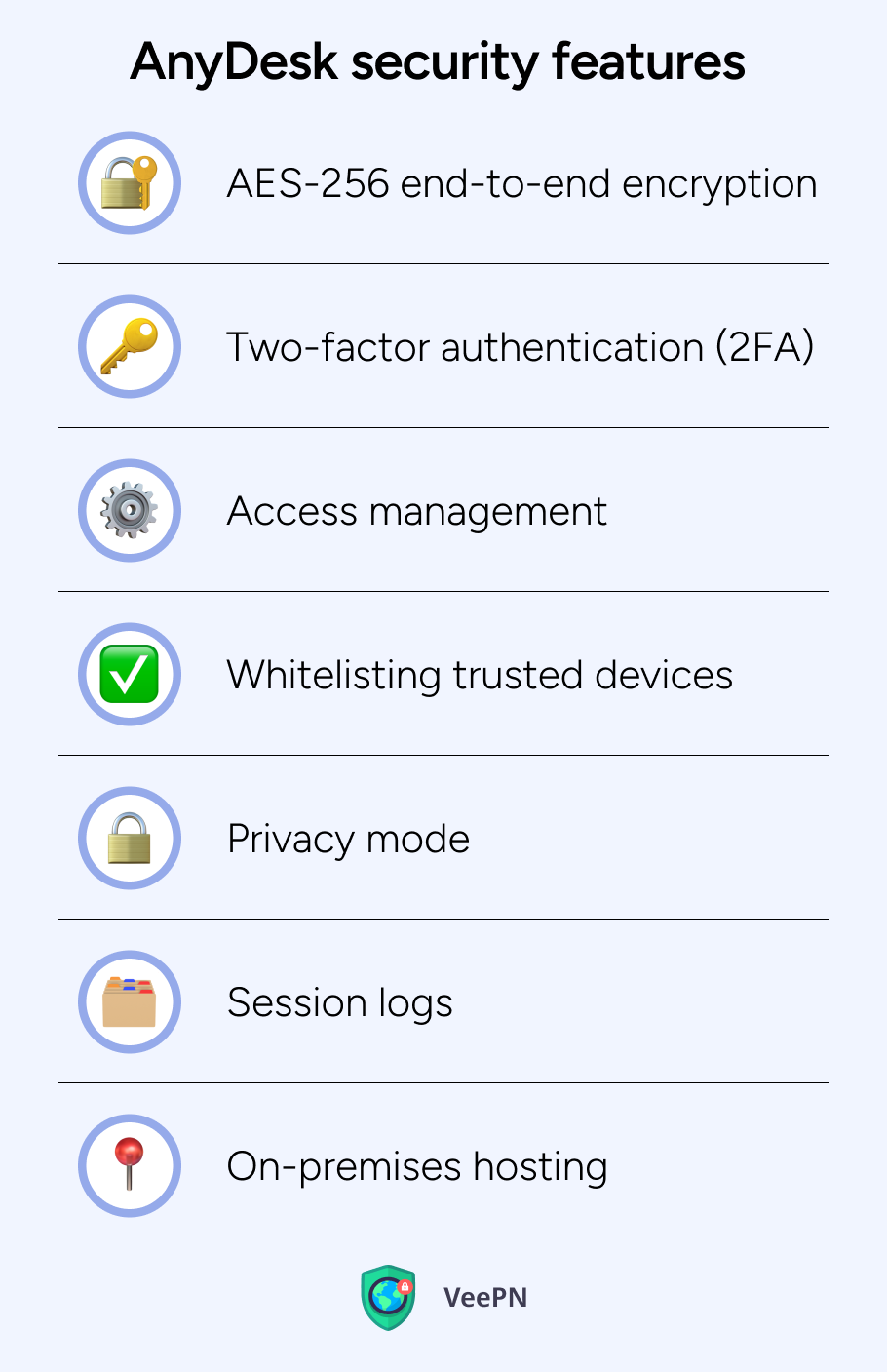
According to the Google Play page, AnyDesk’s enterprise-grade encryption uses banking-standard protocols, ensuring secure data transmission. The Spanish tech site es.ccm.net highlights the software’s use of TLS 1.2 and RSA 2048 encryption, which protect against unauthorized access. These security measures are critical for users handling sensitive data, though both sources note that the free version lacks some advanced features available in paid plans.
User Experience and Accessibility
AnyDesk’s user interface is designed for simplicity, requiring no installation for basic use. The Spanish site describes a streamlined process: users download the executable file (.exe) on both devices, input the remote device’s AnyDesk ID, and connect. This method eliminates the need for complex setup, making it accessible for non-technical users. However, the Google Play listing emphasizes the need for a stable internet connection, particularly for high-resolution displays or low-bandwidth environments, where performance may vary.
The app’s cross-platform compatibility extends to Windows, Mac, Linux, FreeBSD, iOS, and Android, as noted by both sources. This versatility appeals to users with mixed-device ecosystems. The Spanish article also mentions that the free version allows basic remote control, while paid plans unlock features like multi-device sessions and enhanced security options. For example, the Google Play page links to a commercial ordering portal, indicating a tiered pricing model tailored to businesses.
Security and Encryption
Both sources underscore AnyDesk’s focus on security. The Spanish site specifies that the app uses TLS 1.2 and RSA 2048 encryption, which are industry standards for protecting data in transit. The Google Play listing adds that the software employs “banking-standard encryption,” suggesting compliance with financial-sector security benchmarks. These measures are particularly relevant for users handling confidential information, though neither source provides independent third-party audits of these claims.
Despite its security features, AnyDesk’s VPN functionality has limitations. The Google Play page clarifies that the private network does not grant access to local networks, a restriction that could impact users requiring deeper integration. This detail is absent from the Spanish article, which focuses more on the ease of use than technical constraints.
Market Position and Competition
AnyDesk positions itself as a competitor to other remote desktop solutions like TeamViewer and Remote Desktop Protocol (RDP). Its emphasis on low latency and high frame rates, as mentioned in the Google Play listing, caters to users prioritizing performance. The Spanish site also notes that AnyDesk’s “zero interruptions” and “fast data transmission” differentiate it from alternatives, though it does not compare directly with other platforms.

The app’s free model for personal use aligns with a broader trend in software distribution, where basic features are accessible to individuals while advanced tools are monetized. This strategy may appeal to students, freelancers, and small businesses but could limit adoption among larger organizations requiring enterprise-level support. The Google Play page directs commercial users to a dedicated ordering portal, suggesting a clear division between personal and professional use cases.
Future Outlook and User Considerations
As remote work and digital collaboration become more prevalent, AnyDesk’s role in facilitating seamless connectivity is likely to grow. However, users must weigh its benefits against potential drawbacks, such as the limitations of its free tier and the need for reliable internet access. Both sources recommend consulting the app’s help center for troubleshooting, with the Google Play page linking to support.anydesk.com and the Spanish site directing users to a forum for additional guidance.
The app’s future success may depend on its ability to address evolving security challenges and expand its feature set. While the current offerings cater to a broad audience, further innovations in cross-platform integration or AI-driven optimization could solidify its market position. For now, AnyDesk remains a viable option for users seeking a balance between accessibility, security, and functionality in remote desktop solutions.
