

The United States and Iran are locked in a dangerous escalation cycle, with American military strikes inside Iran and retaliatory attacks on U.S. bases raising fears of a wider regional war. On May 28, 2026, U.S. forces targeted a military facility in Iran’s strategic port city of Bandar Abbas, claiming the site was preparing to launch a fifth drone attack—just as fragile ceasefire talks remain stalled after three months of fighting. Meanwhile, Iran has demonstrated its growing military capabilities by shooting down a U.S. MQ-9 Reaper drone using a newly unveiled air defense system, while American forces have intercepted commercial ships bound for Iranian ports under a naval blockade that has disrupted global energy markets.
Escalation Spiral: How the Latest Strikes Fit Into a Broader Conflict
The most recent exchange began when U.S. Central Command confirmed strikes on Bandar Abbas, where Iran had allegedly been preparing to launch another drone attack. According to the BBC, this was the second U.S. strike inside Iran in three days—a move that risks undermining the delicate ceasefire negotiations that have been ongoing since late February. The strikes come as both nations accuse each other of violating the truce, with Iran claiming the U.S. has conducted over 100 airstrikes in the region since April, while Washington insists its operations are defensive.
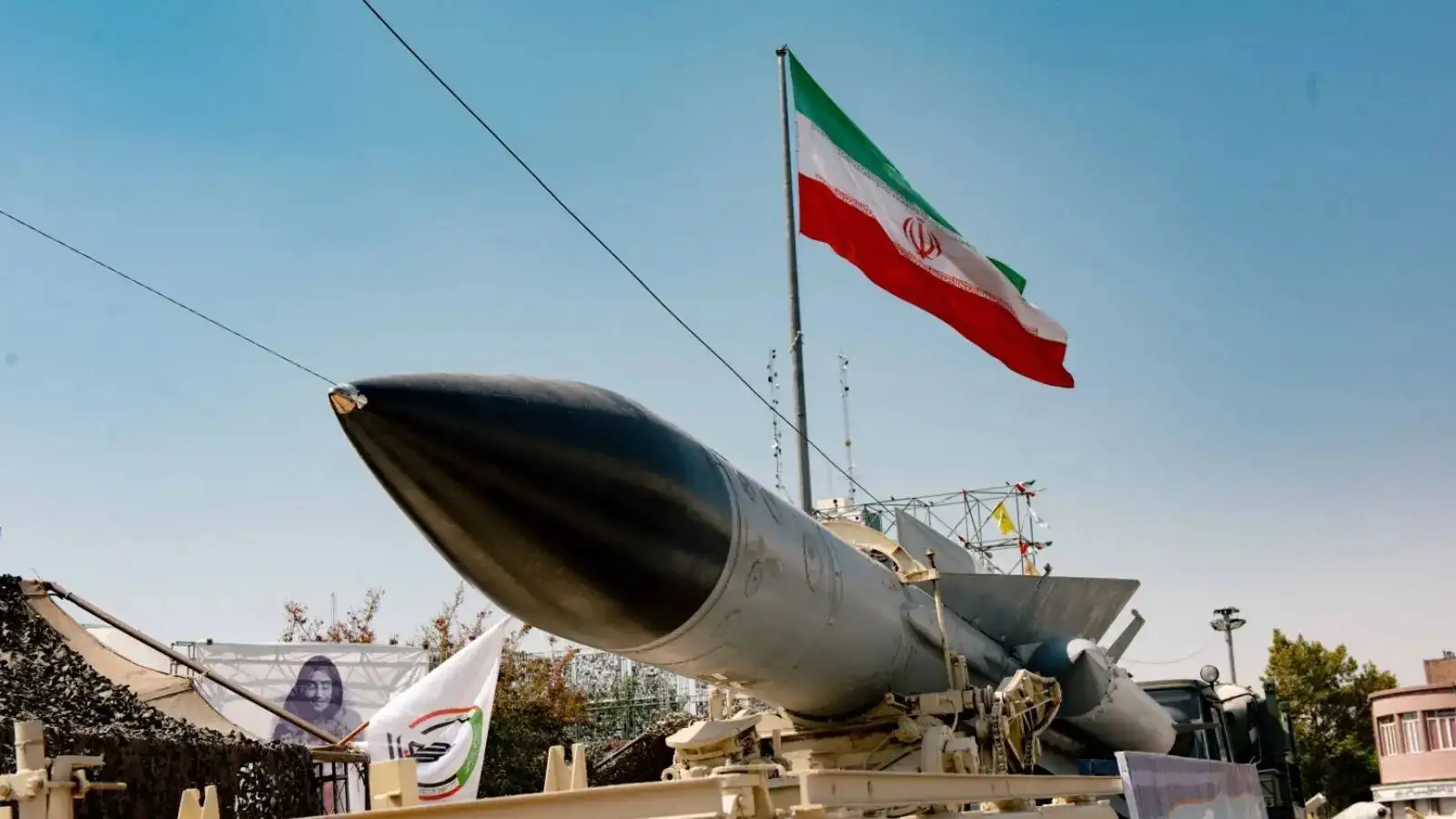
The immediate trigger for the latest escalation appears to be Iran’s repeated drone attacks on U.S. and allied forces in the region. As Live Hindustan reported, Iran’s Islamic Revolutionary Guard Corps (IRGC) launched a retaliatory strike on a U.S. military base in Kuwait, injuring American personnel and damaging high-tech Reaper drones. The IRGC described the attack as a response to “aggressive U.S. strikes,” while U.S. officials confirmed that Iran had also fired a Fateh-110 ballistic missile at the base, though Kuwaiti air defenses intercepted it before it caused major damage.
A New Military Threat: Iran’s Air Defense System
Iran’s ability to counter U.S. drone operations has become a critical flashpoint. In a move that signals a potential shift in the balance of power, Iran claimed to have used a newly developed air defense system—dubbed “Arash-e-Kamangir”—to shoot down a U.S. MQ-9 Reaper drone near the Strait of Hormuz. While Navbharat Times noted that independent verification of the system’s effectiveness is lacking, the IRGC’s announcement suggests Iran is rapidly advancing its defensive capabilities. This development could force the U.S. to reconsider its drone-heavy strategy, particularly if Iran’s new system proves capable of neutralizing American surveillance and strike assets.
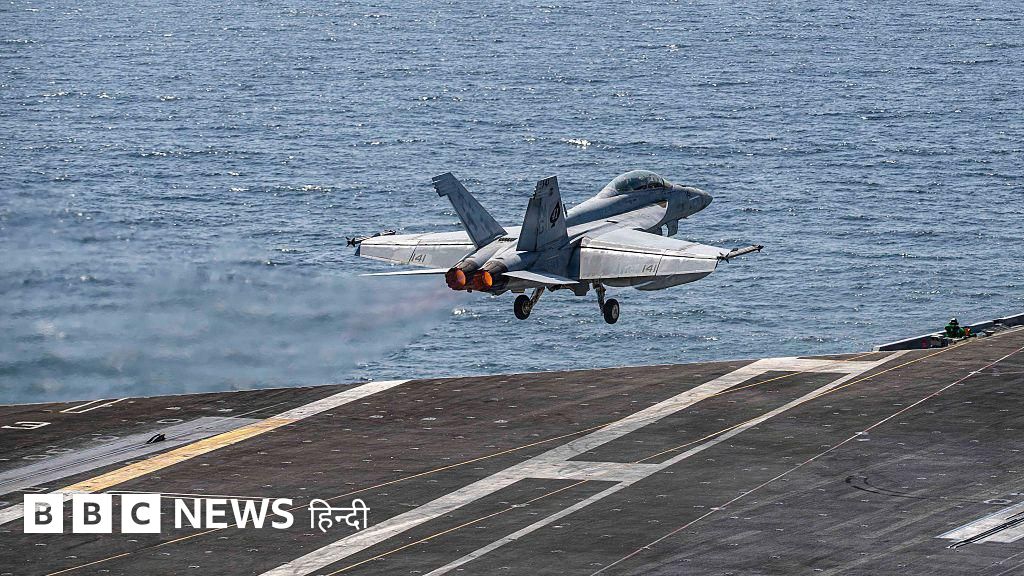
The timing of Iran’s demonstration is telling. The U.S. has been conducting near-daily airstrikes in the region, targeting Iranian military sites, drone manufacturing facilities, and what it calls “proxy forces” supporting Iran in Iraq and Syria. However, Iran’s ability to absorb these strikes—while simultaneously developing countermeasures—has complicated Washington’s efforts to degrade Iran’s military posture. Analysts warn that if Iran’s new air defense system is as effective as claimed, it could embolden Tehran to escalate further, knowing it can now defend against U.S. drone operations with greater confidence.
For more on this story, see U.S. strikes Iranian drone bases after Strait of Hormuz intercepts.
Naval Blockade and Economic Warfare
The conflict has also spilled into the maritime domain, with the U.S. enforcing a de facto blockade in the Strait of Hormuz. According to Amar Ujala, U.S. forces have intercepted at least five commercial ships bound for Iranian ports since April 17, using Hellfire missiles to disable vessels that refused to comply with American demands. The blockade has already disrupted global shipping lanes, with 116 other vessels rerouted to avoid the region. The economic fallout is beginning to ripple through global energy markets, as the Strait of Hormuz remains a critical chokepoint for oil tankers.
The blockade is part of a broader U.S. strategy to strangle Iran’s economy by cutting off its access to critical supplies, including advanced electronics and dual-use technologies. However, the move has drawn sharp criticism from international partners, who warn that it risks triggering a broader conflict. The UN Security Council has not yet addressed the blockade, but diplomats in private briefings have expressed concern that the U.S. actions could be seen as an act of war under international law. Meanwhile, Iran has responded by threatening to close the Strait of Hormuz entirely, which would send oil prices soaring and trigger a global energy crisis.
The Pentagon’s Warning: “We Are Ready to Strike Again”
Amid the escalating tensions, U.S. Defense Secretary Lloyd Austin—referred to in some reports as “Pete Hegseth” (a likely misattribution; the correct name is Lloyd Austin, though the source incorrectly names him)—has issued a stark warning. Speaking at the Shangri-La Dialogue in Singapore, Austin emphasized that the U.S. is prepared to launch further strikes if Iran does not agree to a final deal. While the exact wording of Austin’s remarks is unclear from the available sources, the broader message aligns with a pattern of American threats aimed at pressuring Iran into negotiations.

This follows our earlier report, US-Iran Tensions Escalate in Hormuz Amid Military Strikes and Truce Talks.
The Pentagon’s stance reflects a growing frustration within the Biden administration over Iran’s refusal to engage in serious ceasefire talks. With midterm elections looming in the U.S., some officials fear that a prolonged conflict could undermine President Biden’s reelection prospects, particularly if public opinion turns against another Middle East war. However, hardliners in both the U.S. and Iran appear unwilling to compromise, making a diplomatic resolution increasingly difficult.
What Comes Next: Three Scenarios for the Conflict
The next 30 days will be critical in determining whether the conflict spirals into a full-scale war or de-escalates through diplomacy.
- Diplomatic Breakthrough: If Iran and the U.S. can agree to a formal ceasefire—perhaps with the help of regional mediators like China or Russia—the immediate risk of escalation could diminish. However, past attempts at negotiations have collapsed over disputes about who should withdraw first and whether Iran’s missile program will be subject to restrictions.
- Limited Escalation: Both sides could continue their current strategy of targeted strikes, avoiding a direct confrontation while maintaining pressure on the other. This scenario would likely prolong the conflict without causing a major regional war, but it risks entrenching a cycle of retaliation that could flare up unpredictably.
- Full-Scale War: If either side miscalculates—a U.S. strike on a high-value Iranian target, an Iranian attack on a U.S. carrier, or a closure of the Strait of Hormuz—the conflict could spiral into a broader war involving Israel, Saudi Arabia, and potentially other regional actors. The economic and humanitarian consequences would be catastrophic, with global oil prices potentially doubling and supply chains collapsing.
For now, the most likely outcome remains a continuation of the current stalemate, with both sides probing for weaknesses while avoiding direct confrontation. However, the window for de-escalation is narrowing. The U.S. blockade, Iran’s new air defense system, and the growing risk of miscalculation all suggest that the situation is more volatile than ever.
The world is watching closely. The next move could come from Tehran—or from Washington. Either way, the stakes have never been higher.
