
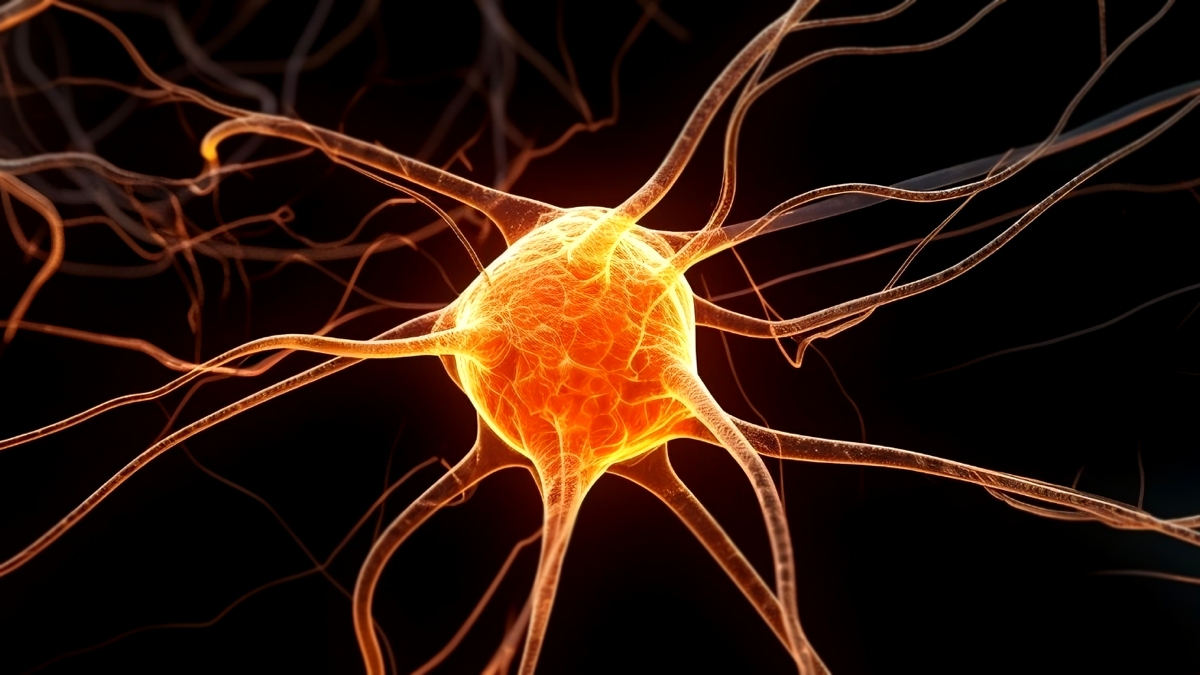
New Neuron Connections Discovered, Linked to Alzheimer’s Disease
Scientists have identified a previously unknown form of direct connection between neurons in both mouse and human brains, revealing a potential new pathway for the spread of neurodegenerative diseases like Alzheimer’s.
Researchers, led by neuroscientist Minhyeok Chang at Johns Hopkins University, observed tiny tubular bridges – dubbed dendritic nanotubes (DNTs) – forming between neurons in laboratory cultures. Further investigation using mouse models of Alzheimer’s disease showed these bridges actively transporting calcium and molecules associated with the disease directly from cell to cell. The team detailed in their paper, published today, that these structures can carry materials ranging in size from ions to mitochondria.
The study demonstrated that these nanotubes act as conduits for amyloid-beta molecules, a key component of the plaques found in the brains of Alzheimer’s patients. When the formation of these bridges was blocked, the spread of amyloid-beta between cells was also halted. “Our computational model supported these findings, predicting that overactivation in the nanotube network could accelerate the toxic accumulation of amyloid in specific neurons, thereby providing a mechanistic link between nanotube alterations and the progression of Alzheimer’s pathology,” researchers explained. Understanding how these molecules spread is crucial, as the abnormal clumping of amyloid-beta is a hallmark of Alzheimer’s disease and other forms of dementia; learn more about Alzheimer’s disease from the National Institute on Aging.
While this discovery is in its early stages, and the natural function and frequency of these nanotubes in the human brain remain unknown, the findings suggest a potential new target for therapeutic intervention. Researchers are now focused on understanding what substances these tubes naturally transport and how their malfunction might contribute to other neurological conditions. Further research will be needed to determine if modulating these connections could slow or prevent the progression of neurodegenerative diseases; you can find more information on BrainFacts.org.
Researchers indicated they will continue to investigate the role of these nanotubes in both healthy brain function and disease progression.
