
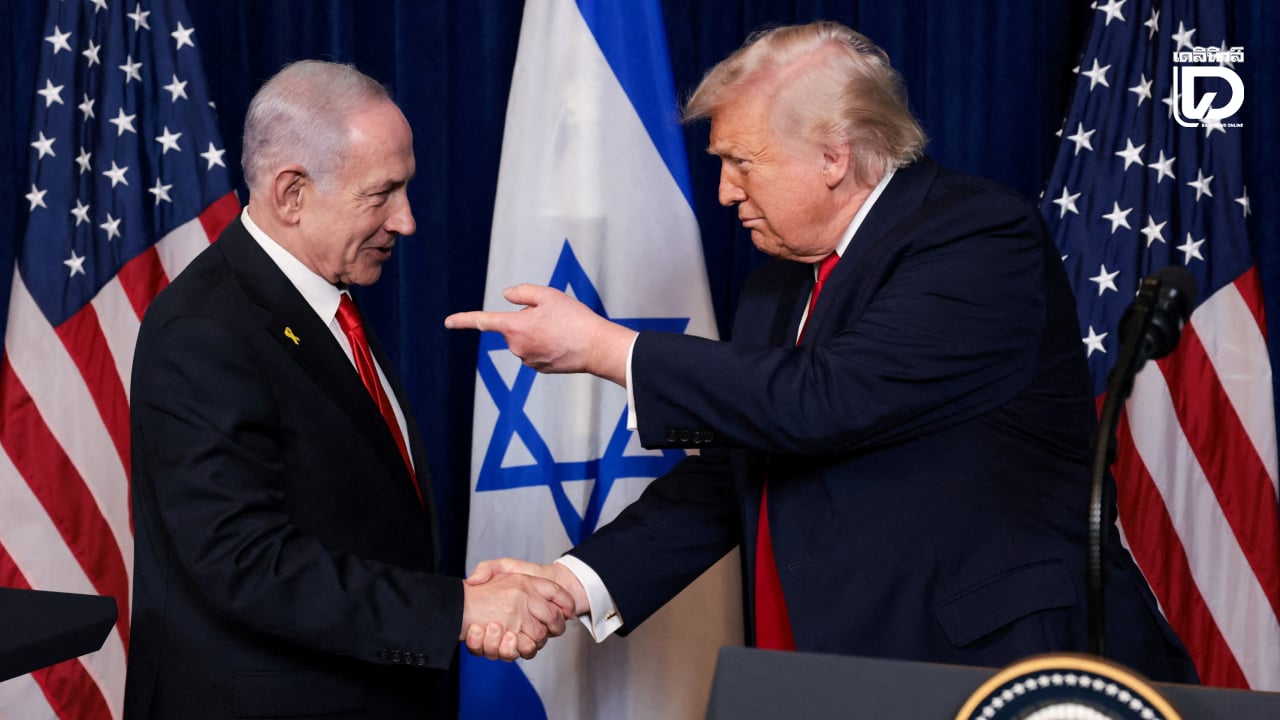
U.S. President Donald Trump warned Israeli Prime Minister Benjamin Netanyahu against retaliating against Iran, emphasizing that Washington, not Israel, dictates the terms of negotiations with Tehran, as tensions escalated in the Middle East with Israeli airstrikes in Lebanon killing at least 10 people, according to multiple reports.
Conflict Escalation: Israeli Airstrikes in Lebanon
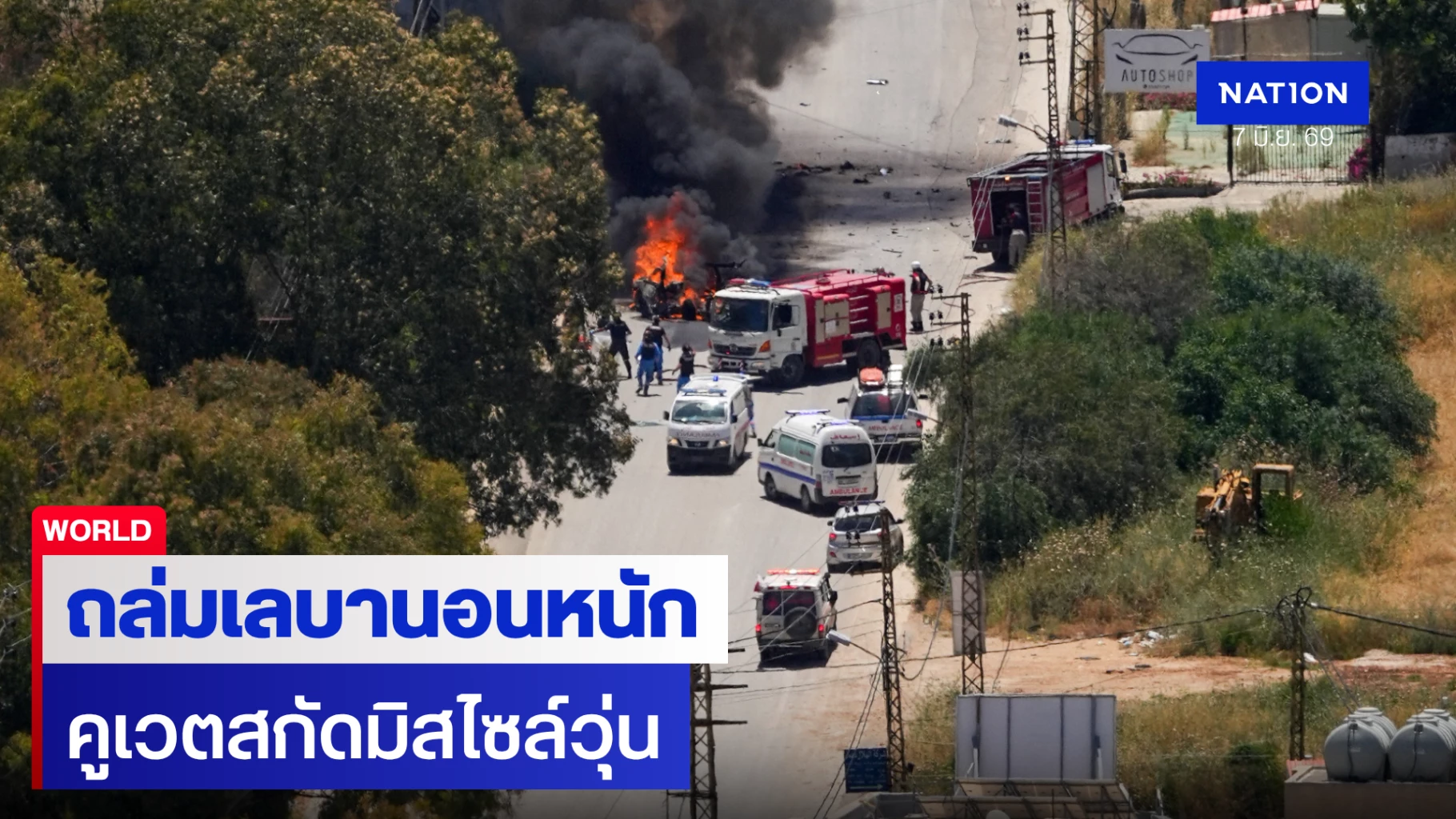
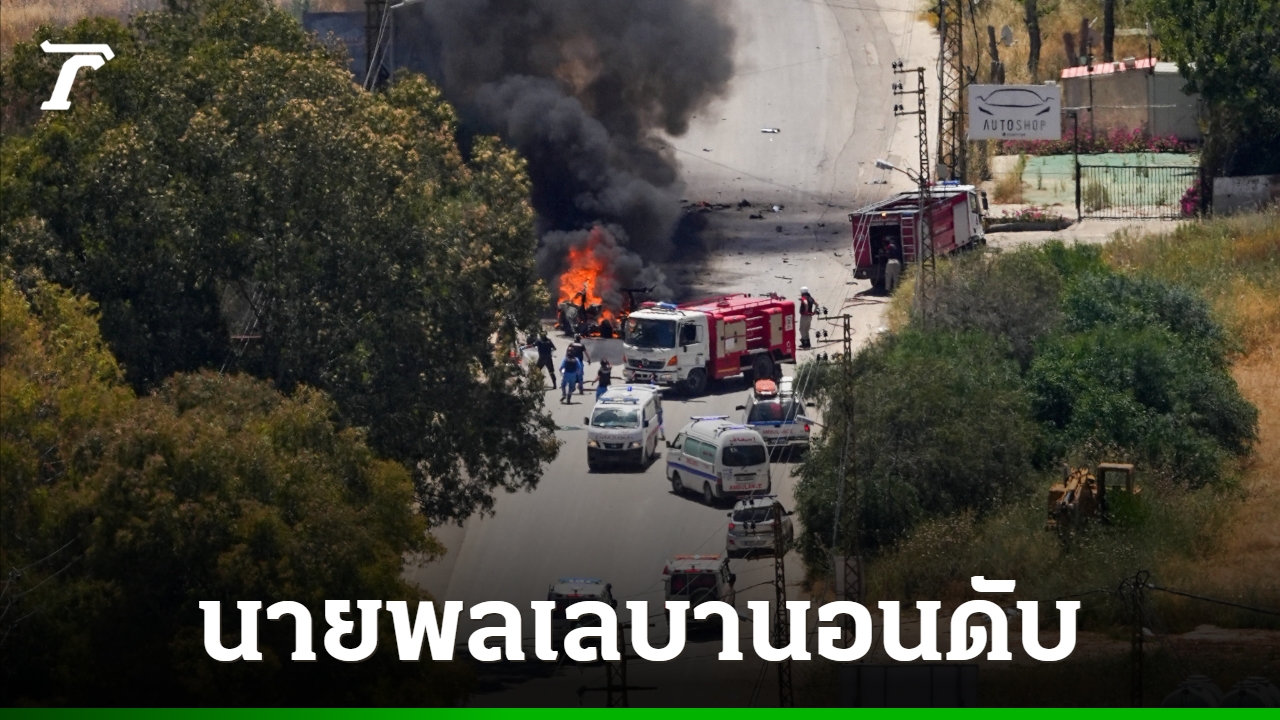
Israeli forces launched airstrikes in southern Lebanon on June 7, 2026, killing at least 10 individuals, including a general, two officers, and several soldiers, according to the Lebanese army. The attack targeted a vehicle suspected of carrying military personnel near Nabatieh, with the Israeli Defense Forces (IDF) stating the vehicle “moved suspiciously” toward their positions. The Lebanese military condemned the strike as “brutal and reckless,” sharing images of a burned-out vehicle on a rural road. A separate airstrike in Tyre, Lebanon, on June 5 killed seven people, violating a ceasefire agreement between Israel and Hezbollah, as reported by Siam Rath. The incident has raised fears of a broader regional conflict, with analysts warning that repeated violations of fragile truces could reignite hostilities.
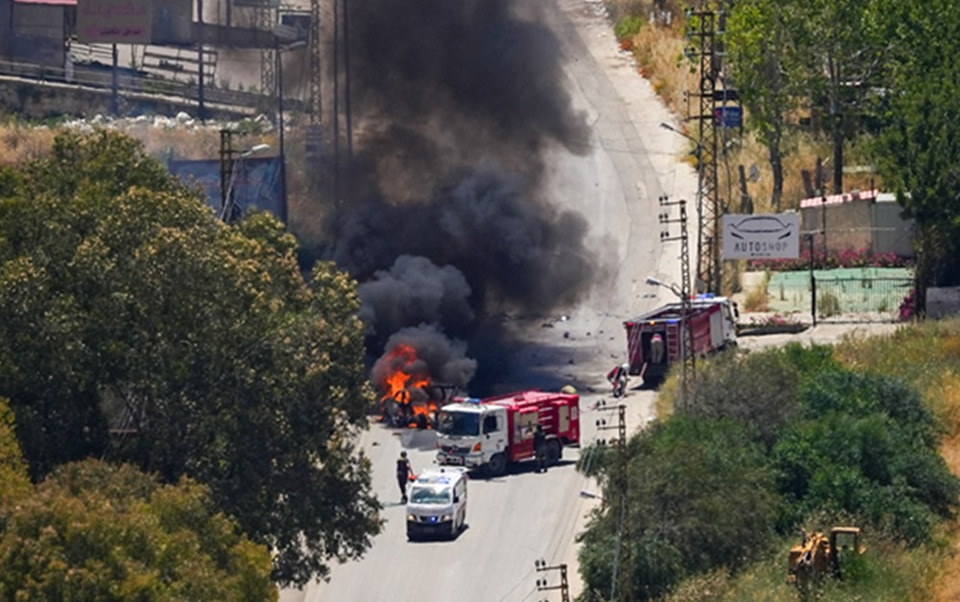
“This attack underscores the fragility of the current ceasefire,” said a security analyst quoted in NationTV. “Without robust enforcement, sporadic violence will continue to erode trust between Israel and Lebanon.”
Trump’s Warning: U.S. as the Sole Negotiator
President Trump, in a series of interviews, urged Netanyahu to avoid military retaliation against Iran, arguing that the U.S. is the only entity capable of brokering a deal with Tehran. “Iran’s missile strikes against Israel didn’t injure anyone, so why escalate? The U.S. is defining the terms of this negotiation,” Trump stated, according to Daily News. He warned that if Israel retaliates, the situation could revert to decades of conflict, citing the 1979 Iranian Revolution as a historical precedent.
Trump’s remarks come amid reports of U.S.-Iran talks nearing a breakthrough, though the White House has not officially confirmed the claims. The president’s emphasis on Washington’s主导 role highlights the complex interplay between U.S. strategic interests and Israel’s security concerns, with some analysts suggesting his stance could pressure Netanyahu to adopt a more restrained approach.
U.S.-Iran Dynamics: Espionage Allegations and Economic Pressure
The U.S. has escalated its scrutiny of Israeli intelligence operations, raising the threat level for espionage activities to “critical” following reports of Israeli agents allegedly intercepting sensitive White House communications. A U.S. defense official told NationTV that the Defense Intelligence Agency (DIA) is investigating “aggressive tactics” by Israeli operatives aimed at uncovering U.S. plans for a potential Israel-Iran peace agreement. This has strained the U.S.-Israel alliance, with some lawmakers criticizing the administration for not addressing the breaches more forcefully.
Simultaneously, the U.S. is considering a plan to redirect frozen Iranian assets to fund reconstruction in the Persian Gulf, as outlined in NationTV. Treasury Secretary Scott Bessent is evaluating the proposal, which would use funds held in global accounts to aid Gulf states affected by Iranian attacks. This move reflects growing U.S. pressure on Iran, even as Trump’s calls for diplomacy persist.
Regional Implications: A Fragile Balance
The recent attacks and diplomatic posturing highlight the precarious balance in the Middle East. While Trump seeks to position the U.S. as the central mediator, the Israeli military’s actions in Lebanon suggest a continued reliance on force. The Lebanese army’s accusations of Israeli aggression, coupled with Hezbollah’s ongoing clashes with Israel, risk drawing the U.S. into a more direct conflict. Analysts note that Trump’s rhetoric may not translate into immediate policy changes, given the Biden administration’s broader regional strategy.
“Trump’s warnings are symbolic, but Israel’s military apparatus operates independently,” said a Middle East expert quoted in Thairath. “The real test will be whether Netanyahu can curb his generals’ actions without destabilizing the region further.”
As the U.S. navigates its dual role as mediator and military ally, the coming weeks will determine whether the current tensions spiral into a full-scale conflict or pave the way for a negotiated settlement. For now, the region remains on edge, with every airstrike and diplomatic statement carrying the weight of history.
