
The detrimental effects of tobacco consumption on human health are well established, and research continues to reveal new and concerning consequences. A recent study conducted by researchers at the University of Leicester, published in the journal Science Advances, has uncovered a surprising discovery: tobacco leaves chemical traces in human bones, even centuries after death.
The research team analyzed the bones of 323 individuals, categorized into two groups: those who lived before the introduction of tobacco to Europe (1150-1500) and those who lived after, between the 16th and 19th centuries. This finding represents a significant advancement in forensic science and archaeological analysis, offering a new way to understand historical consumption patterns.
Metabolic Imprints of Tobacco in Bone
By studying the cortical bone – the dense tissue forming the outer layer of bones – researchers identified notable differences between the skeletons of individuals who had no access to tobacco and those who consumed it after its introduction. This opens up new avenues for understanding the long-term physiological impacts of tobacco use.
Lire l’article
Traditionally, identifying smokers has relied on examining teeth for distinctive marks left by inexpensive pipes or dark stains caused by regular tobacco use. However, for the first time, scientists were able to identify smokers even without these dental indicators, solely based on chemical modifications observed in their bones. This breakthrough offers a new method for historical analysis and understanding of tobacco consumption.
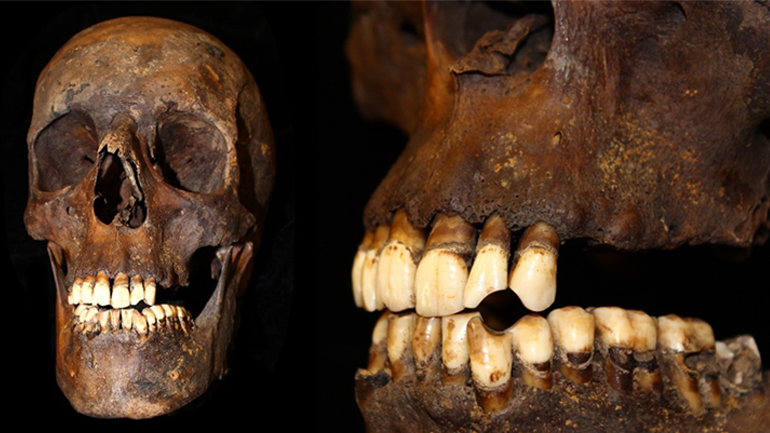
“Our research shows that there are significant differences in the molecular characteristics contained in the bones of ancient smokers and non-smokers,” explained Dr. Sarah Inskip, co-author of the study. The ability to detect past tobacco use through skeletal remains has implications for archaeological research and public health understanding.
A New Tool for Archaeology
These discoveries open new perspectives for archaeologists. It now allows for the identification of tobacco consumption solely from skeletal remains, even in the absence of teeth or other visible signs. Chemical analysis of bones could become an essential tool for tracing the social and health practices of ancient populations. The technique could be applied to other substances as well, potentially revolutionizing the field of bioarchaeology.
Lire l’article 
The study also revealed an unexpected finding: the presence of many women and adolescents among the smokers of the time. Consumption habits of this plant were therefore not limited to adult men, as one might assume. This challenges previous assumptions about the demographics of tobacco use in past societies.
