
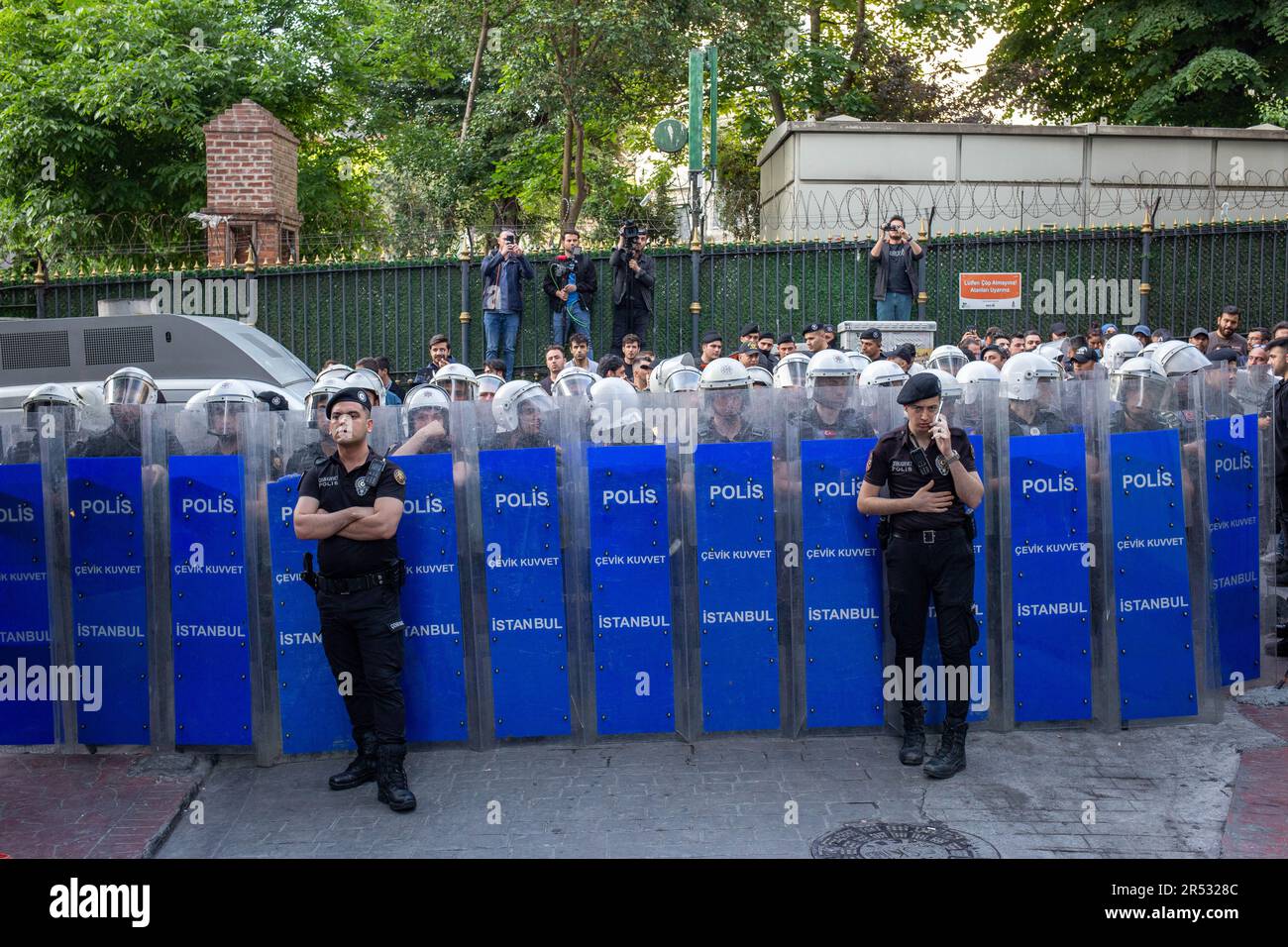
Citizens in Taksim, Istanbul, gathered on May 31, 2026, for the 13th annual commemoration of the 2013 Gezi Park protests, according to multiple reports. Police imposed a cordon around the area, citing public safety concerns.
Context of the Gezi Park Protests
The 2013 Gezi Park protests began as a grassroots movement against government plans to redevelop Taksim’s central park but evolved into broader demonstrations against policies perceived as authoritarian. The unrest lasted over two months, drawing international attention and leaving a lasting impact on Turkey’s political landscape.
Recent analyses by the Istanbul-based Center for Urban Studies note that the 2026 commemoration occurred amid ongoing debates about urban development and civil liberties. “The Gezi protests remain a symbol of resistance for many, but the government has consistently framed such gatherings as threats to stability,” said Dr. Elif Yılmaz, a political analyst at Boğaziçi University.
Recent Developments in Taksim
On May 31, 2026, demonstrators gathered near İstiklal Avenue, a historic thoroughfare in Taksim, to mark the anniversary. Local media reported that police established a perimeter around the area, restricting access to certain streets. No arrests were immediately confirmed, though footage shared on social platforms showed officers monitoring the crowd.
A statement from the Istanbul Police Department cited “the need to prevent potential disruptions to public order” as the rationale for the cordon. The department did not provide further details on the scale of the operation or the number of officers deployed.
Public and Official Responses
Organizers of the 2026 event emphasized the demonstration’s focus on “peaceful remembrance” rather than confrontation. A flyer distributed at the site stated, We come to honor the voices of those who stood up for their rights, and to reaffirm our commitment to democratic values.
The document bore the logo of a civil society group, though its full name was not disclosed in verified sources.
Government officials declined to comment directly on the commemoration. However, a press release from the Ministry of Interior reiterated its stance on “unauthorized gatherings,” stating, Any activity that undermines public safety or violates legal frameworks will be addressed in accordance with the law.
The statement did not reference the 2026 event explicitly.
Legal and Political Implications
The 2013 protests led to significant legal repercussions, including the prosecution of activists and journalists. A 2024 report by the European Union’s Fundamental Rights Agency noted that Turkey’s judiciary has continued to scrutinize dissenting voices, though the extent of this oversight remains contentious.
.jpg "Gezi Parkı 13. yıl anma fotoğrafları")
Legal experts suggest that the 2026 commemoration could test the boundaries of free assembly under current Turkish law. “The government’s approach to such events reflects a broader pattern of managing public dissent through procedural restrictions,” said Murat Karayılan, a constitutional law professor at Marmara University.
Protesters, however, argue that the cordon was an overreach. “We are not here to provoke. We are here to remember,” one participant told a local broadcaster. The individual, whose name was not verified, added, Every year, the state tries to silence us, but we keep coming.
The 2026 commemoration occurred ahead of local elections in Istanbul, which are expected to draw significant voter attention. Analysts suggest that the government’s handling of the event may influence public sentiment in the lead-up to the vote.
As of May 31, 2026, no official plans for future gatherings have been announced. However, civil society groups have indicated they will continue to advocate for the right to assemble, citing international human rights standards. “This is not just about the past,” said a representative from a Istanbul-based NGO.
