
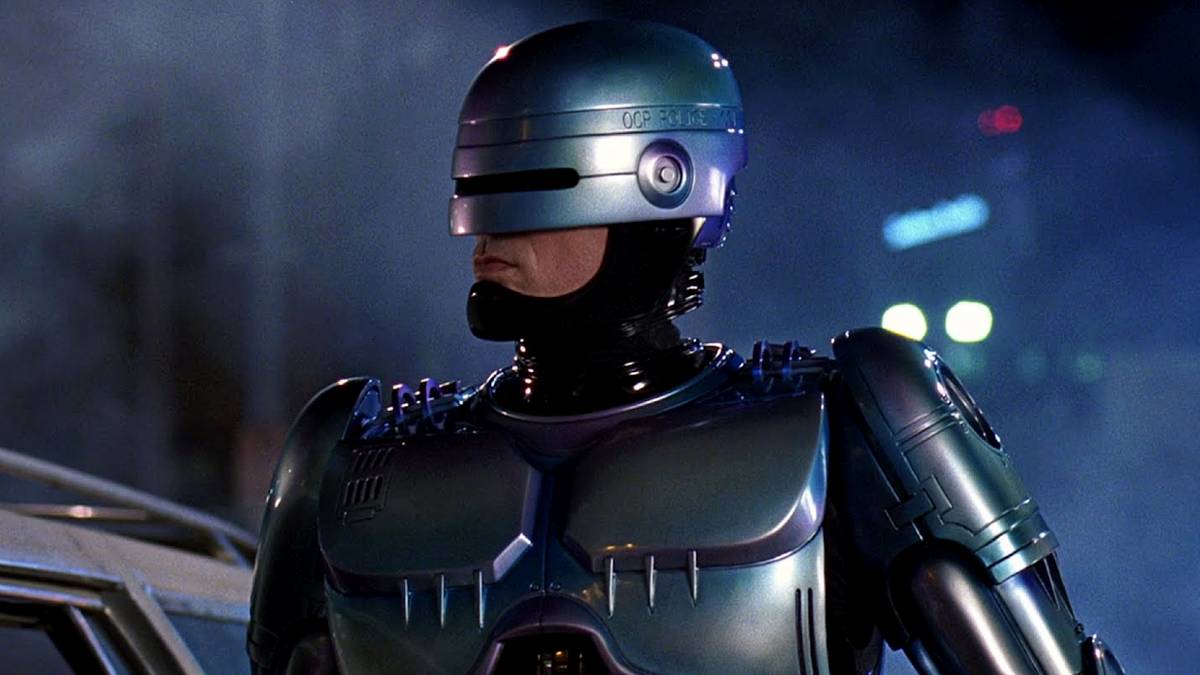
1980s Sci-Fi Films Continue to Influence Modern Cinema
A wave of groundbreaking science fiction films released throughout the 1980s not only captivated audiences but also laid the foundation for many of the genre’s tropes and themes still prevalent in modern cinema today.
The decade began with 1980’s The Empire Strikes Back, widely considered the strongest film in the original Star Wars trilogy. Building upon the success of 1977’s A New Hope, the sequel deepened the saga’s mythology and delivered a shocking plot twist with Darth Vader’s revelation to Luke Skywalker. This film cemented the franchise’s place in cinematic history and continues to inspire filmmakers.
The 1980s also saw the rise of body horror with David Cronenberg’s 1981 film, Scanners, and the emergence of dystopian futures explored in Ridley Scott’s 1982 masterpiece, Blade Runner. Blade Runner, adapted from Philip K. Dick’s novel, questioned the nature of humanity and artificial intelligence, themes that remain central to science fiction. James Cameron also made his mark with 1984’s The Terminator, launching a major franchise and introducing audiences to the anxieties surrounding artificial intelligence. For a deeper dive into the history of science fiction, explore resources at the Smithsonian Magazine.
The decade concluded with films like 1987’s RoboCop, a satirical take on corporate greed and law enforcement, and 1988’s groundbreaking anime film, Akira, which introduced a new visual style and storytelling approach to Western audiences. These films, alongside others like 1985’s Back to the Future and 1986’s Aliens, demonstrate the breadth and innovation of science fiction during this period. You can find more information about the impact of 80s sci-fi on modern filmmaking here.
Officials say the enduring popularity of these films continues to drive interest in the science fiction genre and inspire new generations of filmmakers and storytellers.
