
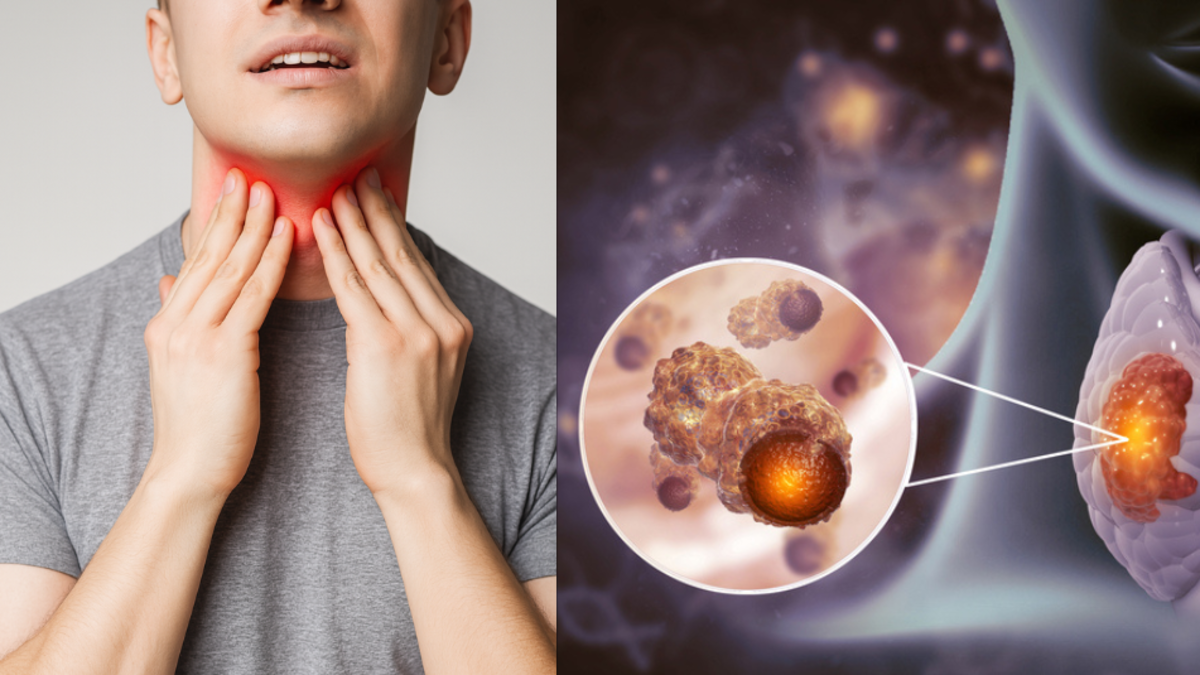
Worldwide rates of thyroid cancer are rising at a concerning pace, exceeding increases seen in many other cancer types. This surge is prompting a deeper inquiry into potential causes, ranging from environmental factors to advancements in detection methods, as highlighted in a new report. Researchers are now analyzing data to understand the reasons behind this trend and improve outcomes for patients facing this increasingly common diagnosis.
Thyroid cancer diagnoses are steadily increasing worldwide, with rates rising faster than those of many other cancer types. This trend is prompting researchers to investigate potential causes and improve early detection methods, as thyroid cancer can significantly impact a person’s health and well-being.
In the United States, the incidence of thyroid cancer tripled between 1980 and 2016, according to data from the SEER database. This surge has led investigators and clinicians to examine contributing factors, including advancements in diagnostic techniques, metabolic shifts, increased exposure to medical radiation, and environmental changes.
READ ALSO
Recent studies, as reported by BBC News, suggest that overdiagnosis alone doesn’t fully explain the increase. Research indicates rising rates of both small and advanced, metastatic tumors.
A California-based study analyzing data from more than 69,000 patients between 2000 and 2017 found that both the number of cases and deaths increased, regardless of tumor size.
It is important to consult a doctor immediately if you notice any changes in your body. Photo:iStock
Another study revealed increases in metastatic papillary cancers and an annual mortality growth rate of 1.1%.
Sanziana Roman, an endocrine surgeon at UCSF, told the British news outlet that the increase is observed even in regions without comprehensive screening programs. This suggests a genuine rise in incidence, as more larger and advanced tumors are being detected.
READ ALSO

Childhood Radiation Exposure and Lessons from Nuclear Disasters
The link between exposure to ionizing radiation in childhood and thyroid cancer is well-established. Following the 1986 Chernobyl accident, rates of thyroid cancer surged among children in Belarus, Ukraine, and Russia. This highlights the vulnerability of developing tissues to radiation’s effects.
Similarly, a study attributed approximately 36% of cases in Japanese survivors of the atomic bomb, dating back to 1958, to childhood exposure.
Globally increasing rates of obesity have also been linked to thyroid cancer risk. Analyses of study cohorts indicate that individuals with a high Body Mass Index (BMI) have more than a 50% increased likelihood of developing the disease. The underlying mechanisms are still being investigated, but researchers are exploring chronic inflammation, insulin resistance, and hormonal alterations, such as changes in TSH levels, as potential pathways.
Hormone-Disrupting Chemicals
Research into endocrine-disrupting chemicals found in everyday products, such as perfluorooctanoic acid (PFOA) and perfluorooctanesulfonic acid (PFOS) – linked to cookware, food packaging, cosmetics, carpets, and firefighting foam – suggests these substances can interfere with hormonal function. While the evidence of a direct link to thyroid cancer is currently inconclusive, the hypothesis remains under study.
READ ALSO

Some island nations report high rates of thyroid cancer. Certain trace elements present in volcanic areas, such as zinc, cadmium, or vanadium, could potentially play a role, though currently, no studies support these hypotheses.
JOS GUERRERO
REDACCIÓN ALCANCE DIGITAL
