
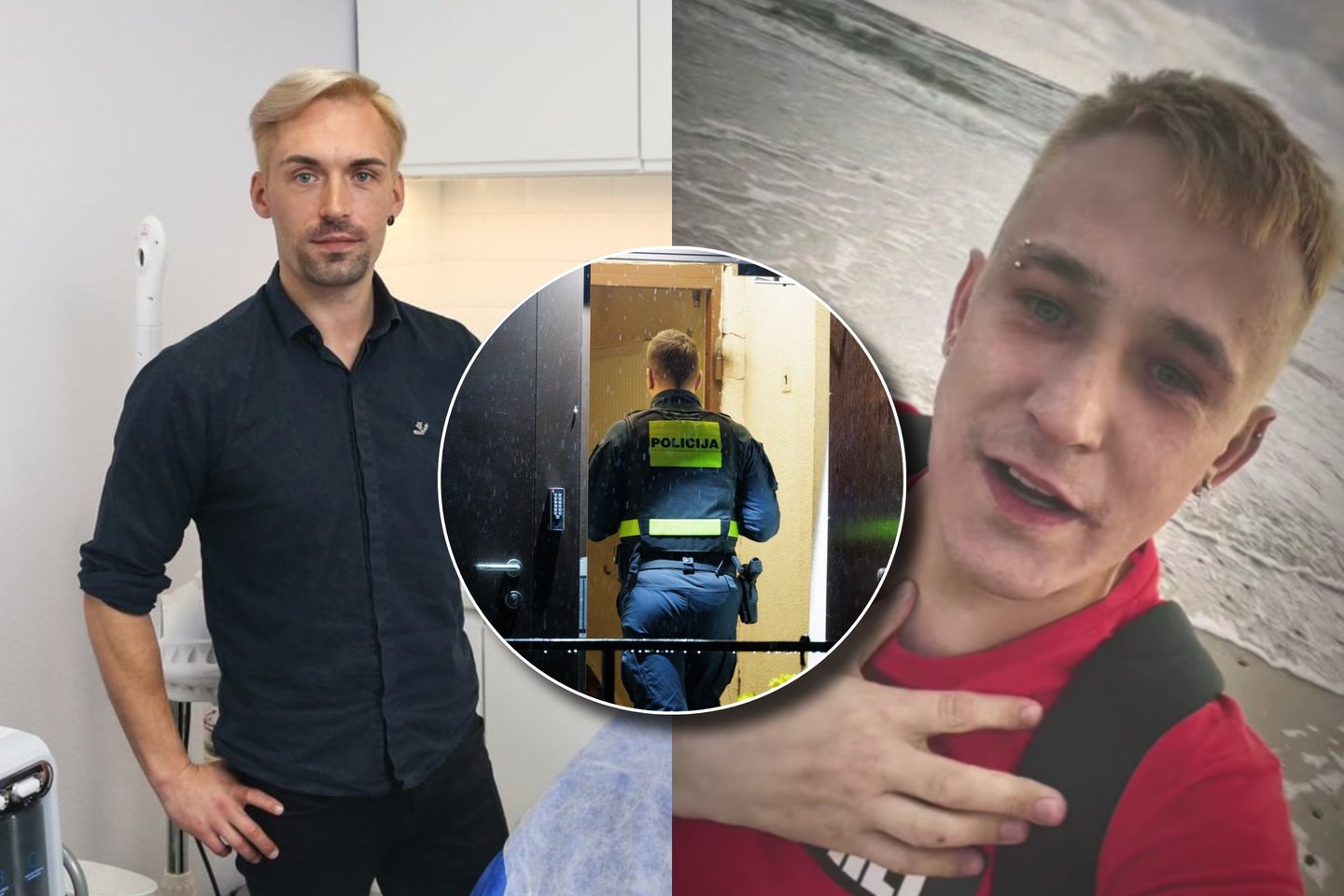
The stabbing death of Nerijus Ambajevas, a Lithuanian TikTok personality and former teacher, has ignited a national conversation about online safety and social media accountability. Vilnius police arrested two men, including Ambajevas’ partner, following the November 14th incident, which occurred after reports of a knife attack. Amidst widespread grief and scrutiny of online narratives surrounding the tragedy, a public figure is now calling for increased censorship and moderation of harmful content on TikTok, arguing the platform may have contributed to Ambajevas’ death.
A recent death has sparked a debate about the potential dangers of social media and the need for greater content moderation, particularly on TikTok. The case, which unfolded in Vilnius, Lithuania, has drawn attention to the darker side of online platforms and their impact on vulnerable individuals.
On November 14, Vilnius police arrested two men in connection with the death of Nerijus Ambajevas, a man who gained popularity on TikTok. One of those arrested was identified as Paulius Gaižauskas, Ambajevas’ partner, according to reports.
Žydrūnas Lymantas, the founder of the “Cult of Beauty” salon and someone who knew Ambajevas well, has spoken out about the circumstances surrounding his death, challenging narratives circulating online. Lymantas believes social media, specifically TikTok, may have contributed to the tragic outcome.
“Today I sent this letter to the Human Rights Committee. My goal is to initiate a petition regarding censorship of TikTok content,” Lymantas stated. “We can do this while emotions are still running high in society. This may protect more than one life.”
Lymantas has garnered significant public support in the wake of the incident and the ensuing discussions about harmful content spreading on social networks. He argues that unchecked and poorly moderated content can lead to dangerous behaviors, emotional distress, and risks to public safety.
“Social networks, especially TikTok, are currently one of the main platforms for information dissemination among young people,” Lymantas explained. “The spread of uncontrolled and insufficiently moderated harmful content can contribute to the formation of dangerous behavioral patterns, increased emotional stress, and risks to public safety.”
In his letter to the Human Rights Committee, Lymantas requested consideration of several key points, including a dialogue with TikTok’s regional representatives regarding content control, initiatives to strengthen the identification and restriction of harmful content, and the development of national guidelines to ensure greater accountability for social networks.
“The purpose of the petition is to draw attention to the problem of harmful content on social networks (especially TikTok) and to encourage responsible institutions to seek solutions to manage it,” he said.
Lymantas believes the tragedy underscores the dangers lurking within social media platforms, dangers that must be addressed. “Recent events, including the shocking tragedy of N. Ambajevas, have once again shown that the digital space can have real consequences for people’s emotions, behavior, and safety,” he stated.
“Social networks easily spread content that incites violence, hatred, or conflict; provides a platform for destructive or manipulative communication; and affects vulnerable groups in society, especially young people.”
The petition aims to encourage greater responsibility from social media platforms, stronger moderation of harmful content, and a national discussion on how to ensure a safer information environment, according to Lymantas.
Police were alerted to the incident on November 14 at 5:22 p.m. local time when paramedics reported responding to a man injured with a knife. Upon arrival, medical personnel were unable to save the man, who was born in 1993. The case highlights the growing concerns surrounding online safety and the potential for real-world violence stemming from online interactions.
