
Trump and Xi Convene in Beijing for High-Stakes Summit Amid Global Power Shift
President Donald Trump and Chinese leader Xi Jinping began a critical state visit in Beijing on May 14, 2026, marking the U.S. President’s first return to China in nine years. The summit, which opened with formal diplomatic optics including cannon salutes and a handshake, arrives at a period of significant geopolitical friction and tempered expectations in the Chinese capital.
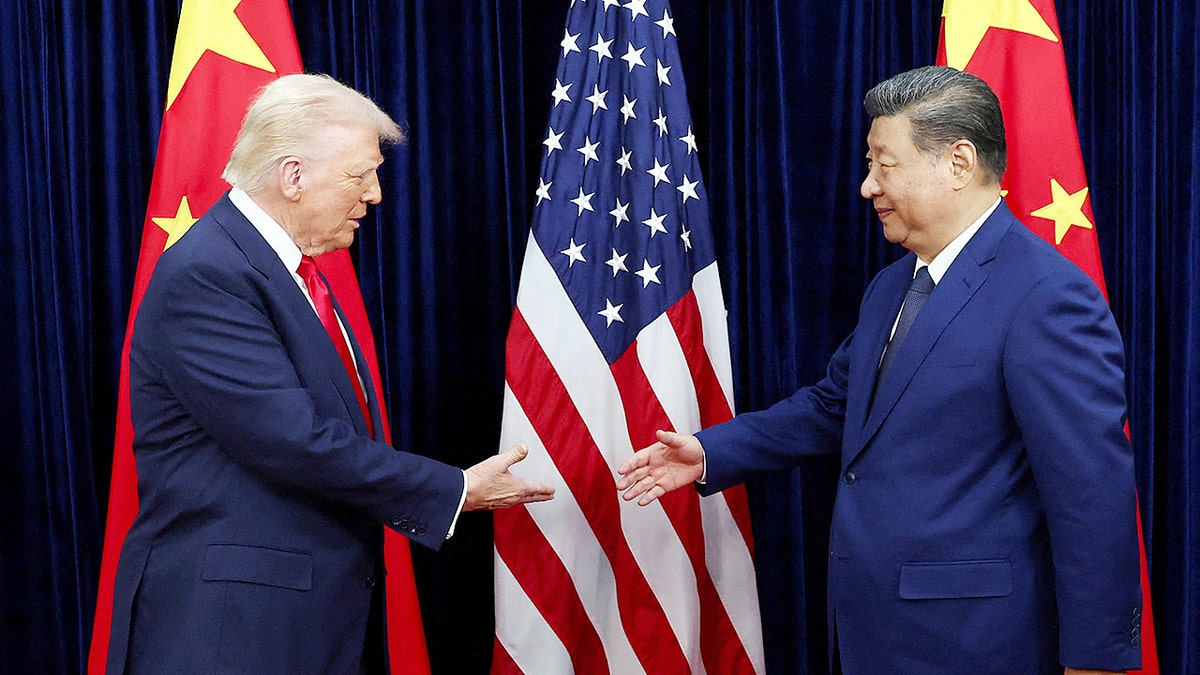
The initial meeting set a tone of strategic necessity, with leadership emphasizing a move away from confrontation. During the opening proceedings, it was noted that the two nations “must be partners, not rivals,” a sentiment that underscores the desire to stabilize the relationship despite deep-seated disagreements.
From a business and policy perspective, the agenda is dominated by three primary pillars: international trade, the status of Taiwan, and the broader distribution of global influence. The discussions reflect a world in transition, as the United States continues to assert its dominance over the Western Hemisphere while China aggressively expands its strategic and economic footprint across Africa.
Market observers note that the nine-year gap since Trump’s last visit to China adds a layer of complexity to the proceedings. While the formal ceremonies suggest a willingness to engage, reports indicate that expectations within Beijing remain low, suggesting that substantive breakthroughs on trade and territorial disputes may be difficult to achieve.
The outcome of this summit is expected to have significant implications for global market stability, as the two largest economies attempt to navigate a “new world order” defined by competing spheres of influence. The focus on Taiwan, in particular, remains a central point of contention that could dictate the trajectory of U.S.-China relations for the foreseeable future.
