

President Donald Trump has tapped Bill Pulte, the director of the Federal Housing Finance Agency, to serve as acting director of national intelligence—a move that has sparked fierce partisan battles over qualifications, political loyalty, and the future of America’s spy agencies.
The Unlikely Pick: Who Is Bill Pulte?
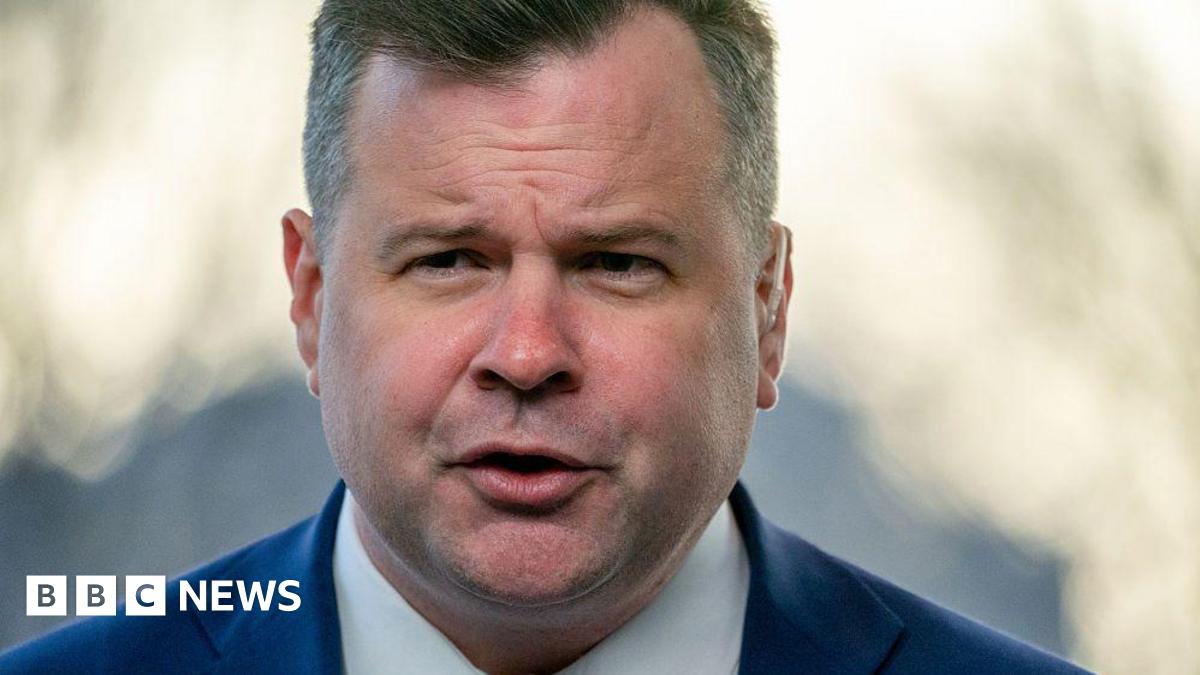
Bill Pulte, a Trump loyalist with no prior national security experience, was announced Tuesday as the president’s choice to replace Tulsi Gabbard, who resigned as director of national intelligence (DNI) due to her husband’s cancer diagnosis. Trump praised Pulte’s tenure at the Federal Housing Finance Agency (FHFA), where he oversees Fannie Mae and Freddie Mac—the government-sponsored mortgage giants managing over $10 trillion in assets. According to the BBC, Trump framed Pulte’s appointment as a testament to his ability to handle “the most sensitive matters in America,” though critics argue his background in housing finance offers little relevance to intelligence oversight.
Pulte’s selection is not just a surprise—it’s a provocation. His tenure at FHFA has been marked by aggressive investigations into political adversaries, including criminal probes targeting New York Attorney General Letitia James, California Senator Adam Schiff, and Federal Reserve Governor Lisa Cook. None of these cases have succeeded, but the BBC reports that the Government Accountability Office is now scrutinizing whether Pulte’s agency has altered its investigative practices to serve partisan ends. Schiff, a vocal critic of Trump, called Pulte’s appointment “a weaponization of intelligence” on social media, warning that the same tactics used at FHFA would now extend to the nation’s spy agencies.
Senate Resistance: McConnell Draws a Line
Mitch McConnell, the Senate Republican leader, has made it clear: Bill Pulte will not become the next permanent DNI. In a statement Wednesday, McConnell—who previously blocked Gabbard’s confirmation over “alarming lapses of judgment”—drew a hard line, declaring that “very few Senate-confirmable positions come with statutory eligibility requirements,” and the DNI role is one of them. “Anyone performing this role of such immense public trust must have the extensive national security experience required by statute,” he said, the Guardian reports. McConnell’s stance reflects a rare moment of bipartisan agreement: Democrats and a growing number of Republicans see Pulte’s nomination as a political stunt, not a serious bid for the nation’s top intelligence post.
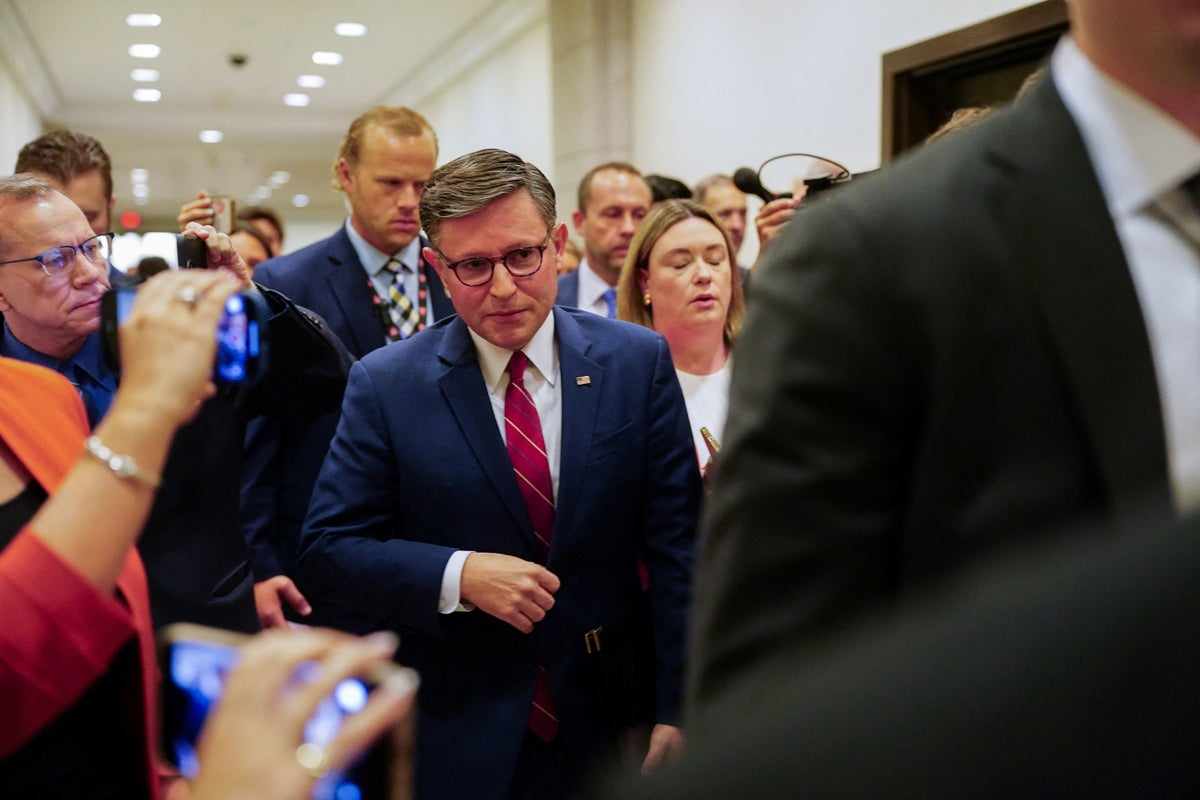
The timing is critical. Acting DNI appointments are limited to 210 days before requiring Senate confirmation. Pulte’s term would expire in late January 2027—just months before the next presidential election. If Trump loses, Pulte’s tenure ends; if he wins, the Senate could face a confirmation battle over a nominee with no intelligence background. The Guardian notes that McConnell’s opposition could force Trump to either withdraw Pulte’s name or risk a prolonged vacancy—a scenario that would weaken U.S. intelligence coordination at a time of heightened global tensions.
The Political War: Why Pulte’s Appointment Is a Lightning Rod
Pulte’s nomination is less about qualifications and more about retribution. Since taking over FHFA in 2024, he has pursued investigations into Trump’s political enemies with a zeal that has alarmed even some Republicans. The BBC details how Pulte’s agency has targeted figures like Schiff, James, and Cook—none of whom have been convicted, but all of whom have been subjected to prolonged scrutiny. Democrats see this as a preview of what’s to come at the DNI office: a weaponized intelligence apparatus used not for national security, but for political warfare.
Senator Mark Warner, the top Democrat on the Senate Intelligence Committee, was blunt: “Rather than selecting a respected national security professional capable of delivering independent judgments, the president has chosen an official who has demonstrated not just willingness but eagerness to use the authorities of government to pursue political retribution.” His warning carries weight. Warner, a former governor of Virginia with deep intelligence ties, has been a consistent voice against politicizing national security roles. The Independent reports that Warner’s skepticism is shared by many in his party, who see Pulte’s nomination as a direct assault on the independence of U.S. intelligence agencies.
Even some Republicans are uneasy. Texas Senator John Cornyn, who recently lost his primary to a Trump-backed challenger, told reporters he “doesn’t see any evidence of his qualifications for that job,” though he added he was “willing to listen.” Cornyn’s caution reflects a broader GOP split: while Trump’s base cheers Pulte as a loyalist, establishment Republicans fear the fallout of confirming someone with no intelligence experience. The BBC notes that Cornyn’s hesitation could signal cracks in Trump’s Senate majority—especially if Pulte’s confirmation becomes a litmus test for loyalty.
The Stakes: What’s at Risk If Pulte Takes the Helm?
The DNI role is not just a bureaucratic post—it is the linchpin of America’s intelligence community. The director oversees 17 agencies, coordinates classified operations, and briefs the president on global threats. Pulte’s lack of experience in this arena is not a minor detail; it’s a structural risk. The Guardian highlights that McConnell’s objection isn’t just about Pulte’s record—it’s about the principle that the DNI must be someone who can command the respect of the CIA, NSA, and FBI. A nominee seen as a political appointee could undermine morale across the intelligence apparatus, particularly if Pulte’s tenure is marked by further investigations into adversaries rather than counterterrorism or cybersecurity threats.
There’s also the question of tenure. Acting DNI appointments are temporary, but Pulte’s role would expire in January 2027—just as the next presidential election looms. If Trump wins re-election, Pulte could push for a permanent confirmation, forcing a Senate vote on a nominee with no relevant background. If Trump loses, the incoming administration would likely replace Pulte immediately, creating a leadership vacuum at a time when U.S. adversaries—China, Iran, Russia—are escalating their operations. The Independent reports that House Speaker Mike Johnson has already framed the debate in apocalyptic terms, accusing Democrats of refusing to “keep the American people safe” by opposing Pulte. His rhetoric—including a controversial remark that “Democrats wouldn’t trust Jesus”—underscores how polarized the confirmation battle has become.
What Happens Next: The Road Ahead
The next 180 days will be critical.
- Senate confirmation: McConnell’s opposition means Pulte’s nomination will face an uphill battle. Even if Trump retains his Senate majority, some Republicans may break ranks, fearing backlash over Pulte’s lack of qualifications.
- Intelligence community pushback: If Pulte’s tenure is seen as politicized, career officials at the CIA, NSA, and FBI may resist cooperation, creating operational blind spots.
- 2027 election timeline: If Pulte serves out his full term, the next president—whether Trump or a Democrat—will have the power to replace him, potentially destabilizing the intelligence apparatus during a transition.
The BBC notes that Pulte’s dual role as FHFA director and acting DNI is unprecedented—adding another layer of complexity. His ability to manage both positions without conflict of interest will be tested immediately. Meanwhile, the House’s push to pass a War Powers Resolution against Trump’s Iran policy adds to the chaos, signaling that Congress is deeply divided over how to handle national security under this administration.
The bigger question is whether Pulte’s appointment is a one-off or a pattern. If Trump succeeds in confirming him, it could set a dangerous precedent: that the DNI role is a reward for political loyalty rather than expertise. The Independent warns that this could erode public trust in intelligence agencies at a time when their work—from countering foreign disinformation to tracking cyber threats—is more vital than ever.
For now, the battle lines are clear. Trump’s allies see Pulte as a fighter for his agenda; his critics see him as a threat to the independence of America’s spy agencies. The coming months will determine whether this appointment is a footnote in political history—or the beginning of a new era where national security is subjugated to partisan warfare.
One thing is certain: the intelligence community is watching closely.
