

A suspected unmanned aerial vehicle (UAV) incident caused a fire at the Barakah Nuclear Power Plant in the United Arab Emirates on May 16, 2026, according to preliminary reports from the International Atomic Energy Agency (IAEA) and local authorities. The plant remains stable, but the investigation into the origin and impact of the incident continues.
IAEA Confirms Fire at UAE Nuclear Plant Following UAV Incident
The International Atomic Energy Agency (IAEA) has confirmed a fire at the Barakah Nuclear Power Plant in Abu Dhabi, attributed to an incident involving an unmanned aerial vehicle (UAV) on May 16, 2026. The IAEA, which monitors nuclear safety globally, stated in a preliminary assessment that the fire was contained and did not affect the plant’s operational safety systems. However, the agency emphasized that a full investigation is underway to determine the cause, potential damage, and any broader implications for nuclear security in the region.
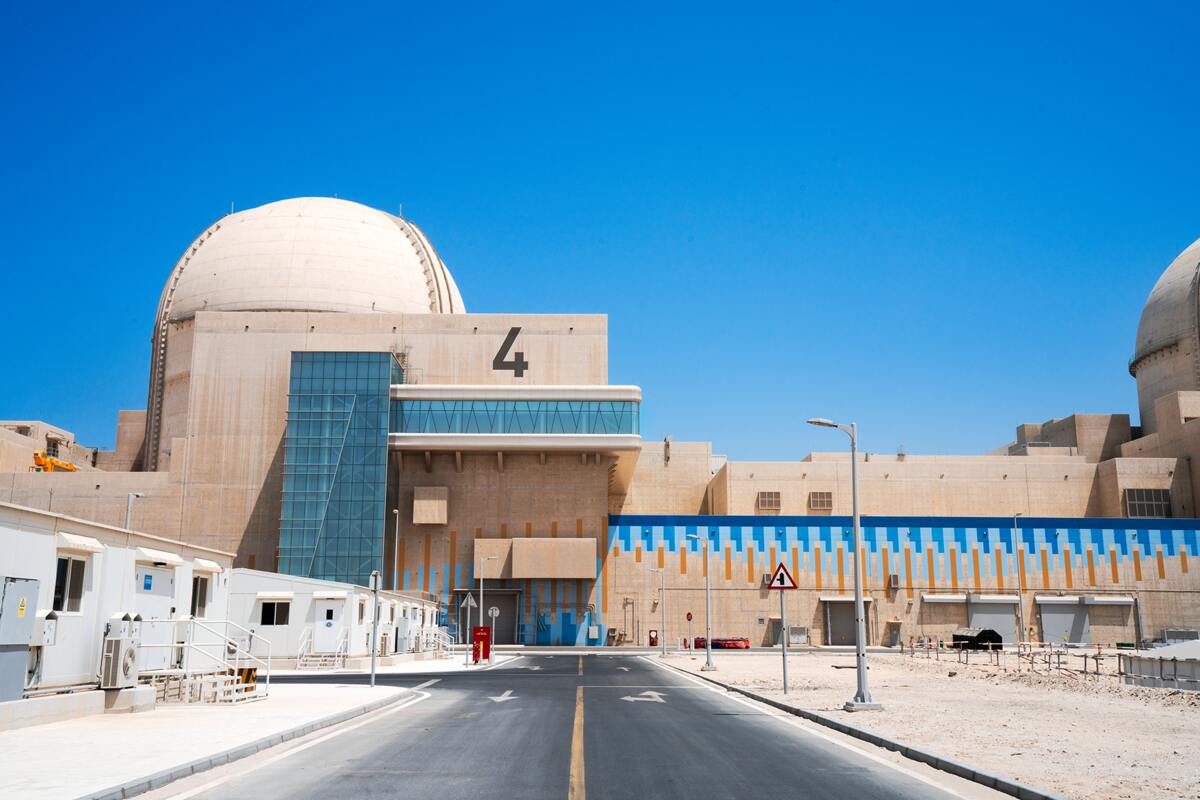
The Barakah plant, operated by the Emirates Nuclear Energy Corporation (ENEC), is the Arab world’s first nuclear power facility and houses four reactors. As of Sunday, May 17, ENEC officials reported that all reactors remained in a stable condition, with no radiation leaks detected. The UAE’s Federal Authority for Nuclear Regulation (FANR) has launched an inquiry into the incident, though no official statement has yet confirmed whether the UAV was deliberate or accidental.
Regional Tensions and Nuclear Security Concerns
The incident has reignited discussions about the vulnerability of nuclear facilities to drone-related threats, particularly in a region where geopolitical tensions remain high. The UAE has faced sporadic drone incursions in recent years, including near critical infrastructure, though this marks the first confirmed incident directly linked to a nuclear site. Analysts note that while the Barakah plant is designed with multiple layers of security, the proliferation of commercial and military drones has increased risks globally.

In a statement, the IAEA reiterated its standard protocols for nuclear safety, urging member states to enhance surveillance and counter-drone measures. The agency did not attribute the incident to any specific actor, but regional observers have pointed to the broader context of drone warfare in the Middle East, where Iran-backed groups and state actors have used UAVs in conflicts involving Israel, Yemen, and Syria.
Technical and Operational Response
ENEC and FANR officials have not disclosed technical details about the UAV’s size, origin, or payload, but reports suggest it was detected by the plant’s security systems before causing significant damage. The fire, which broke out in a non-nuclear section of the facility, was extinguished within hours, according to ENEC. The UAE’s military and civil defense agencies have since deployed additional aerial monitoring to prevent further unauthorized drone activity.
Drone incidents at nuclear facilities are rare but not unprecedented. In 2023, a similar event at a research reactor in Germany raised alarms about the potential for sabotage via UAVs. However, the Barakah incident stands out due to its occurrence at a commercial nuclear power plant in a region with heightened security concerns. Experts consulted by Headlinez.News emphasize that while the immediate risk appears mitigated, the episode underscores the need for adaptive security measures in an era where drone technology is increasingly accessible.
Geopolitical Implications and Next Steps
The UAE has not publicly linked the incident to any external actor, but the timing coincides with escalating tensions between Iran and Israel, as well as ongoing conflicts in the Red Sea. While there is no evidence to suggest state involvement, the use of drones as tools of coercion or sabotage remains a persistent threat. The IAEA’s director-general, Rafael Grossi, has called for a thorough investigation, stressing that any compromise to nuclear safety must be treated with the utmost seriousness.
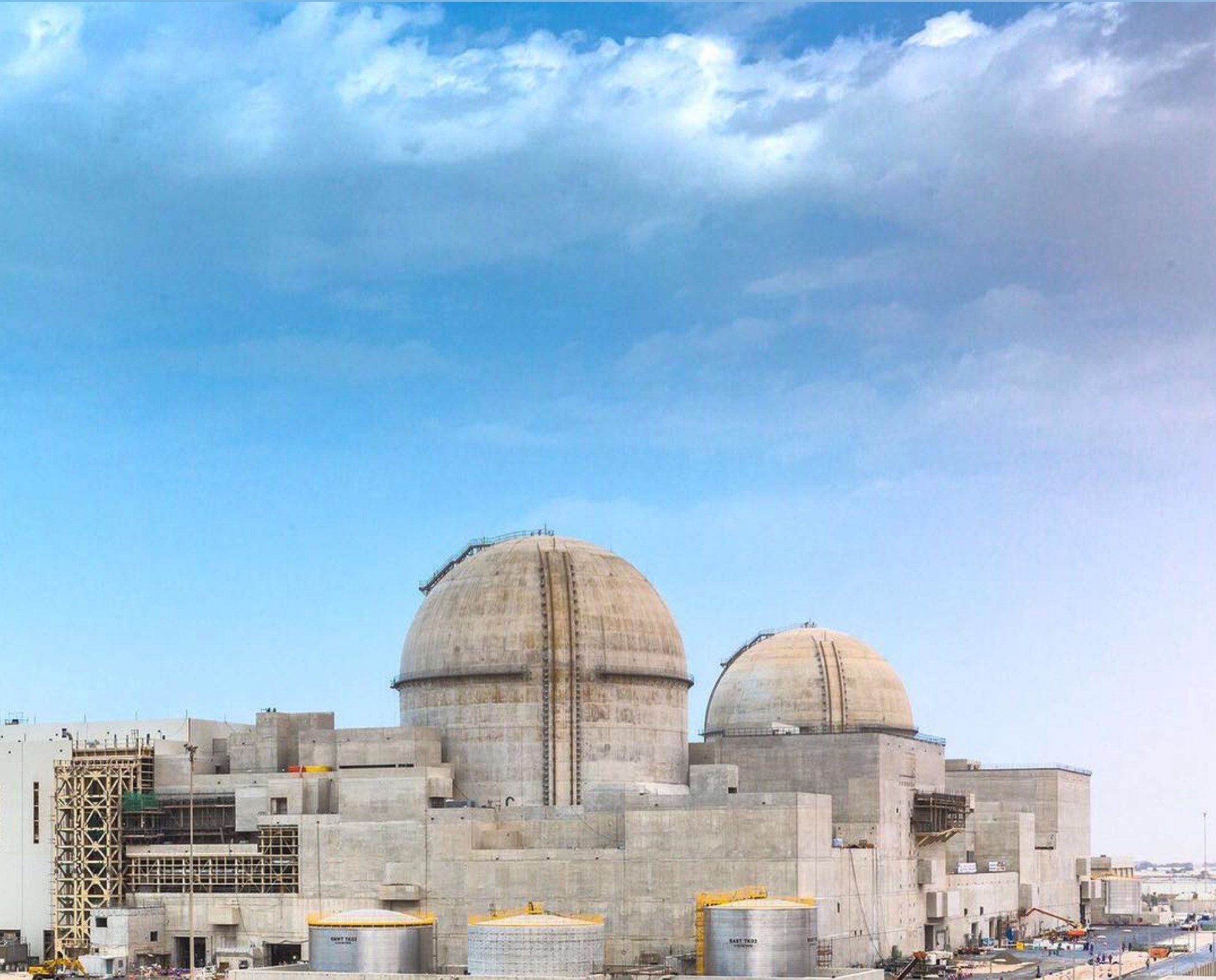
Looking ahead, the UAE is likely to reinforce its airspace defenses, potentially expanding the use of counter-drone systems at critical infrastructure sites. The incident may also prompt the IAEA to issue updated guidelines on drone-related nuclear security risks, given the global proliferation of UAV technology. For now, the focus remains on ensuring the Barakah plant’s safety while clarifying the circumstances of the May 16 event.
One question looms large: whether this incident will prompt a broader reassessment of drone regulations and nuclear security protocols in the Gulf region. With the UAE hosting international energy forums and nuclear cooperation dialogues, the response to this event could set a precedent for how nations balance technological innovation with physical security.
What Comes Next?
The IAEA and ENEC are expected to release a detailed report within the next 48 hours, outlining the findings of the investigation. If the UAV was indeed an act of sabotage or espionage, it could trigger a diplomatic response, particularly if evidence points to a state or non-state actor. Meanwhile, the UAE’s nuclear regulator has pledged to enhance its counter-drone capabilities, though specifics remain undisclosed.
For now, the Barakah plant continues to operate normally, and radiation levels have returned to baseline. Yet the incident serves as a stark reminder of the evolving threats to nuclear infrastructure in an age where drones—whether military-grade or consumer models—can be repurposed for harm. The challenge for governments and international bodies alike is to stay ahead of these risks without stifling the legitimate uses of unmanned aerial technology.
As the investigation unfolds, one certainty remains: the world is watching how the UAE and the IAEA respond. The stakes are not just about one fire, but about the future of nuclear safety in a connected—and increasingly contested—world.
