

The “She Grows Conference 2026” convened in Pong-Tamale, Ghana, this June to advocate for the professional recognition of women farmers as essential economic drivers. Meanwhile, the Nigerian government has validated a new gender policy aimed at inclusive agrifood systems, as regional development projects launch financial incentives for women-led agribusinesses to bolster food security.
Redefining the Narrative at She Grows Conference 2026
Organized by Hajia Fatahiya Abdul Aziz, the She Grows Conference 2026 brought together 500 women farmers, entrepreneurs, and traditional leaders in the Savelugu Municipality. The event, themed “Her Hands, Our Harvest – The Future is Fertile,” serves as a direct response to the United Nations’ designation of 2026 as the International Year of the Woman Farmer.
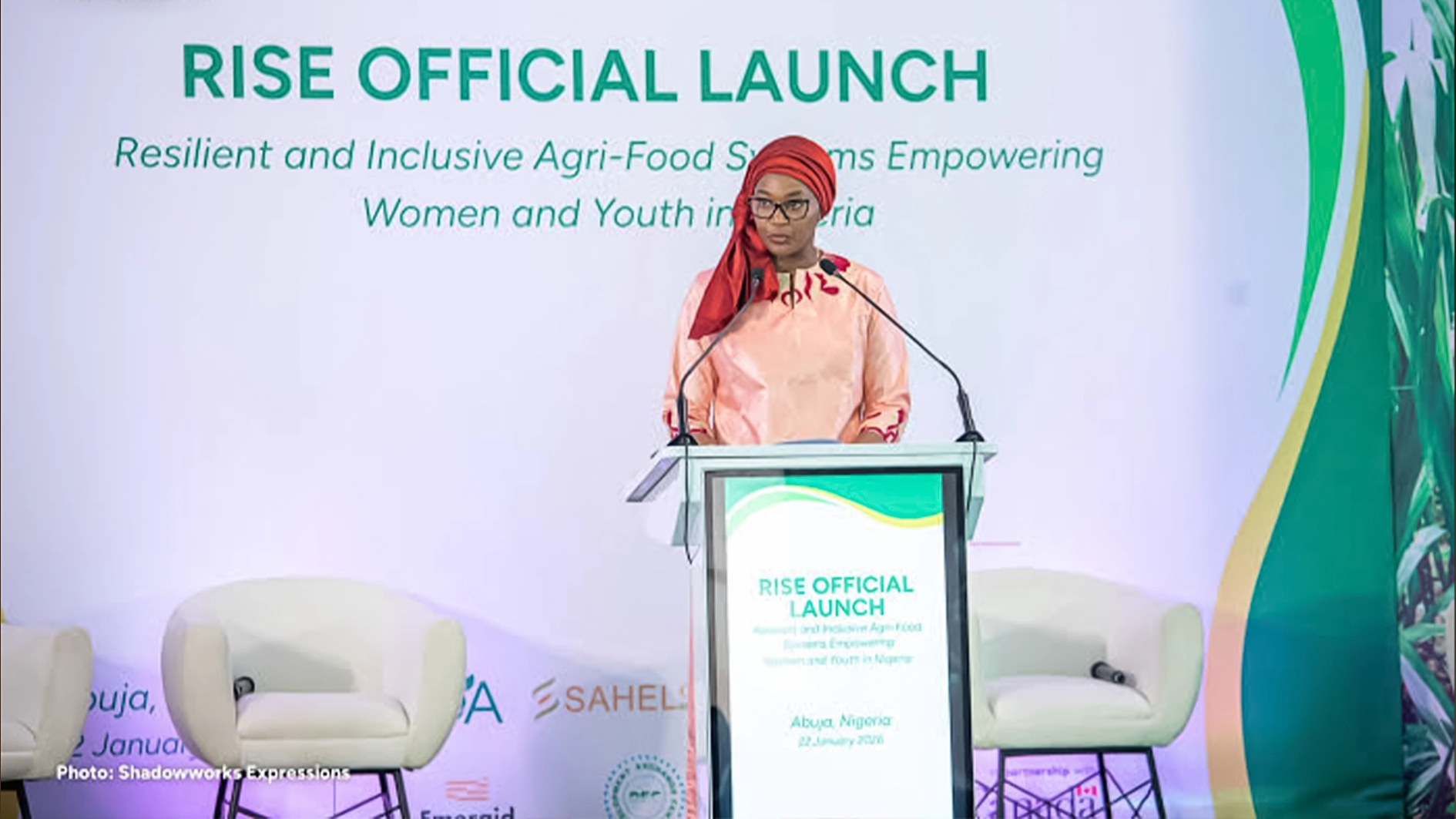
Hajia Abdul Aziz emphasized that the initiative aims to move beyond the traditional framing of rural women as subsistence farmers, instead positioning them as vital innovators within a green economy. During her address, she challenged the audience to view these women not as beneficiaries of charity, but as the backbone of the local economy.
“When I look around today, I do not simply see a gathering of women. I see the backbone of our local economy. I see resilience walking on two feet. I see determination wearing dusty boots and carrying baskets that have fed families, built communities and quietly sustained an entire nation.”
Hajia Abdul Aziz, organizer of the She Grows Conference, via GNA
The conference provided training in poultry management, digital entrepreneurship, and adaptive technologies. By facilitating partnerships with research institutions and development agencies, the organizers intend to provide a “safe-space platform” that addresses mental health alongside market access, according to reporting by the Ghana News Agency.
Nigeria’s Revised National Gender Policy on Agrifood Systems
While the Ghanaian conference focused on grassroots empowerment, the Nigerian government has moved to codify these principles at the national level. The Federal Ministry of Agriculture and Food Security recently validated the Revised National Gender Policy on Agrifood Systems Transformation (NGPAST) to address persistent disparities that hinder women’s participation in the agricultural value chain.
Senator Aliyu Sabi Abdullahi, representing the Minister of Agriculture and Food Security, framed the policy as a practical framework designed to ensure equitable access to resources and decision-making. The ministry is working alongside partners including ActionAid Nigeria, AGRA, and GIZ to integrate these gender-responsive approaches into national budgets and programs.
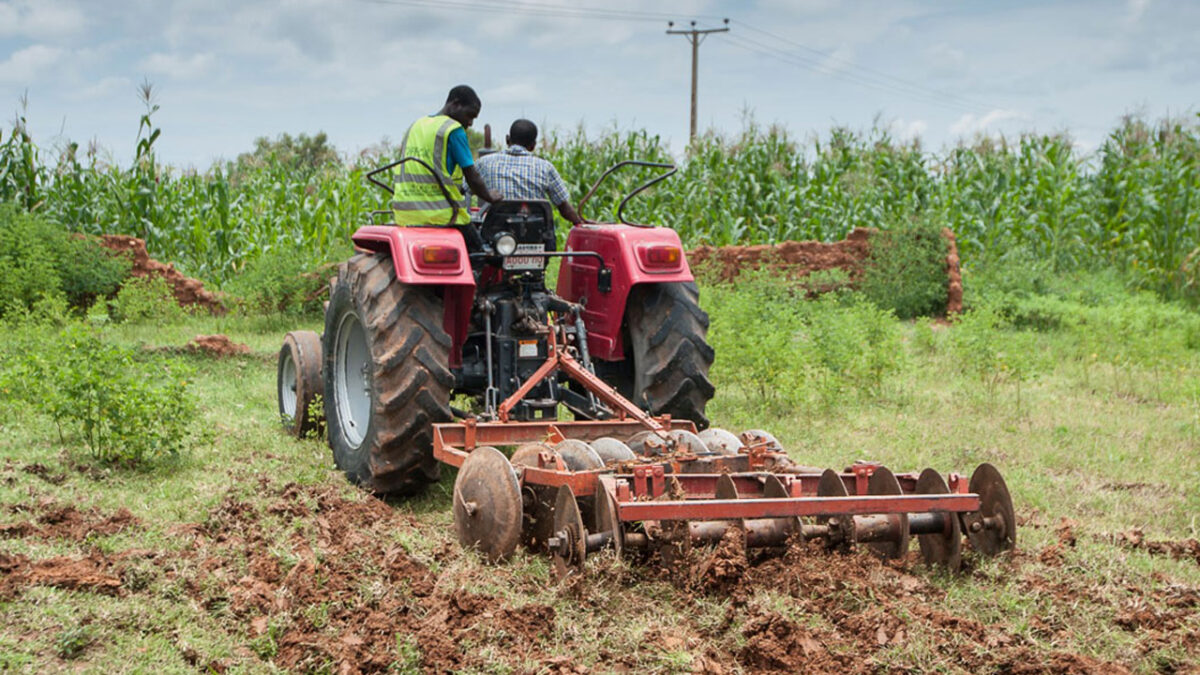
According to LEADERSHIP Newspapers, the government is also scaling its “Every Home a Garden” initiative and the “Renewed Hope Mechanisation Programme,” which specifically prioritizes women farmers among its first beneficiaries. These efforts are part of a broader strategy to mitigate the impact of food insecurity, which is expected to reach acute levels for millions of Nigerians during the June-to-August lean season.
Financial Incentives and the Rise of Women Agripreneurs
Beyond policy, new financial models are emerging to support women-led businesses. The RISE project—an initiative supported by Global Affairs Canada—has launched an expression of interest process for micro, small, and medium enterprises (MSMEs) in Bauchi, Kaduna, and Kano States. The program aims to create 8,000 jobs by offering non-repayable financial and technical support, with a specific focus on women and youth.
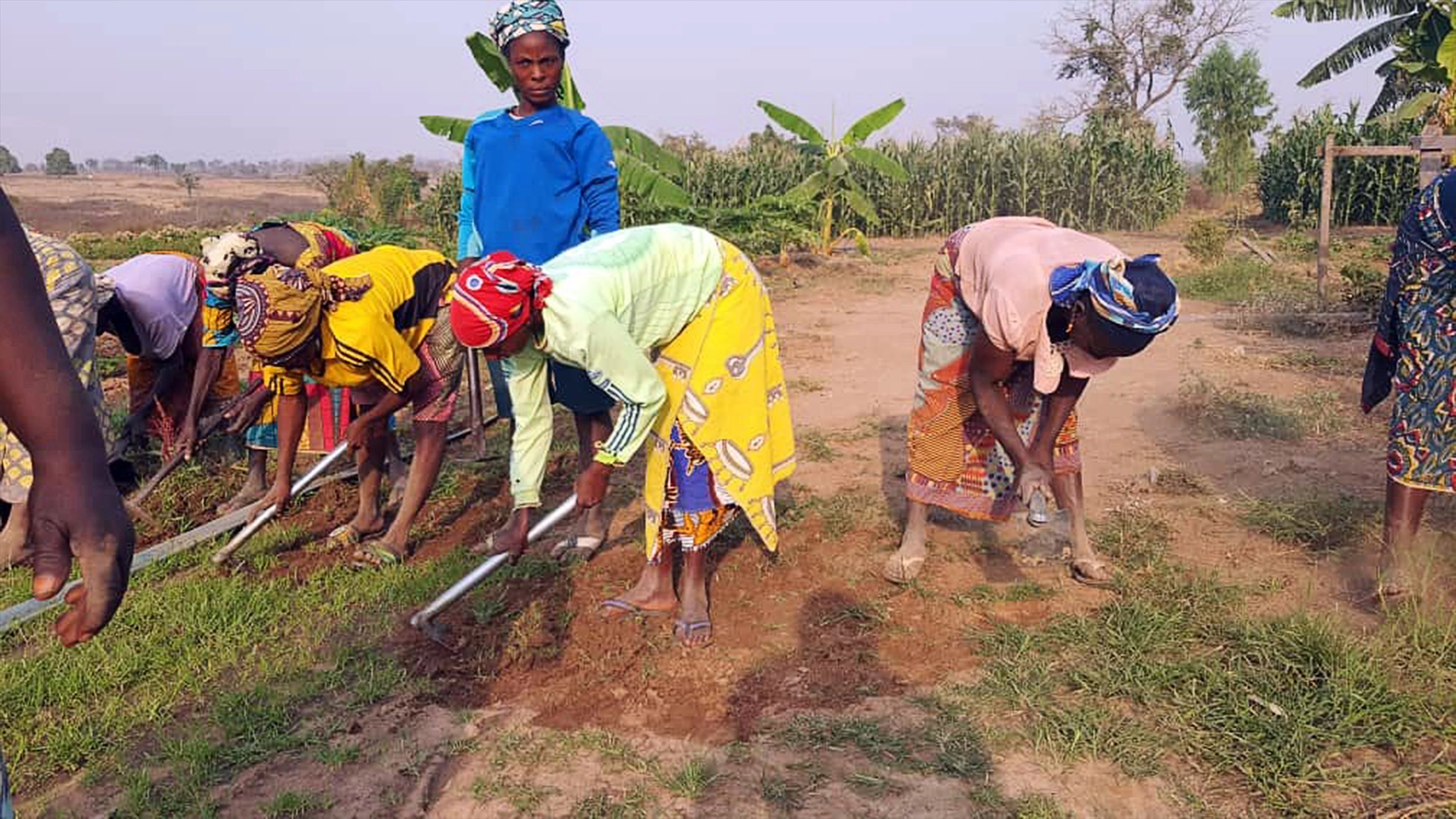
Maxwell Olitsa, the Country Project Manager for RISE, noted that the project is designed as a partnership rather than a traditional loan scheme. As reported by The Guardian Nigeria, the initiative offers a “Matching Award” that covers up to 50% of investment costs for eligible agribusinesses.
This push for economic inclusion comes at a critical time. The Guardian Nigeria highlights that globally, women account for about 41 per cent of the agricultural workforce, yet they face systemic inequalities that limit their productivity. Despite these hurdles, women are increasingly adopting sustainable practices, such as solar-powered cold storage, to reduce post-harvest losses and increase their income.
The Stakes for the Upcoming Lean Season
The convergence of these initiatives signals a shift in how stakeholders view the role of women in the face of persistent inflation and food supply volatility. As the 2026 lean season progresses, the focus remains on whether these policies and partnerships can provide the necessary resilience for households.
Industry experts suggest that the current focus is not merely on aid, but on economic agency. With the International Year of the Woman Farmer serving as a catalyst, the next 30 days will likely see an increase in the implementation of these support frameworks at the local level. Whether these programs can scale sufficiently to counter the projected increase in food insecurity remains the primary challenge for the coming months.
