President Donald Trump ordered retaliatory military strikes against Iran on Wednesday, June 10, 2026, following the downing of a U.S. military helicopter. As the operation commenced, the White House Task Force for the World Cup confirmed it is denying entry to certain Iranian officials, citing security concerns and potential links to the Islamic Revolutionary Guard Corps.
Military Retaliation After Helicopter Downing
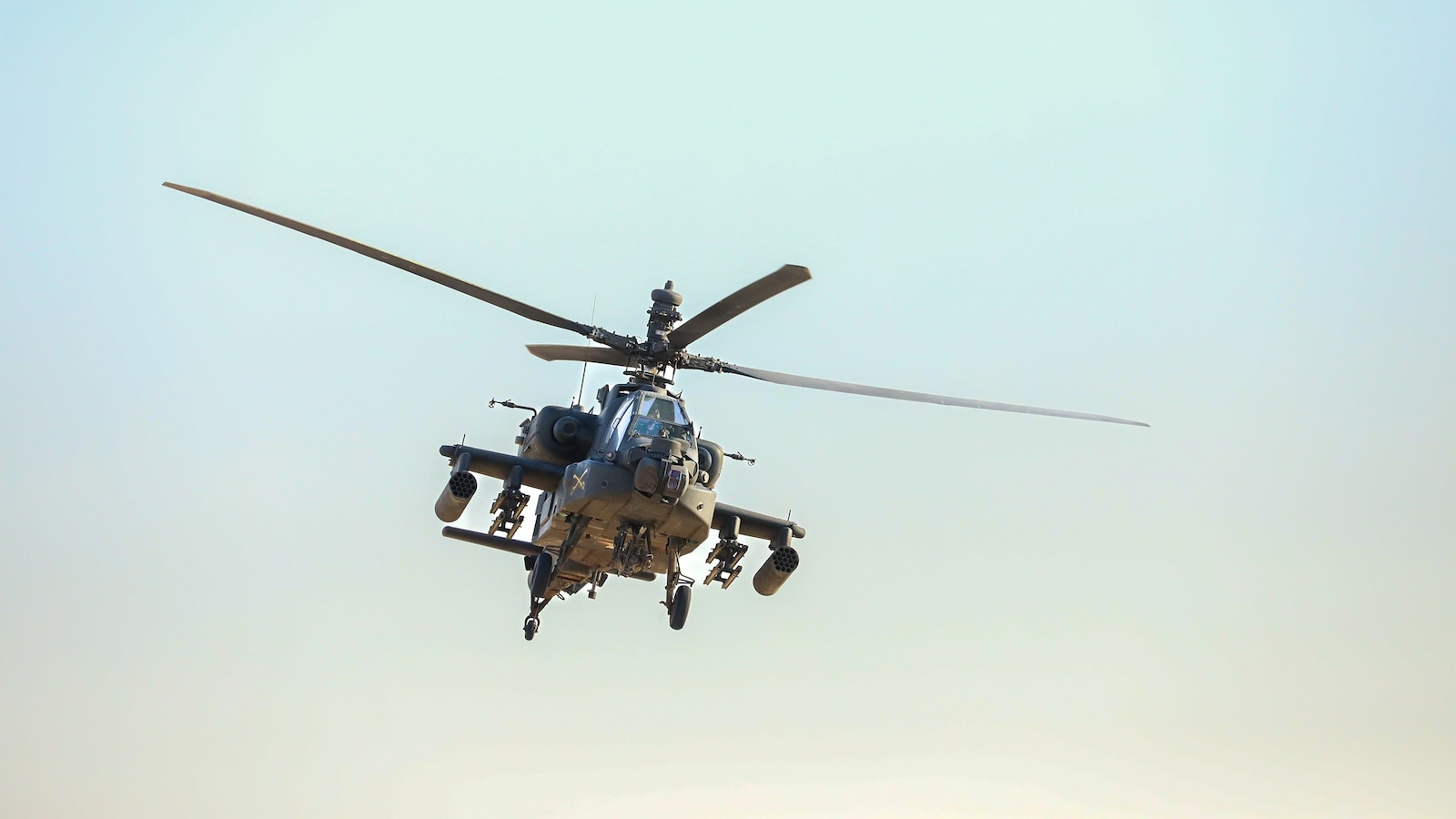
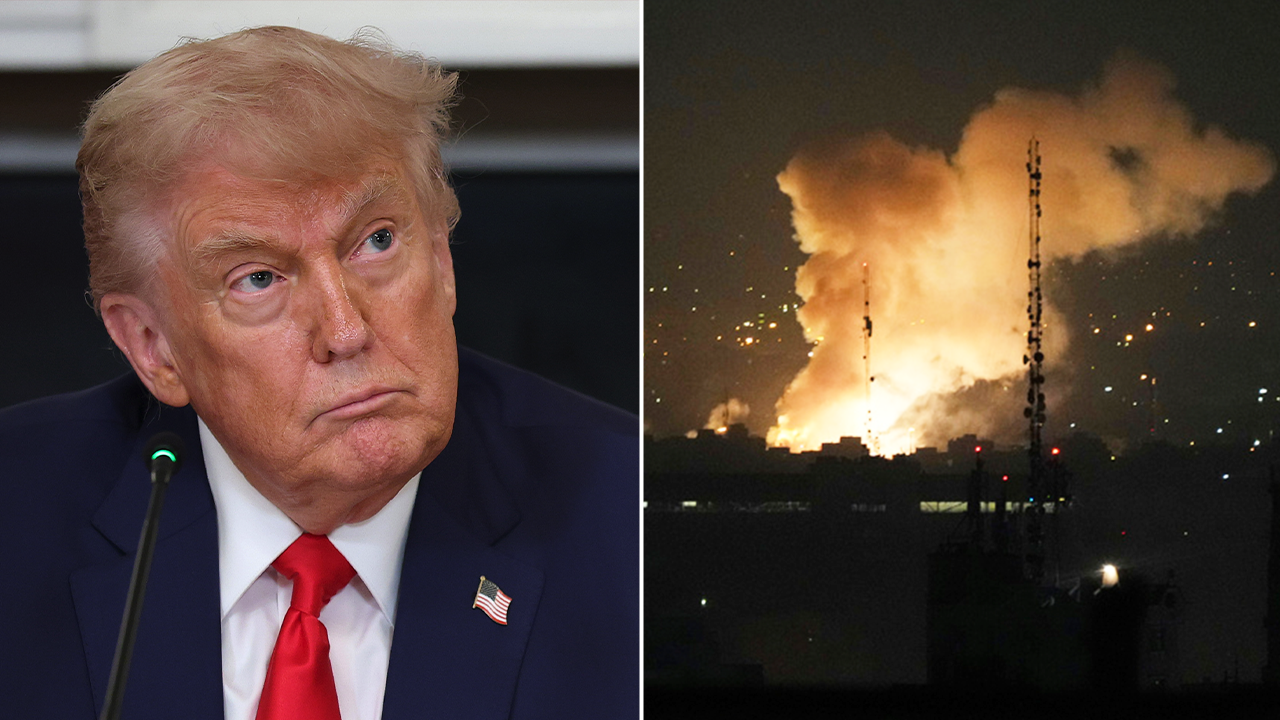
The United States launched a military response against Iranian targets on Wednesday following the destruction of an American Apache helicopter. The strike was confirmed by CENTCOM as the action was underway, according to reporting from ABC News. President Trump, speaking via telephone with reporters during the initial phase of the operation, framed the escalation as a necessary reaction to Tehran’s actions.
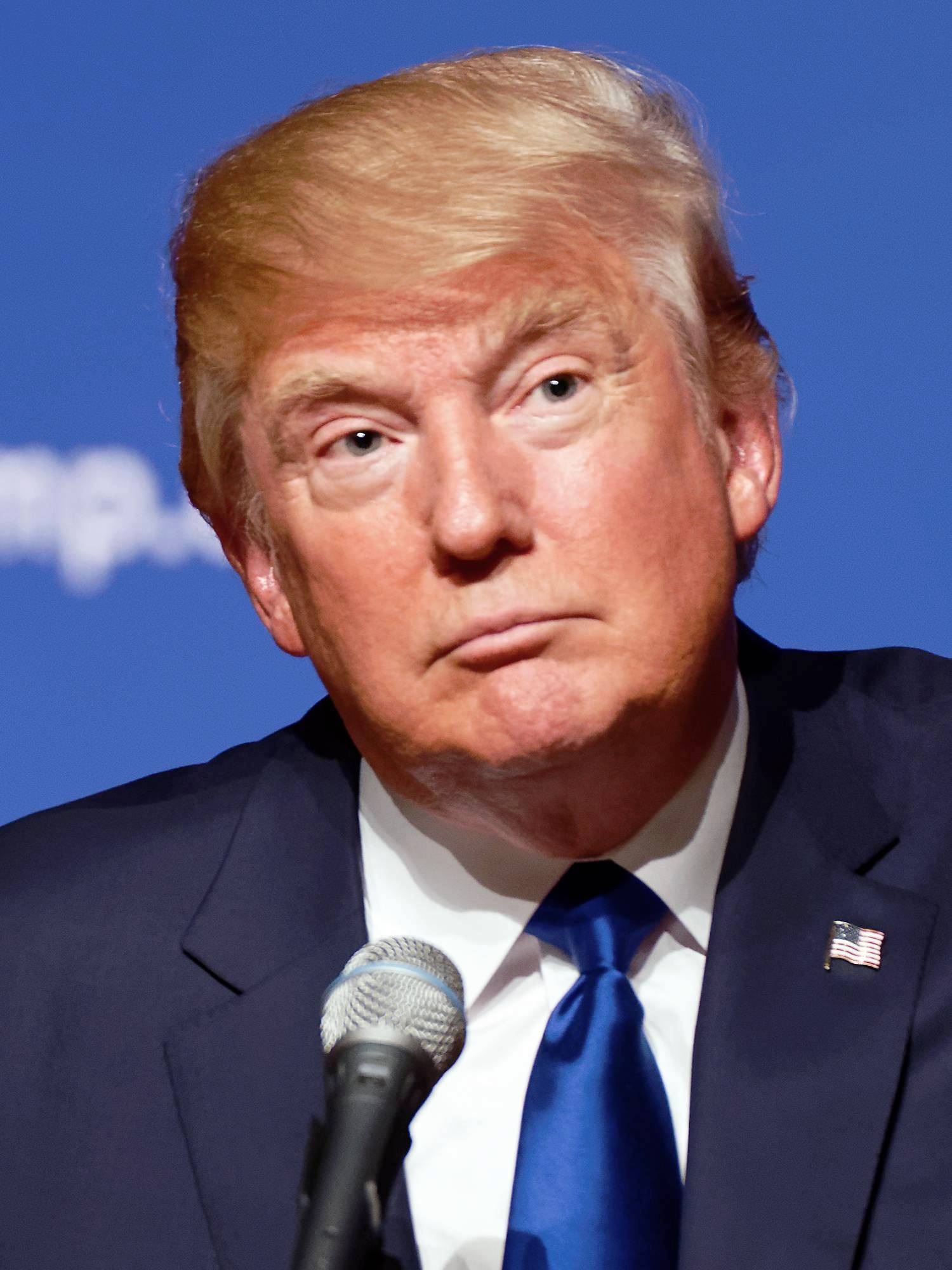
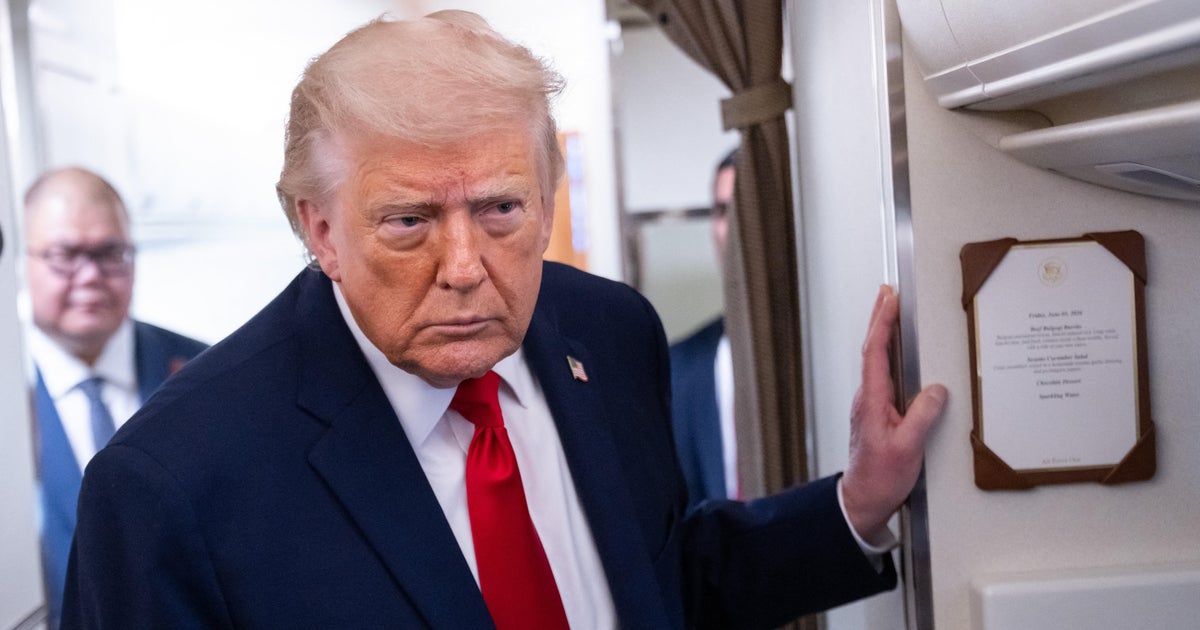
“I think it’s very important to respond. They shot down a helicopter, and we are responding as we speak. This is a response to what they did they did with our helicopter last night, and I believe the response should be very strong, very powerful, and that’s what this one is.”
Donald Trump, via ABC News
While the President noted that a prior diplomatic deal with Iran was “very good” and expressed hope that it might survive the current hostilities, he emphasized that his administration remains committed to a forceful posture. The strikes represent a sharp escalation in tensions between Washington and Tehran, occurring as the international community monitors the impact on regional stability. In the context of U.S. military doctrine, CENTCOM—the United States Central Command—is responsible for military operations and cooperation with partner nations in the Middle East, Central Asia, and parts of South Asia. The use of force against state-affiliated targets, such as those linked to the Islamic Revolutionary Guard Corps (IRGC), typically involves coordinated air or naval assets designed to degrade the adversary’s offensive capabilities following a specific provocation.
World Cup Visa Denials and Security Screening
Simultaneous with the military activity, the U.S. government is tightening entry requirements for Iranian nationals associated with the upcoming World Cup. Andrew Giuliani, the executive director of the White House Task Force for the World Cup, addressed the policy at an Atlantic Council event, as reported by CBS News.
IRAN LIVE | US Launches 'Self Defense' Strikes In Response To Downing Of Apache Helicopter | Trump
Giuliani clarified that while the U.S. is welcoming athletes and coaches, officials with suspected ties to the Islamic Revolutionary Guard Corps (IRGC) are being barred from entry. The administration is using a rigorous vetting process to ensure that the tournament remains a “level playing field.” The IRGC is an official branch of the Iranian Armed Forces, which the United States has previously designated as a Foreign Terrorist Organization. U.S. immigration law grants the executive branch broad authority to restrict the entry of individuals deemed a threat to national security, a process frequently intensified during periods of active military engagement.
“We’re striking that balance between making sure that any bad actors that … try to come into the country under the guise of the World Cup will not get access to the United States. There are some people that claim that they are coaches that may not be coaches.”
Andrew Giuliani, via CBS News
Diplomatic and Operational Challenges
The visa restrictions have caused friction with the Iranian football federation, which reported that it had lost ticket allocations for supporters and faced denials for some support staff. Giuliani defended the screening process, noting that 35 teams have successfully entered the United States to date.
Photo: cbsnews.com
The vetting process also touched on broader immigration policies. For instance, the denial of entry to Somali referee Omar Artan at Miami International Airport drew scrutiny; Artan was barred as part of a travel ban list covering 39 countries. When questioned on specific cases, Giuliani maintained that denials were issued for “very good reason,” though he declined to provide granular details regarding individual applicants. Under standard international travel protocols, sovereign nations maintain the right to refuse entry to any foreign national at their border, regardless of whether the individual holds a valid visa, particularly if border agents determine the person poses a security risk.
Category
Status/Policy
Iranian Coaching Staff
Allowed entry
Suspicious Officials
Denied entry via IRGC screening
Travel Ban Countries
Restricted access; Somali referee denied
As the military strikes continue and the diplomatic standoff over tournament access persists, the administration faces the dual challenge of managing an active conflict while maintaining the logistical integrity of a major global sporting event. The role of the White House Task Force for the World Cup is to coordinate interagency efforts, including the Department of Homeland Security and the State Department, to manage the influx of international personnel. The intersection of these security protocols with the ongoing military operation highlights the complexity of hosting a global event during a period of heightened geopolitical instability. The coming days will likely reveal whether the military actions lead to further retaliatory measures from Tehran or if the current operational tempo remains contained.
Bio:
John Smith is the World Editor at Headlinez.News, leading the global news desk and overseeing international correspondents. With 15 years of field experience across Europe, the Middle East, and Asia, John has reported from conflict zones, summits, and humanitarian missions. His deep understanding of geopolitical trends and cross-cultural reporting ensures that readers receive accurate, balanced perspectives on world events that shape the global narrative.
Expertise: International reporting, geopolitics, diplomacy, conflict journalism, foreign policy analysis.
Location: London, United Kingdom