
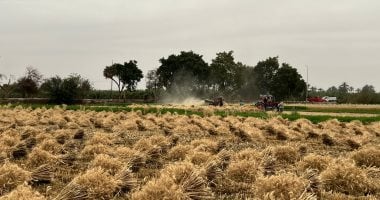
April 24, 2026 — As Egypt reaches the midpoint of the Coptic month of Baramoda, farmers across the country are deep in the harvest season, reaping the rewards of months of labor in the fields.
Baramoda, the ninth month in the ancient Coptic Egyptian calendar, marks the peak of the annual agricultural cycle, particularly for wheat — the nation’s strategic staple crop. The period is traditionally associated with the threshing of grain, a process captured in the enduring proverb “Baramoda strikes the demauda,” referring to the separation of grain from chaff.
Officials note that mid-Baramoda represents the actual onset of wheat delivery to granaries, facilitated by moderate temperatures that dry the stalks to optimal moisture levels for harvesting. This timing ensures the grain is ready for storage and distribution.
Beyond wheat, the month concludes the growing season for several winter crops, including fava beans, flax, and clover, as fields are cleared in preparation for summer planting. Meanwhile, citrus trees show signs of vitality, and early summer fruits begin to appear, signaling the transition to the next agricultural phase.
The rhythmic pace of farming during Baramoda has long sustained Egyptian communities, linking present-day practices to traditions that stretch back thousands of years. As the harvest unfolds, the fields buzz with activity — a living testament to the enduring relationship between the land and those who work it.
