
Following the recent change in leadership, Venezuela‘s transitional government is moving to address significant economic instability. Authorities are preparing to resume the official sale of U.S.dollars in an attempt to halt the bolívar‘s rapid devaluation adn curb rising inflation. The move, funded by oil revenue via a Qatari trust, represents a key intervention in the South American nation’s volatile financial markets and signals a shift in monetary policy.
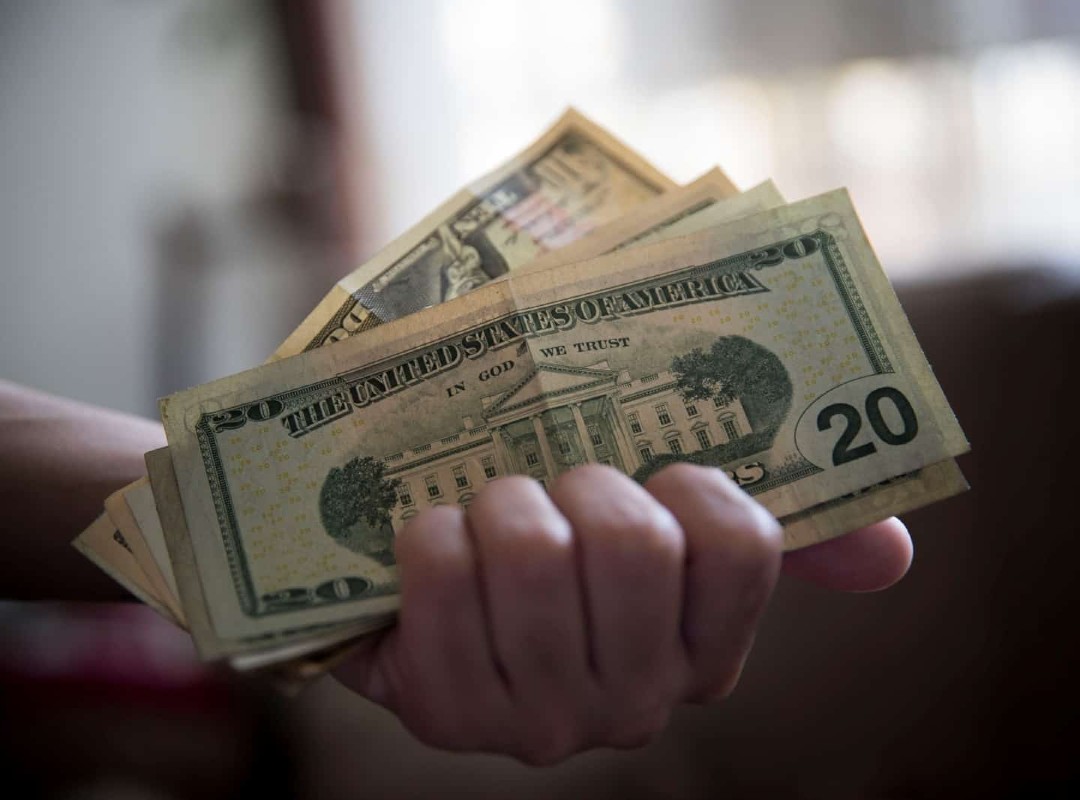
Venezuelan authorities are preparing to resume the official sale of dollars in an effort to stabilize the bolívar, which has been rapidly losing value following recent political changes. The move aims to inject much-needed liquidity into the market after weeks of stalled currency exchange and increasing inflationary pressure.
Several banks in Caracas have already begun reaching out to corporate clients to gauge demand for U.S. currency, according to reports from Bloomberg. This represents the first significant influx of dollars into the Venezuelan financial system since mid-December.
The funds are coming from a trust established in Qatar, designed to manage revenue from current oil exports. This mechanism allows resources to flow through the country’s four largest private banks. The reintroduction of official dollar sales comes as Venezuela navigates a period of political transition following the capture of Nicolás Maduro.
Alejandro Grisanti, director of the Venezuelan consulting firm Ecoanalitica, warned that the measure is intended to prevent an extreme devaluation of the exchange rate, which he said “would have left us on the brink of a new hyperinflation.” The stabilization of the exchange rate is a key priority to avoid another period of runaway inflation.
Following Maduro’s capture, the bolívar depreciated by more than 20%, approaching 800 bolívars per dollar, fueling fears of a renewed currency crisis. This prompted the government to take action to bolster the bolívar’s value.
The currency strategy coincides with authorization granted by Washington to major trading companies to sell Venezuelan crude oil under supervision. These energy revenues are expected to support the renewed dollar sales through banks. The move underscores the importance of oil revenue to Venezuela’s economic stability.
Delcy Rodríguez, head of Venezuela’s transitional government, has also proposed reforms to create funds to manage these dollars, with the goal of establishing a more transparent foreign exchange market under the new political framework. The International Monetary Fund has indicated its willingness to assist Venezuela, but is seeking greater political clarity.
