
As the war in Ukraine nears its fourth anniversary, a ukrainian delegation has arrived in the United States for critical talks aimed at securing a potential peace agreement. The discussions, occurring as Russia intensifies attacks on Ukraine’s power infrastructure amidst freezing winter conditions, will involve envoys for former president Donald trump – Steve Witkoff and Jared Kushner – alongside U.S.Army Secretary Dan Driscoll. Kyiv is seeking concrete security assurances from its allies, even as domestic polling reveals significant Ukrainian opposition to territorial concessions and lingering skepticism about the prospect of lasting peace [[2]].
Ukrainian Delegation Discusses Peace Deal Details with U.S. Officials
A Ukrainian delegation arrived in the United States on Saturday to engage in talks regarding a U.S.-led diplomatic effort to end the nearly four-year-long war, as Russia renewed its attacks on Ukraine’s power grid, causing widespread outages. The discussions come at a critical juncture as Kyiv seeks security assurances from its allies and as the conflict nears a significant milestone. Kyrylo Budanov, head of the Ukrainian President Volodymyr Zelenskyy’s office, stated he traveled to America to discuss “the details of a peace agreement.”
The delegation is scheduled to meet with Steve Witkoff, a special envoy for President Donald Trump, Trump’s son-in-law Jared Kushner, and U.S. Army Secretary Dan Driscoll. The meetings will take place in Miami just days before the fourth anniversary of Russia’s invasion of Ukraine. Kyiv is hoping to gain clarity on security guarantees as part of a potential peace agreement.
Budanov wrote on social media: “We have arrived in the United States. Together with (National Security Council Secretary) Rustem Umerov, and (Negotiator) David Arakhamia, we will hold important talks with our American partners regarding the details of a peace agreement.”
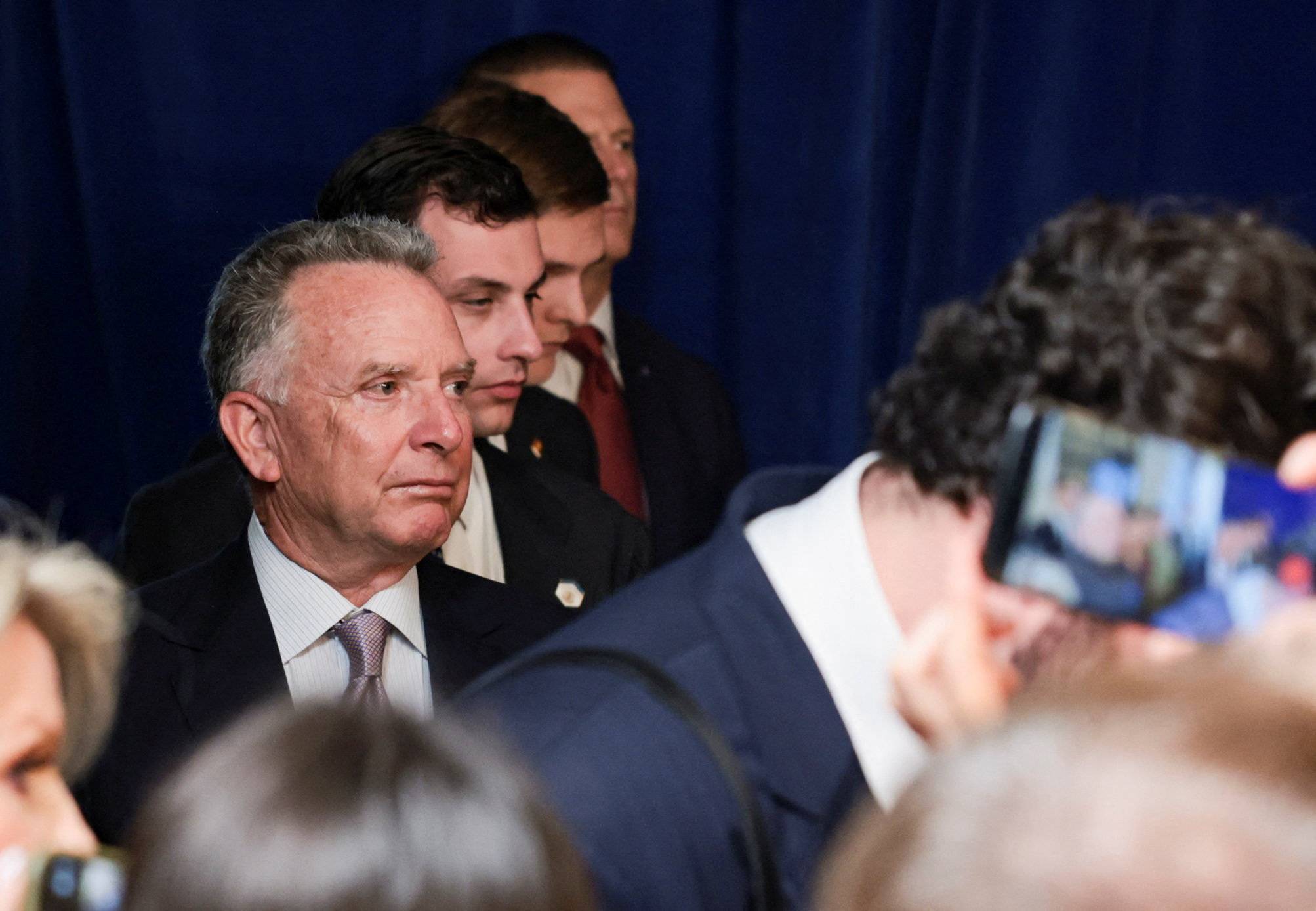
Ukraine’s Ambassador to Washington, Oksana Markarova, stated on Facebook Friday that discussions will focus on security guarantees and what she described as “Ukraine’s economic prosperity,” potentially valued at $800 billion. She added, “If negotiations proceed smoothly, an agreement could be signed as early as next week, on the sidelines of the World Economic Forum in Davos.”
Zelenskyy, as reported by the Agence France-Presse, said, “We hope to clarify things regarding the documents we have prepared with the American side, and regarding Russia’s response to all ongoing diplomatic efforts.” He continued, “If everything is finalized, and if the American side agrees – because from our side, the matter is, in principle, completed – a signing during Davos is possible.”
Both Zelenskyy and Donald Trump are expected to participate in the World Economic Forum next week.
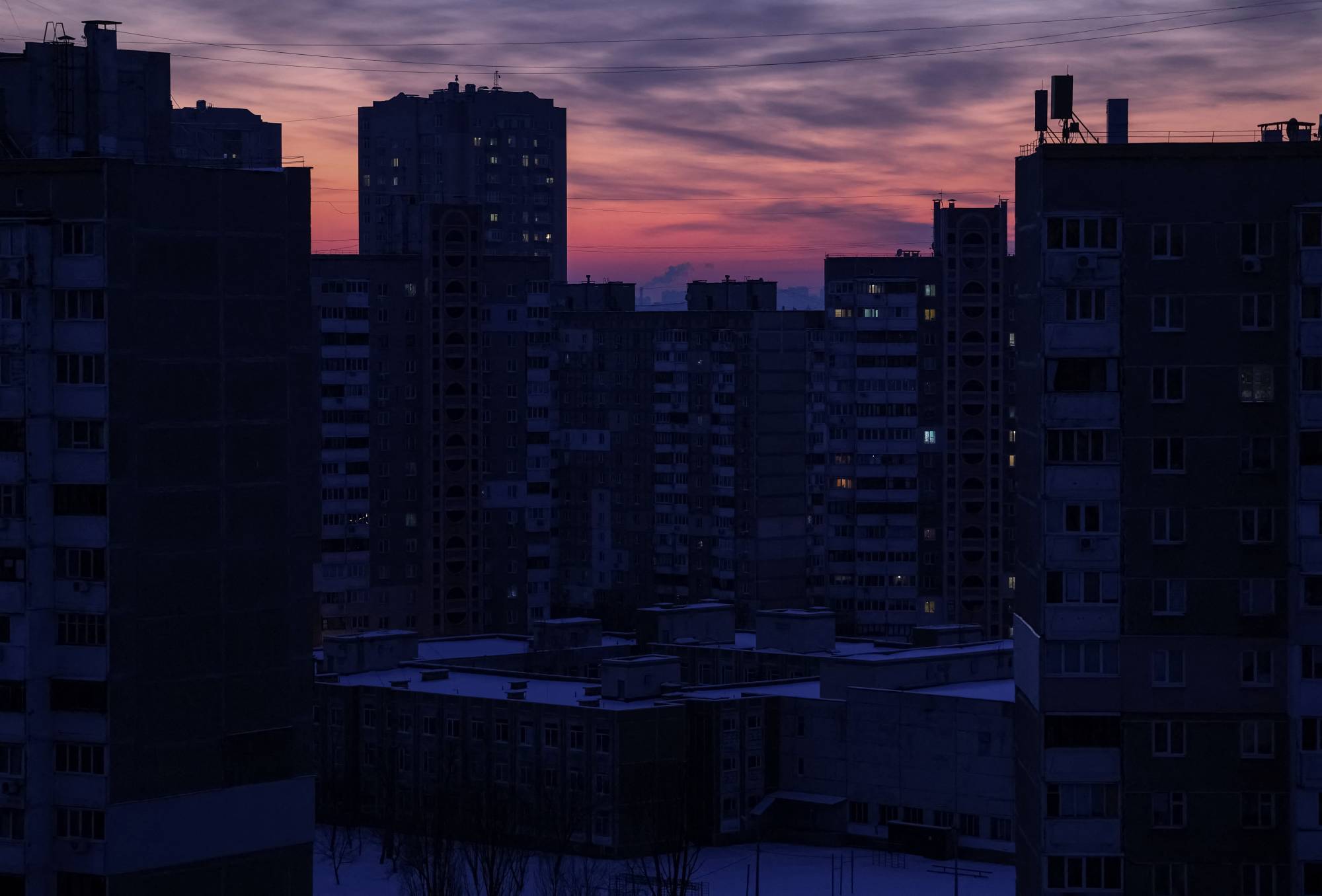
Earlier, Zelenskyy said Ukrainian negotiators were en route to the United States to clarify the terms of a potential peace agreement with Russia, following statements by President Donald Trump that Kyiv was obstructing the peace process and ending the war.
Zelenskyy added via social media that the Ukrainian team “despite everything” is actively working with representatives of the U.S. President, and that the delegation will attempt to finalize with U.S. officials proposed peace settlement documents concerning security guarantees in the post-war period, economic recovery, and reconstruction. He also sharply criticized the slow delivery of ammunition from partners, noting that meetings were planned in the coming days.
Trump is pushing for an end to the war without any breakthrough yet achieved, and has previously expressed frustration with both sides. He has also pressured Ukraine to accept peace terms that Kyiv has likened to surrender. Significant points of contention remain between Kyiv and Washington. Ukraine, wary of past unfulfilled commitments, is pressing for legally binding security guarantees to prevent any future Russian aggression.

Ukraine is facing American pressure to quickly approve a peace agreement, but is refusing to accept Russian demands to cede territory it still controls in eastern Donbas, a large, resource-rich industrial region comprising the Donetsk and Luhansk regions.
A poll released Friday indicated that a majority of Ukrainians strongly oppose withdrawing troops from the Donetsk region, which remains under Kyiv’s control, in exchange for European and American security guarantees. The poll showed that 54 percent of Ukrainians outright reject the idea of withdrawing from areas in Donbas for security guarantees, while 39 percent said they would accept it reluctantly. Nearly 70 percent of participants expressed doubt that current negotiations would lead to lasting peace.
Approximately 57 percent of those surveyed believe Russia would attack again if a ceasefire agreement were reached on current fronts and security guarantees were provided by allies.
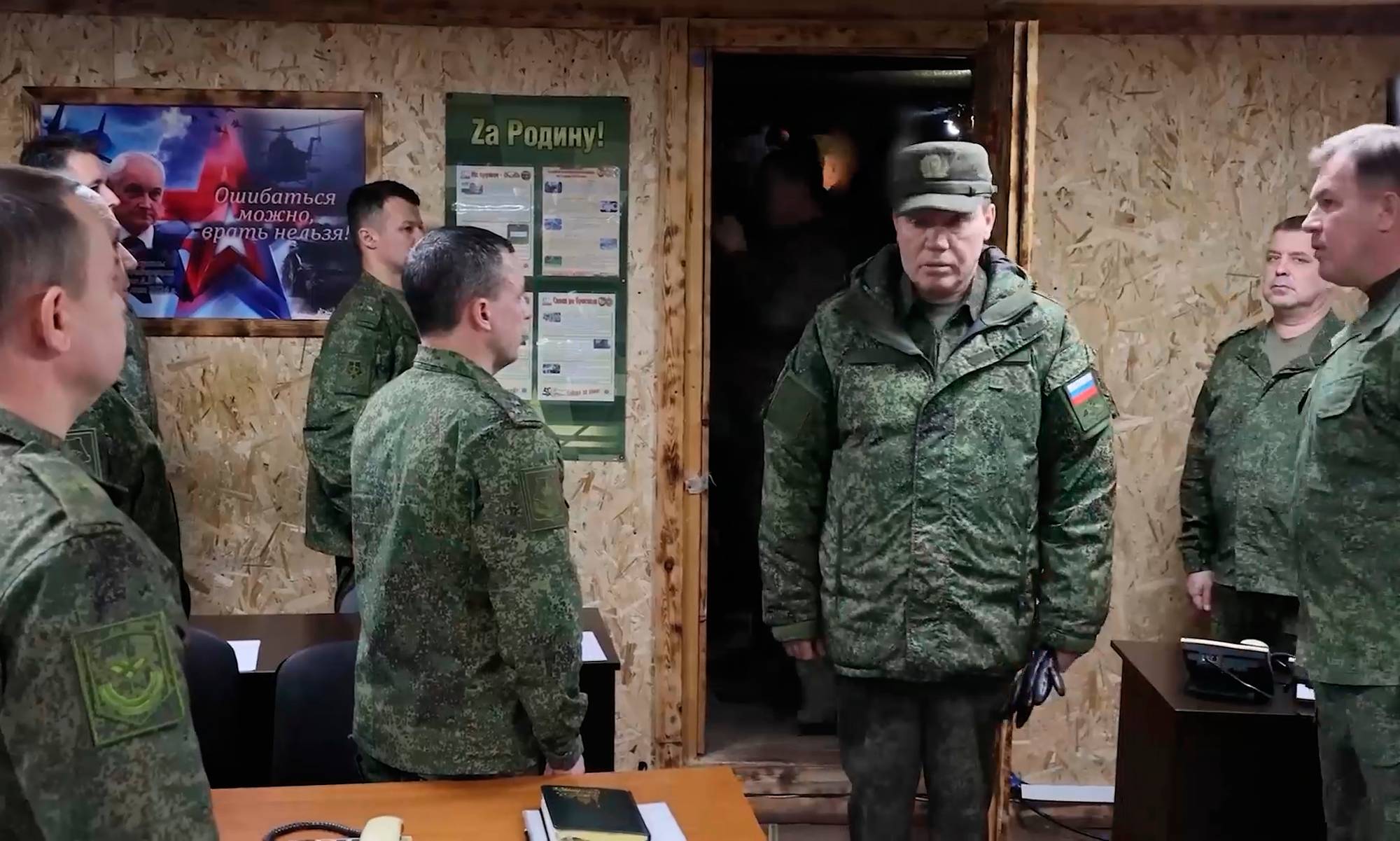
Zelenskyy also stated that Ukrainian intelligence reports indicate Russia is preparing a new wave of “massive” attacks on the country, as Ukraine struggles to keep its power grid operational amid severe winter weather.
“We are speaking frankly with our partners, both about air defense missiles and the systems we desperately need,” Zelenskyy said during his nightly address, adding that “supplies are insufficient.” With temperatures dropping to 20 degrees Celsius below zero at night, Russian attacks have caused widespread disruptions to electricity and heating systems across the country, prompting calls for allies to accelerate weapons deliveries as Ukraine’s energy infrastructure faces increasing aerial assaults.
Zelenskyy acknowledged problems with Ukraine’s air defense systems at a critical moment in the war, explaining that some of the air defense systems Ukraine received from Western allies have run out of ammunition amid a wave of Russian attacks that have damaged energy infrastructure.

Kyiv Mayor Vitali Klitschko said Saturday that central heating is gradually being restored in the Ukrainian capital after several days of outages. Russian attacks have caused widespread power and heating outages throughout the country, but the situation is particularly dire in Kyiv, with a population of around 3 million, where authorities have had to implement emergency power cuts in recent days.
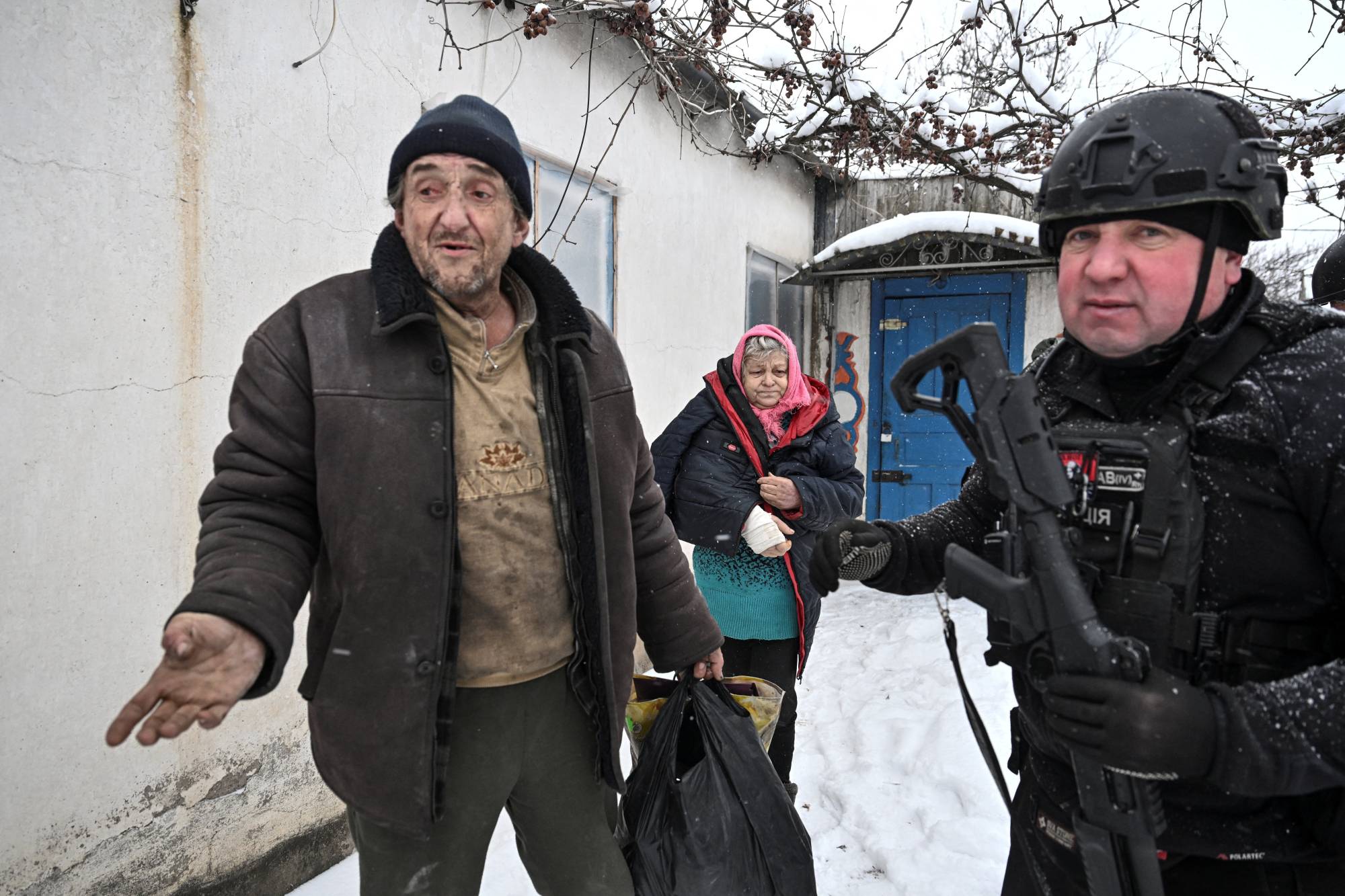
DTEK, the largest private investor in Ukraine’s energy sector, said a further air strike on the outskirts of Kyiv in the early hours of Saturday caused power outages for approximately 56,000 homes in the Bucha district. Emergency shutdowns were also reported in the Brovary and Boryspil suburbs, where the harsh winter weather has slowed down repair work.
On the ground, the Russian Defense Ministry said Saturday that its forces had taken control of the villages of Pryvilia in the Donetsk region of Ukraine and Prelyubivka in the Zaporizhzhia region, though the reports could not be independently verified.
The International Atomic Energy Agency said Friday that Ukraine and Russia had agreed to implement a “local ceasefire” at the Zaporizhzhia nuclear power plant to allow repairs to the “last remaining operational power line” at the site. The agency said in a statement that technicians from the Ukrainian power grid company are expected to begin repairing the 330 kV power line, which was damaged and disconnected as a result of military activity on January 2nd, in the coming days. The agency has deployed a team to oversee the repair work.
