
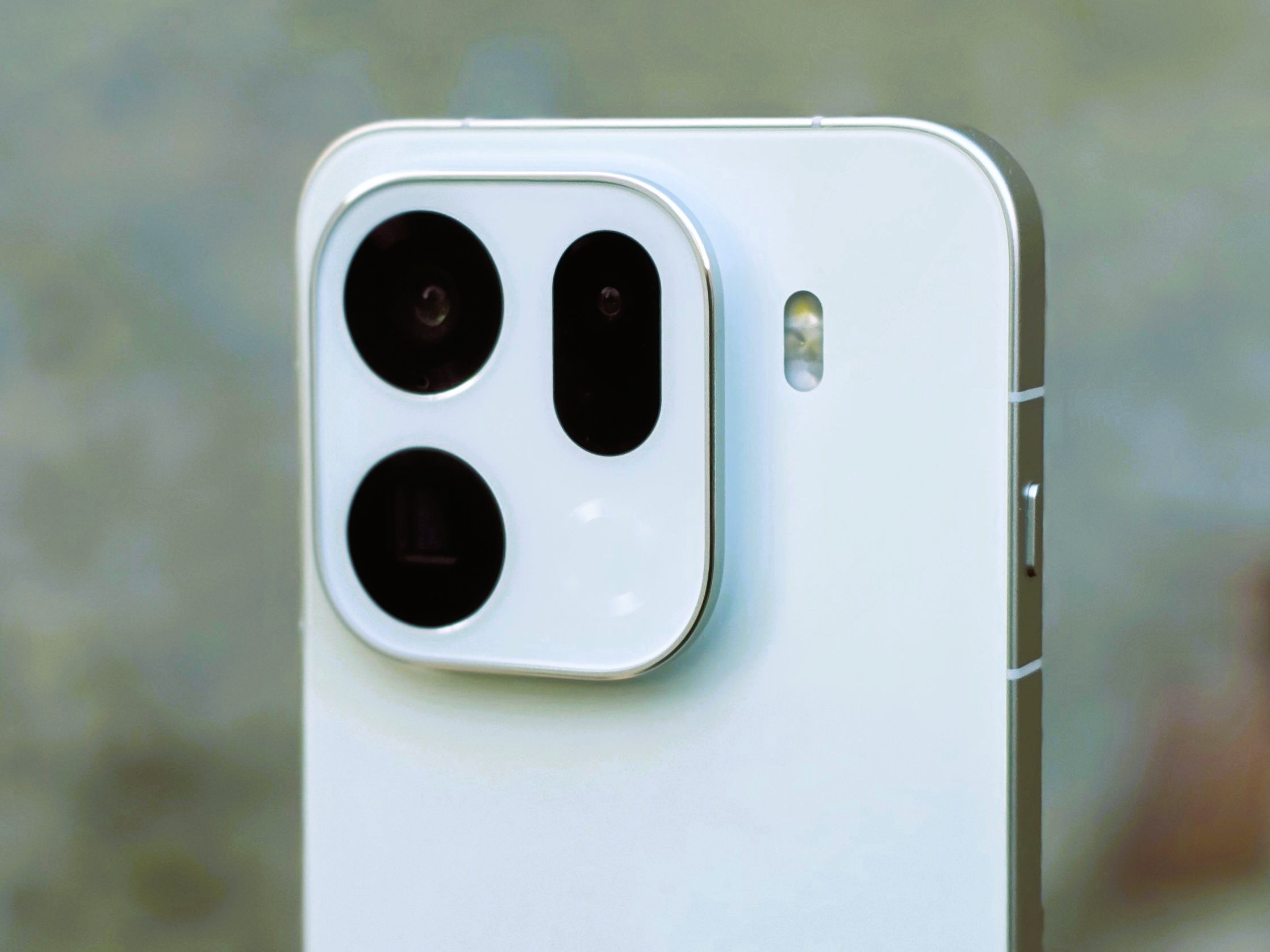
OPPO Find X9 Pro Shows Performance Throttling, Weak Storage in Early Tests
The newly released OPPO Find X9 Pro, powered by the MediaTek Dimensity 9500 chipset, is exhibiting significant performance throttling and slower-than-expected storage speeds according to initial benchmark testing released today.
Tests reveal the device experienced a performance drop of up to 80% during 3DMark stress tests, suggesting potential limitations when handling demanding applications like games or graphics-intensive software. While everyday use appears unaffected, fluctuations in performance are possible under heavy load. This is particularly concerning as consistent performance is a key factor for flagship smartphone users.
Beyond throttling, benchmark results also indicate weaknesses in artificial intelligence processing and UFS 4.1 storage write speeds. Data suggests the issue stems from the Dimensity 9500’s integrated memory controller, rather than the storage hardware itself. For more detailed benchmark data, including results from UL Procyon AI Inference, Geekbench AI, and Androbench, see full test results. Understanding chipset performance is crucial when considering a new smartphone, as it directly impacts user experience. You can learn more about MediaTek’s Dimensity series on their official website.
OPPO has not yet commented on the findings, but is expected to address the reported issues in a software update if confirmed.
Although the MediaTek Dimensity 9500 is a very powerful and reliable chipset for everyday use, the Find X9 Pro exhibited significant throttling in our tests. In the 3DMark stress tests, we observed a performance drop of up to 80%. While we didn’t notice any limitations in our review, noticeable performance fluctuations cannot be ruled out, especially in demanding applications such as games or graphics-intensive tasks.
But even aside from the SoC throttling, the benchmark results weren’t entirely convincing. While this was a strength of its predecessor, the Find X9 Pro exhibited some weaknesses in the AI tests. The same applies to the measured values of the UFS 4.1 storage, as the write speeds of the Find X9 Pro were particularly weak. This is likely due to the Dimensity 9500’s built-in memory controller rather than the storage hardware itself.
The exact values of the mentioned benchmarks (UL Procyon AI Inference, Geekbench AI, Androbench) and many other tests can be found here.
