
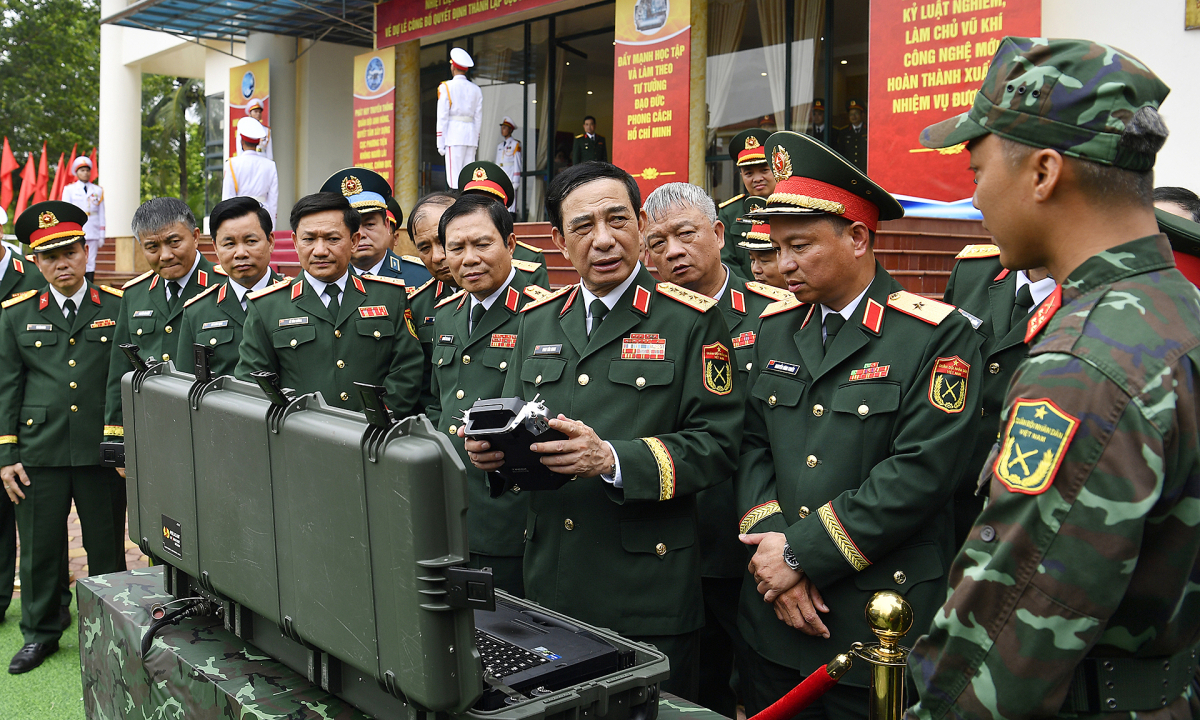
The Vietnam People’s Army officially established the Department of Unmanned Vehicles under the General Staff on June 11, 2026. The new unit aims to bolster high-tech combat capabilities and modernize national defense strategies, reflecting the military’s ongoing efforts to adapt to contemporary warfare trends and enhance rapid response capabilities through 2030.
Strategic Mandate and Organizational Structure
The formation of the Department of Unmanned Vehicles follows the implementation of Resolution No. 05, issued on January 17, 2022, by the Politburo. This directive focuses on adjusting the organizational structure and personnel of the Vietnam People’s Army for the 2021–2030 period, as reported by the Government News Portal. By creating this specialized department, the Ministry of National Defense seeks to optimize combat power and minimize the risk of being caught off guard in potential high-tech conflict scenarios.
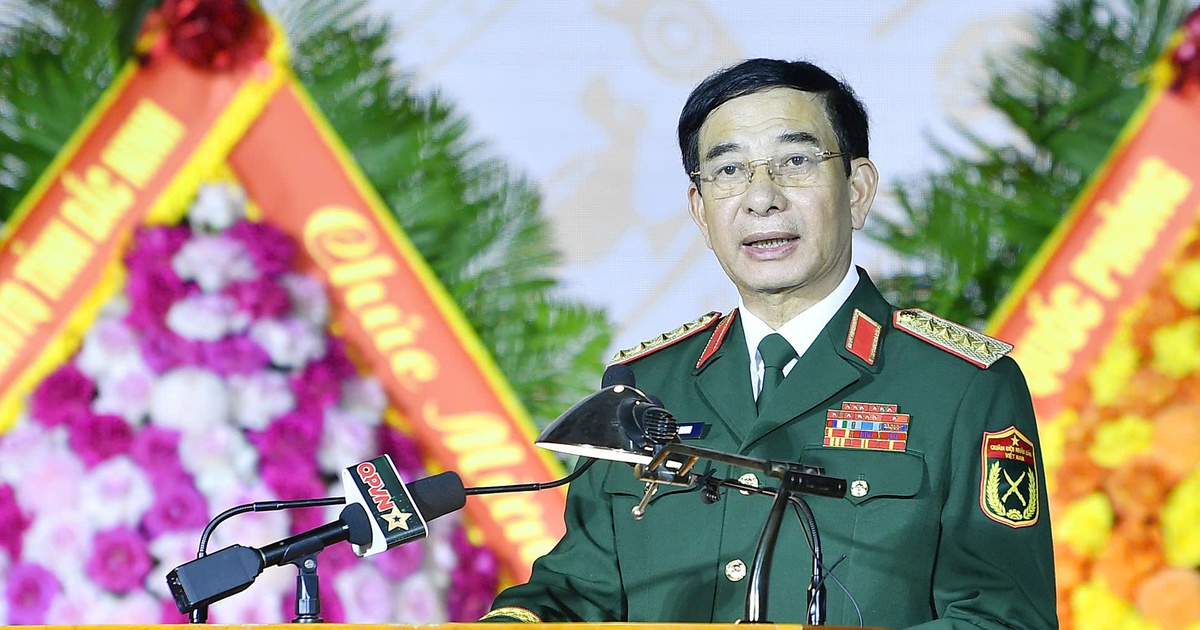
The establishment of this department represents a significant shift in the administrative hierarchy of the Vietnamese military. By placing the unit directly under the General Staff, the Ministry of National Defense ensures that unmanned aerial, ground, and maritime vehicle operations are integrated directly into the core strategic planning and command-and-control apparatus of the army. This centralization is designed to streamline the procurement, deployment, and tactical application of unmanned systems across all branches of service.
During the announcement ceremony, General Phan Van Giang, Deputy Prime Minister and Minister of National Defense, presented the “Determined to Win” military flag to the new department and its subordinate brigades. According to VnExpress, the minister emphasized that the unit’s creation aligns with global military science trends and is essential for maintaining a flexible, modern defense posture. The presentation of the military flag serves as a formal recognition of the department’s status and its readiness to begin active service within the military structure.
Operational Goals and Leadership Directives
The leadership of the new department is tasked with immediate organizational stabilization. Colonel Nguyen Van Truong has been appointed as the Director of the Department of Unmanned Vehicles. Tuoi Tre reports that General Phan Van Giang instructed the department to prioritize the development of a legal framework for the management of unmanned systems across the entire military and nationwide. This mandate acknowledges that as unmanned technologies proliferate, clear regulatory guidelines are required to manage airspace, operational protocols, and safety standards.
- Coordinate with functional agencies to manage personnel and technical equipment.
- Establish comprehensive regulations on functions, tasks, and operational authority.
- Maintain strict discipline and ensure the absolute safety of weapons and technical equipment.
- Build a clean and strong party organization that is “mẫu mực, tiêu biểu” (exemplary and typical), as noted in the Báo Thanh Niên coverage of the event.
Future Combat Readiness and Technology Integration
The department’s primary mission involves mastering modern technology and integrating unmanned systems into joint combat operations. Colonel Nguyen Van Truong confirmed that the unit will focus on training personnel to operate advanced equipment while collaborating with local and regional units to refine combat plans. This approach is intended to ensure the military remains prepared to respond effectively to high-tech warfare challenges.
The integration of unmanned vehicles is widely recognized in military circles as a critical component of modern defense modernization. By focusing on both the hardware and the regulatory framework, the department aims to create a sustainable ecosystem for unmanned technology. This includes not only the procurement of platforms but the institutionalization of training, maintenance, and tactical doctrine that allows these systems to operate effectively alongside traditional infantry, armor, and naval forces.
“The unit will focus on consulting on the development planning, equipment, and building a legal framework for managing unmanned vehicles throughout the army and nationwide.”
Colonel Nguyen Van Truong, Director of the Department of Unmanned Vehicles, via Báo Thanh Niên
Beyond technical mastery, the Ministry of National Defense has directed the department to prioritize the welfare of its personnel. The command is expected to monitor the aspirations of its troops and propose specific policies to the Central Military Commission to ensure that soldiers remain committed to their long-term duties. As the department begins its operations, it remains under the direct oversight of the General Staff, serving as a pillar for Vietnam’s strategic military modernization efforts through the end of the decade.
Contextualizing the National Defense Modernization
The creation of the Department of Unmanned Vehicles is part of a broader trajectory for the Vietnam People’s Army, which has been undergoing significant structural reforms as outlined in its long-term modernization roadmap. The focus on high-tech warfare reflects a global shift observed in various theaters of conflict, where the utility of unmanned aerial and ground systems has become increasingly central to surveillance, reconnaissance, and strike capabilities.

In the context of the Vietnam People’s Army, this evolution involves transitioning from traditional, human-centric combat models to digitized and automated environments. The General Staff’s role in this transition is critical, as it bridges the gap between high-level political directives from the Politburo and the tactical implementation on the ground. By establishing this dedicated department, the military is creating a centralized hub for expertise that can disseminate best practices, manage technical procurement pipelines, and ensure that the integration of these new systems does not compromise the operational cohesion of existing military units.
The emphasis on building a legal framework, as highlighted by General Phan Van Giang, underscores the complexity of modern military administration. Managing unmanned systems involves not only physical hardware but also the software, cybersecurity, and frequency management required to operate in contested environments. As the department moves forward, its success will be measured by its ability to harmonize these technical requirements with the established doctrines of the Vietnam People’s Army, ensuring that the modernization of the force remains consistent with the broader strategic objectives of national defense and sovereignty protection.
Find more reporting in our News section.
