
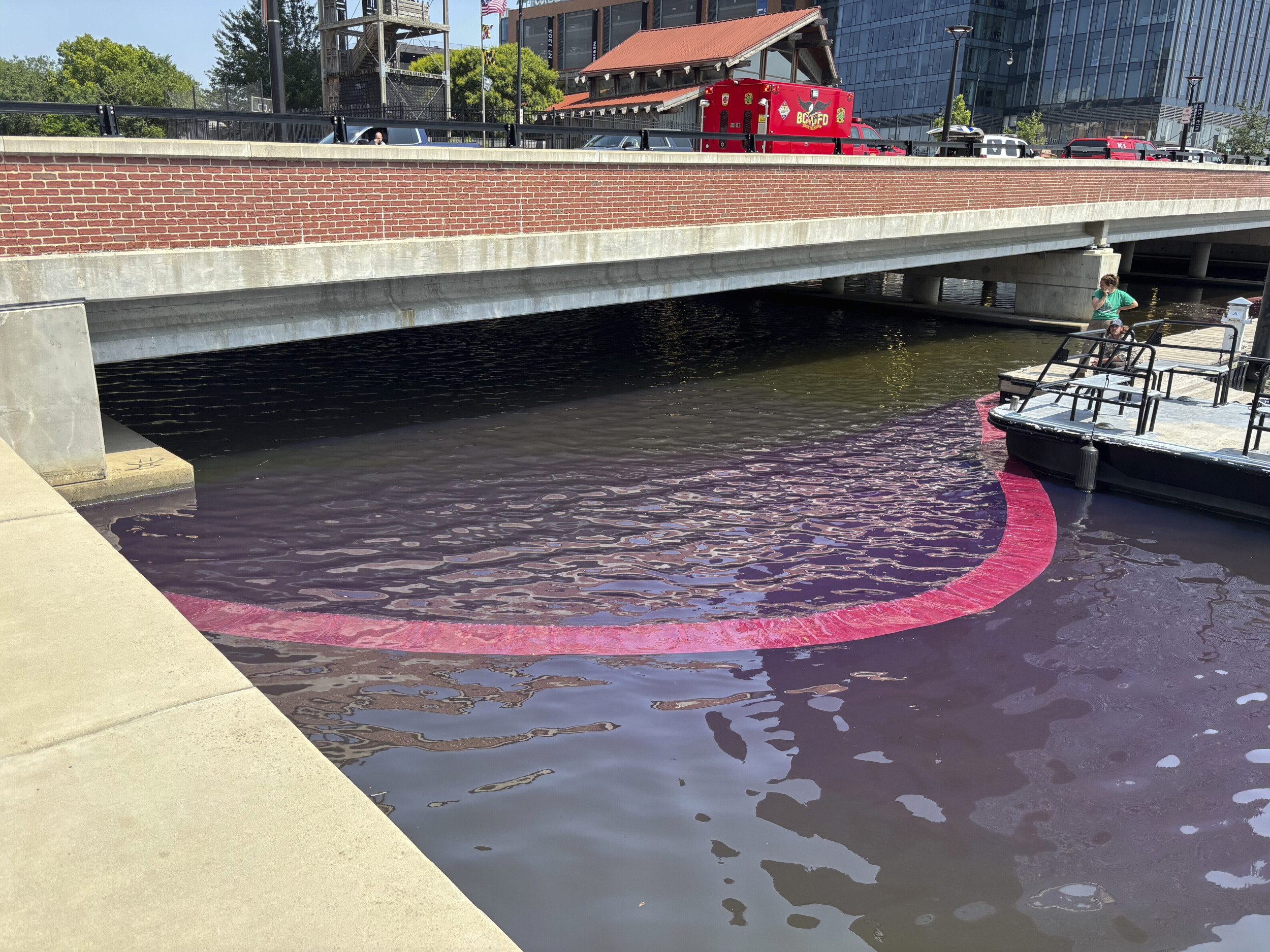
Recent events like the Baltimore diesel spill highlight the urgent need to improve how we handle environmental disasters. This article explores future trends in environmental disaster response, examining innovative strategies for prevention, rapid action, and long-term impact mitigation. Discover how advanced technologies and proactive measures can safeguard our ecosystems and communities from future environmental catastrophes.
Future Trends in Environmental Disaster Response: Lessons from the Baltimore Diesel Spill
Table of Contents
The recent diesel fuel spill in Baltimore’s harbor serves as a stark reminder of the environmental risks we face and the critical need for robust disaster response strategies. As a journalist covering environmental issues, I’ve observed firsthand the evolution of these responses. Let’s delve into the potential future trends emerging from incidents like this, focusing on prevention, response, and long-term impact mitigation.
Proactive Prevention: The First Line of Defence
The Baltimore spill,originating from Johns Hopkins Hospital,highlights the importance of proactive measures. Future trends will likely emphasize:
- Advanced Monitoring Systems: Real-time monitoring of infrastructure, using sensors and AI to detect leaks and potential failures before they escalate. Imagine a network of sensors constantly checking pipelines and storage tanks.
- Enhanced regulations and Compliance: Stricter regulations and regular inspections for facilities handling hazardous materials. This includes updated safety protocols and emergency response plans.
- Investment in Infrastructure: Upgrading aging infrastructure to prevent spills. This involves replacing old pipes, tanks, and systems with more resilient and sustainable alternatives.
Did you know? The cost of cleaning up environmental disasters often far exceeds the cost of preventative measures. Investing in prevention is not just environmentally sound; it’s economically prudent.
Rapid Response: Speed and Efficiency are Key
The speed of the response in Baltimore, with the deployment of containment booms and skimming operations, is crucial. Future trends will focus on:
- Advanced Containment Technologies: Development of more efficient and effective containment methods, such as advanced boom designs and rapid deployment systems.
- Remote Sensing and Drones: Utilizing drones and satellite imagery for rapid assessment of spill extent and impact. This allows for quicker and more informed decision-making.
- AI-Powered Response Coordination: Implementing AI-driven systems to coordinate emergency responses, optimizing resource allocation, and improving communication between agencies.
pro Tip: Effective communication is vital during a crisis. Clear, concise, and timely information to the public can mitigate panic and ensure cooperation.
Long-Term Impact mitigation: Protecting Ecosystems and Communities
Beyond immediate containment, the long-term effects of a spill require careful management. Future trends will include:
- Advanced Cleanup Technologies: Development of innovative cleanup methods, such as bioremediation (using microorganisms to break down pollutants) and advanced filtration systems.
- Ecological Restoration: Extensive plans for restoring affected ecosystems, including habitat restoration and wildlife rehabilitation.
- Community Resilience: Building community resilience through education, preparedness programs, and support for affected populations.
Case Study: Following the Deepwater Horizon oil spill, significant efforts were made to restore the Gulf Coast ecosystem, including large-scale habitat restoration projects.
FAQ: Addressing common Concerns
Here are some frequently asked questions about environmental disasters and their management:
Q: How can we prevent future spills?
A: Through advanced monitoring, stricter regulations, and infrastructure upgrades.
Q: What are the most effective cleanup methods?
A: A combination of containment, skimming, and advanced technologies like bioremediation.
Q: How can communities prepare for environmental disasters?
A: Through education, preparedness programs, and community support networks.
The Road Ahead
The Baltimore diesel spill underscores the need for continuous betterment in environmental disaster response. By embracing these future trends,we can better protect our ecosystems,communities,and economies. The key lies in a proactive, coordinated, and technologically advanced approach.
What are your thoughts on these trends? Share your comments and insights below. Let’s work together to build a more resilient future.
