
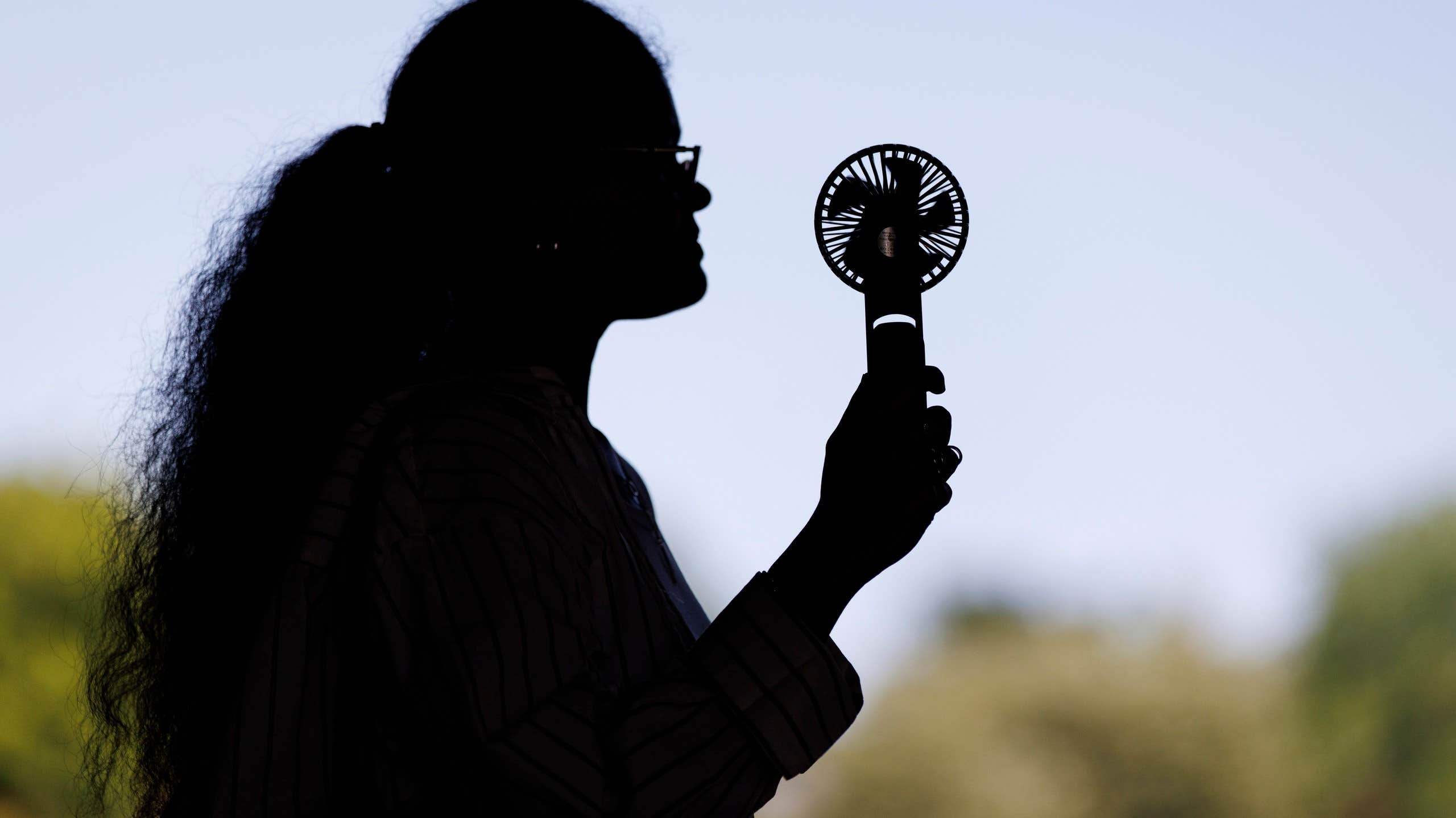
A brutal, record-breaking heatwave is sweeping across Europe, with temperatures soaring to 35.1 degrees Celsius in London and exceeding 35 degrees in parts of France. The extreme weather, driven by a persistent “heat dome,” has already resulted in at least a dozen deaths across the continent as authorities warn of further potential spikes.
The Anatomy of a Continental Heat Dome
The current weather crisis is the result of a concentrated high-pressure system, colloquially known as a heat dome, which has trapped warm air originating from Morocco over much of the European landmass. According to reporting from Expressen, the phenomenon has caused weather maps to glow in deep orange, signaling an unusually early and intense start to the summer season. The European Centre for Medium-Range Weather Forecasts (ECMWF) has indicated that the ridge of high pressure is characterized by an unusual “omega block” pattern, which effectively stalls the movement of the heat mass, preventing cooler air from the Atlantic from moderating temperatures over Western Europe.
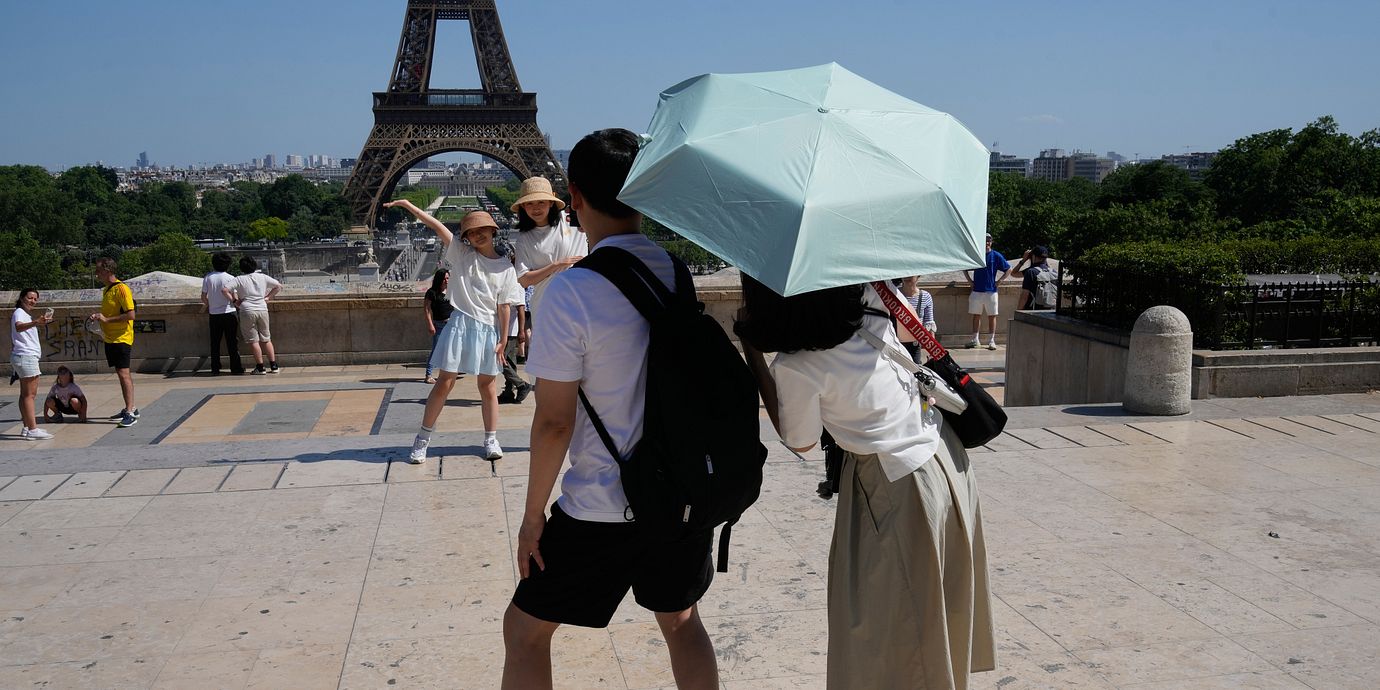

In France, the impact has been widespread, with more than 350 cities recording their highest-ever temperatures for the month of May. The French meteorological agency, Météo-France, has issued an orange alert—the second-highest level of warning—across 13 western departments. Authorities there have explicitly warned that local temperatures could climb toward 40 degrees Celsius as the week progresses. The French Ministry of Health has activated the “Plan Canicule” (Heatwave Plan), mandating that regional prefects mobilize local social services to conduct wellness checks on elderly and vulnerable populations, particularly those living in urban “heat islands” where concrete density exacerbates nighttime temperature retention.
Escalating Fatalities and Public Safety Risks
The human cost of this heatwave has become immediately apparent, with officials reporting multiple fatalities linked to the extreme conditions. In the United Kingdom, Svenska Dagbladet notes that at least five weather-related deaths have occurred since the weekend, all involving drownings. Among the victims were four teenagers. The UK Health Security Agency (UKHSA) issued a yellow alert for heat-health, advising that the risk of heatstroke and dehydration is significantly heightened for those participating in outdoor activities near open water bodies.
The situation is similarly grave in France. Government spokesperson Maud Bregeon stated that at least seven deaths have been attributed to the heat, a figure that includes five drownings and two fatalities occurring during organized sports competitions, as detailed in coverage by the Associated Press. The French Ministry of Sports has issued guidance to regional federations recommending the suspension of outdoor training sessions during peak sun hours, typically between 12:00 PM and 6:00 PM, citing the increased cardiovascular stress placed on athletes.
Record-Shattering Temperatures in London and Beyond
London has found itself at the epicenter of the British heatwave, with Kew Gardens in the western part of the city recording a new May temperature record of 35.1 degrees Celsius on Tuesday. This followed a previous record of 34.8 degrees set just one day earlier, on Monday, according to Omni. The Met Office has noted that these figures represent a departure from the 1991–2020 climate average for May by nearly 12 degrees Celsius in some southern counties, prompting rail operators to impose speed restrictions to prevent tracks from buckling under thermal expansion.
The trend is consistent across the continent. In Spain, the city of Sevilla experienced temperatures reaching 38 degrees Celsius over the weekend. Rubén del Campo, a representative for the Spanish meteorological agency Aemet, emphasized the longevity of the event in an interview with The Guardian, noting that the extreme heat is expected to persist through the end of the week. Aemet has additionally warned of a “calima” event—a dust cloud blowing in from the Sahara—which is expected to further degrade air quality in the Iberian Peninsula, complicating respiratory conditions for those already struggling with the heat.
The Climate Connection and Future Outlook
As the heat dome holds steady, climatologists are pointing to the broader context of a warming planet. Peter Thorne, director of the Icarus climate research center, stated:

“It stands beyond all reasonable doubt that heatwaves like this have become more common and more extreme because of climate change that is caused by our emissions.” — Peter Thorne, Icarus climate research center, via Omni
The World Meteorological Organization (WMO) has corroborated these concerns, noting that the frequency of such early-season heatwaves in Europe has tripled since the 1980s. The WMO has called upon European governments to synchronize their cross-border emergency protocols, as the heatwave is expected to move eastward toward Germany and Poland by the weekend. In Brussels, the European Commission has convened an ad-hoc meeting of the Civil Protection Mechanism to discuss potential power grid instabilities, as energy demand for cooling systems surges across the continent’s interconnected electricity networks.
The forecast for the remainder of the week offers little relief. Meteorologists in both Spain and France have indicated that they cannot rule out temperatures reaching 40 degrees Celsius in localized areas. For residents in the affected regions, this means the current state of emergency—marked by orange alerts and public safety warnings—is likely to continue at least until the weekend. Regional authorities in Italy have also begun monitoring water levels in the Po River basin, expressing concern that the combination of low rainfall and high evaporation rates could trigger agricultural drought conditions earlier than anticipated this year.
While the heatwave dominates the headlines, local authorities are simultaneously managing unrelated public safety incidents. In Sweden, police in Skarpnäck, Stockholm, reported that they had arrested “ett flertal personer” (a number of people) following an incident of physical assault, as noted by Aftonbladet. These parallel events serve as a reminder that even during extreme climate-driven crises, the routine pressures of urban safety and emergency services continue to demand resources. Swedish authorities have noted that police departments are currently operating under heightened stress as they attempt to balance the management of public order with the logistical strain of supporting heat-stressed citizens in urban centers.
