
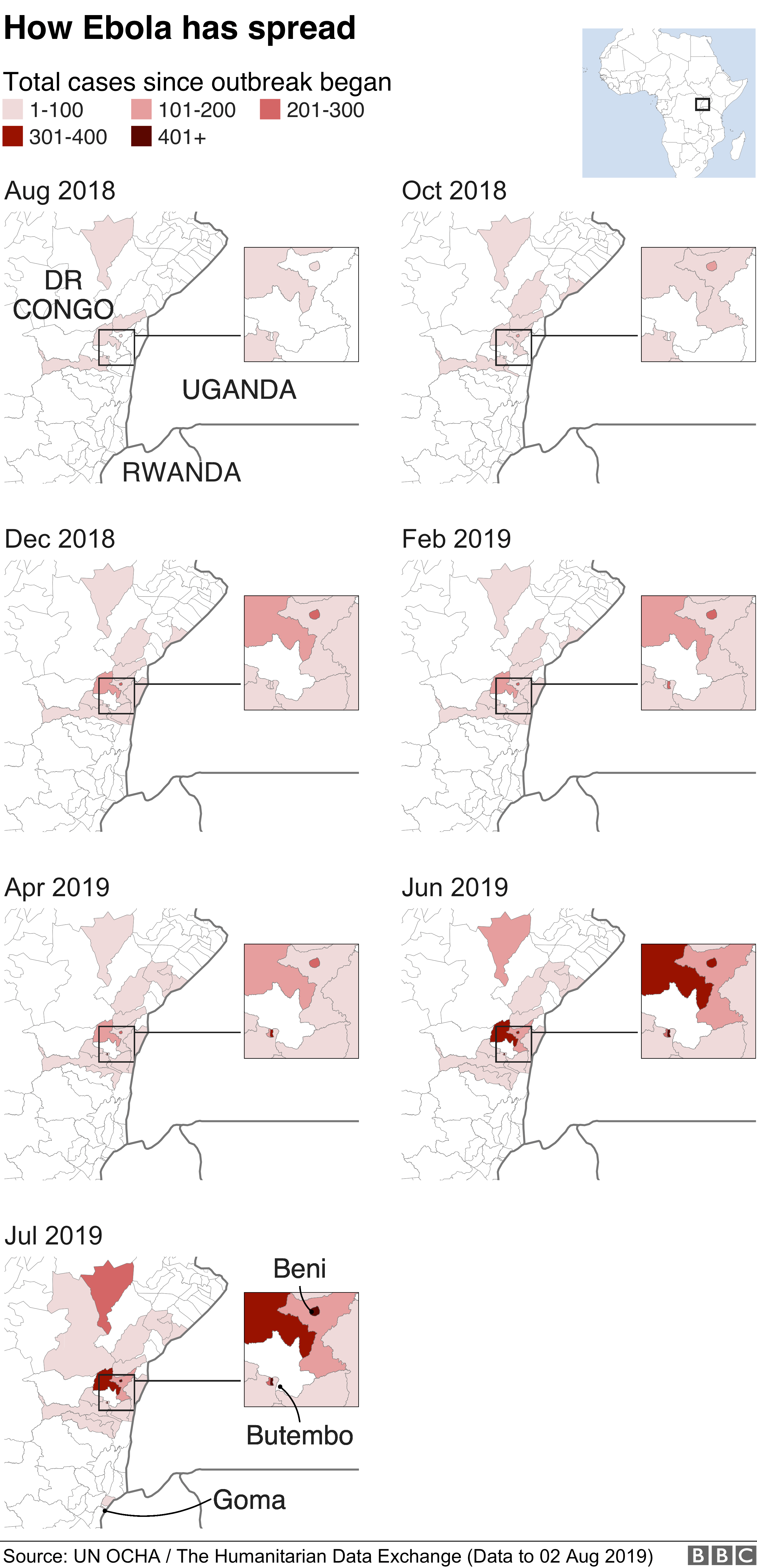
An Ebola outbreak in the Democratic Republic of the Congo has resulted in at least 136 deaths and over 514 suspected cases, according to World Health Organization reports as of May 19, 2026. Health officials warn the virus may be spreading faster than initial models suggested, with concerns mounting over potential under-detection in the region.
The current Ebola outbreak in the Democratic Republic of the Congo (DRC) is presenting significant challenges for containment, with international health authorities signaling that the true scale of the transmission may exceed earlier estimates. While official reports confirm 136 fatalities, the World Health Organization (WHO) has highlighted the possibility that the virus is moving through affected communities at a rate that warrants heightened vigilance.
Escalating Transmission Concerns in Ituri Province
The epicentre of the current crisis is located in the northeastern province of Ituri. Reports from the region describe a climate of fear among local residents, who are struggling to access basic protective supplies. The WHO has indicated that as investigations into the outbreak continue, the geographical footprint of the virus appears to be expanding into areas previously considered at lower risk.
One death has also been confirmed in neighbouring Uganda, raising concerns about the potential for cross-border transmission. Modelling data released this week by the London-based MRC Centre for Global Infectious Disease Analysis suggests that the current outbreak is likely larger than the 514 suspected cases currently identified. The researchers noted that there has been substantial
under-detection of cases and stated that they could not rule out that the total number of infections has already surpassed 1,000.
The MRC Centre for Global Infectious Disease Analysis, which provides critical epidemiological modelling to international health organizations, has emphasized that the transmission dynamics in the DRC are complicated by the mobility of the local population and the difficulty of conducting contact tracing in areas with limited infrastructure. Their assessment, which relies on the surveillance data provided by the WHO and local health ministries, serves as a warning that current reporting lags behind the actual viral progression.
Challenges in Community Protection
For those living in the affected zones, the primary defense remains limited to basic hygiene practices. Residents have reported attempting to mitigate risk by washing hands with clean water, yet there is a widespread desire for more advanced protective gear, such as face masks.
For more on this story, see WHO Warns Ebola Spread Faster Than Estimated-Sudan, Bundibugyo Strains Lack Vaccines.
The more the UN agency investigates the outbreak, the clearer it becomes cases have spread to other areas.
Dr. Anne Ancia, World Health Organization
Local accounts underscore the psychological toll of the epidemic. One resident of Ituri, identified as Bigboy, described the rapid progression of the illness among the infected, noting that the community feels both vulnerable and uncertain regarding the necessary steps to protect family members who might show symptoms. The challenge of community engagement is further exacerbated by the stigma associated with the disease, which often leads to families concealing infected individuals from health teams, thereby hindering medical intervention and increasing the risk of household transmission.
Clinical Context and Disease Characteristics
Ebola disease is caused by an infection with an orthoebolavirus, a group of viruses first discovered in the Democratic Republic of the Congo in 1976. These viruses are primarily found in sub-Saharan Africa and are associated with high mortality rates, which can reach 80 to 90 percent in untreated cases.
The disease typically begins with “dry” symptoms, including fever, fatigue, and muscle pain. As the infection progresses, it often shifts to “wet” symptoms, which may include vomiting, diarrhea, and unexplained internal or external bleeding. The onset of these symptoms generally occurs between two days and three weeks after exposure. During the clinical course, patients may also experience severe dehydration and hypotension, necessitating prompt medical attention to manage fluid and electrolyte balances.
While there is an FDA-approved vaccine available for the prevention of the Ebola virus—specifically the species Orthoebolavirus zairense—the logistical hurdles of deployment in remote or conflict-affected areas remain a persistent issue for healthcare providers. The vaccine requires a rigorous cold chain, which is difficult to maintain in the tropical climate of the Ituri province. Treatment primarily consists of supportive care to manage complications such as shock resulting from fluid loss. Clinical facilities in the region are currently working to scale up the availability of intravenous fluids and experimental therapeutics, though the demand continues to outstrip the available supply.
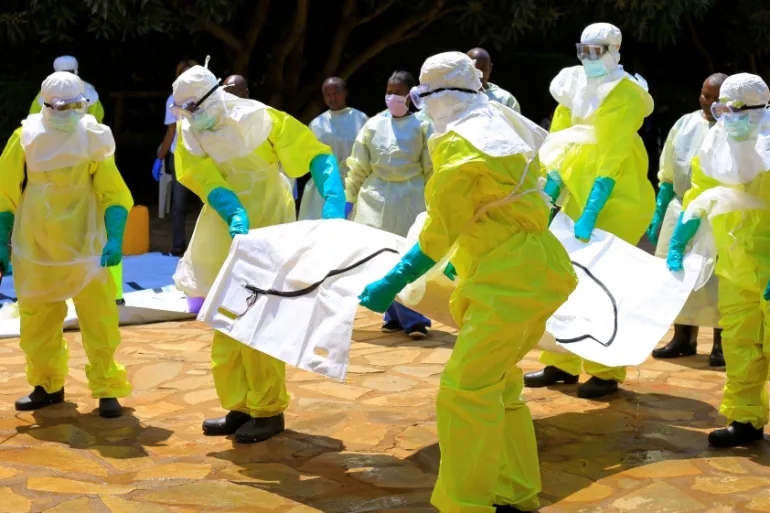
The medical community emphasizes that the prognosis is highly dependent on the viral species involved and the timing of clinical intervention. In addition to the Orthoebolavirus zairense, three other types are known to cause human illness: Sudan virus, Taï Forest virus, and Bundibugyo virus. Researchers are currently conducting genomic sequencing on samples from the current outbreak to determine the specific strain, which is essential for ensuring that the appropriate diagnostic tests and potential vaccine strategies are utilized.
Public health experts continue to urge those in affected regions to follow official guidance regarding screening, testing, and infection control. If you or someone you know is experiencing symptoms consistent with viral hemorrhagic fever, consult your healthcare provider immediately. It is essential to rely on information provided by recognized health ministries and the WHO to ensure that health decisions are based on accurate data rather than community rumors or unverified reports.
