
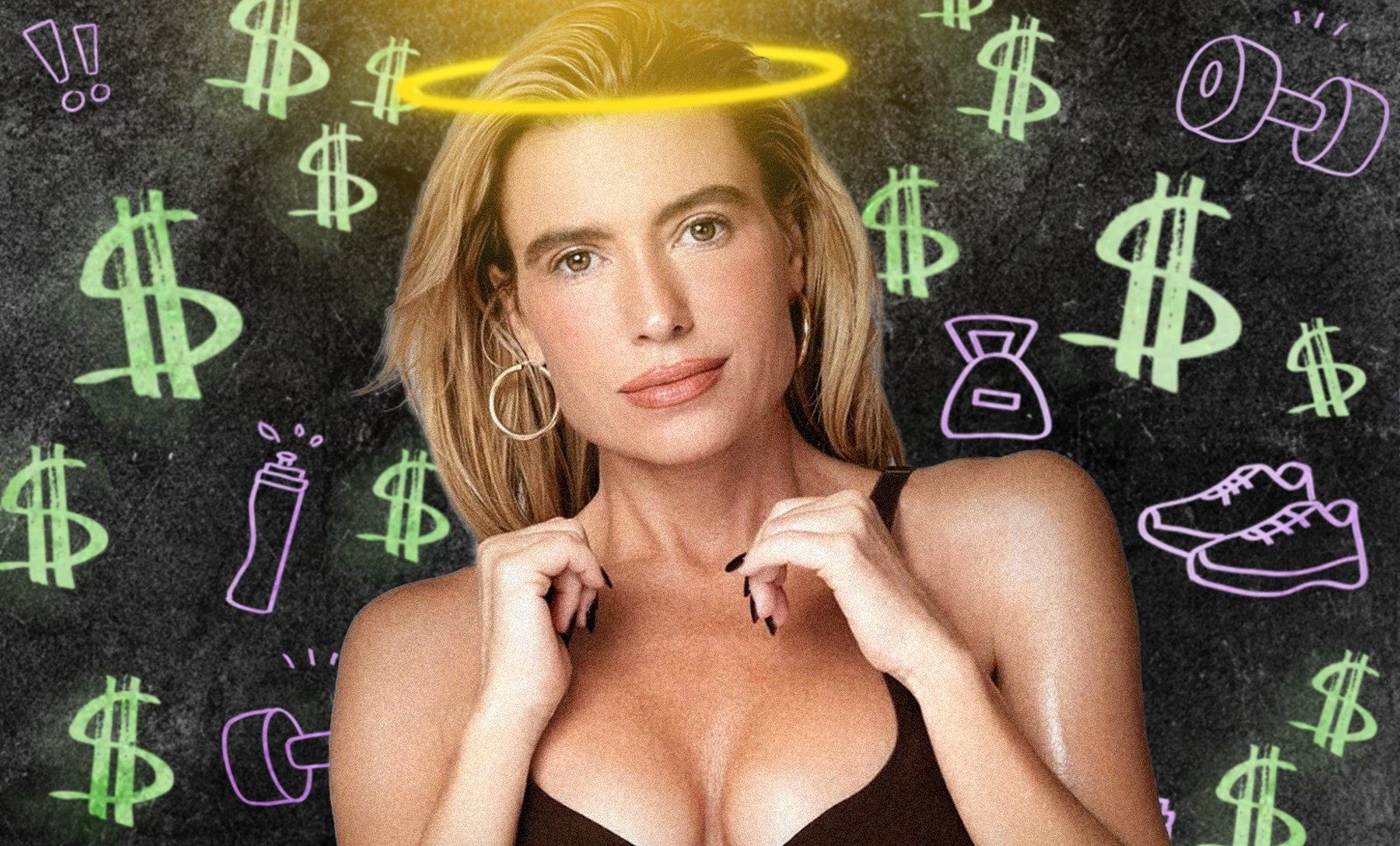
Tracy Anderson’s Fitness Empire: A $100 Million Business Built on ‘Revolutionary’ Exercise
Fitness luminary Tracy Anderson has cultivated a highly lucrative and increasingly influential fitness empire, reaching a reported $100 million in revenue through a combination of exclusive studio classes, online subscriptions, and branded merchandise.
Anderson’s signature method, described as a blend of Pilates and dance with over 200,000 unique movements, is practiced at her studios – including a London location beneath The Berkeley hotel – and accessed by over a million followers on Instagram. The approach emphasizes a specific aesthetic – “carved, hollow, and busty” – and has attracted a clientele including celebrities like Gwyneth Paltrow, Madonna, and Jennifer Lopez. Classes are known for their intensity, with studios heated to 90 degrees Fahrenheit, and a strict “no talking” rule during workouts.
The business model has evolved beyond traditional fitness offerings, incorporating tiered memberships, specialized equipment like “heartstone weights” and bands, and even a recent announcement of “TracyFest,” a one-day event in Florida with tickets costing $500, plus additional costs for accompanying workouts. This reflects a broader trend in the wellness industry, where exercise has become increasingly positioned as a luxury product, and a status symbol. The rise of these premium fitness offerings coincides with a significant increase in women’s financial power; by 2023, women controlled an estimated $10 trillion in the United States, a figure projected to reach $30 trillion by 2030, according to McKinsey & Company.
Anderson’s success builds on a history of female fitness innovators, from Lotte Berk’s ballet barre in the 1950s to Jane Fonda’s aerobics videos in the 1980s, but distinguishes itself through the leveraging of the internet and social media. The company has faced past accusations of fostering a “toxic culture” from former trainers, mirroring challenges experienced by other “capitalist feminist” figures during the pandemic. This trend highlights the complex intersection of wellness, consumerism, and social responsibility in the modern fitness landscape – a topic explored further in this article about the wellness industry trends.
Anderson’s team did not provide specific figures on class attendance, but indicated continued growth and expansion of the “TAMILY” – the community surrounding her brand – with plans for further events and product launches in the coming months.
