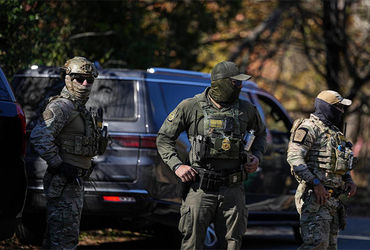
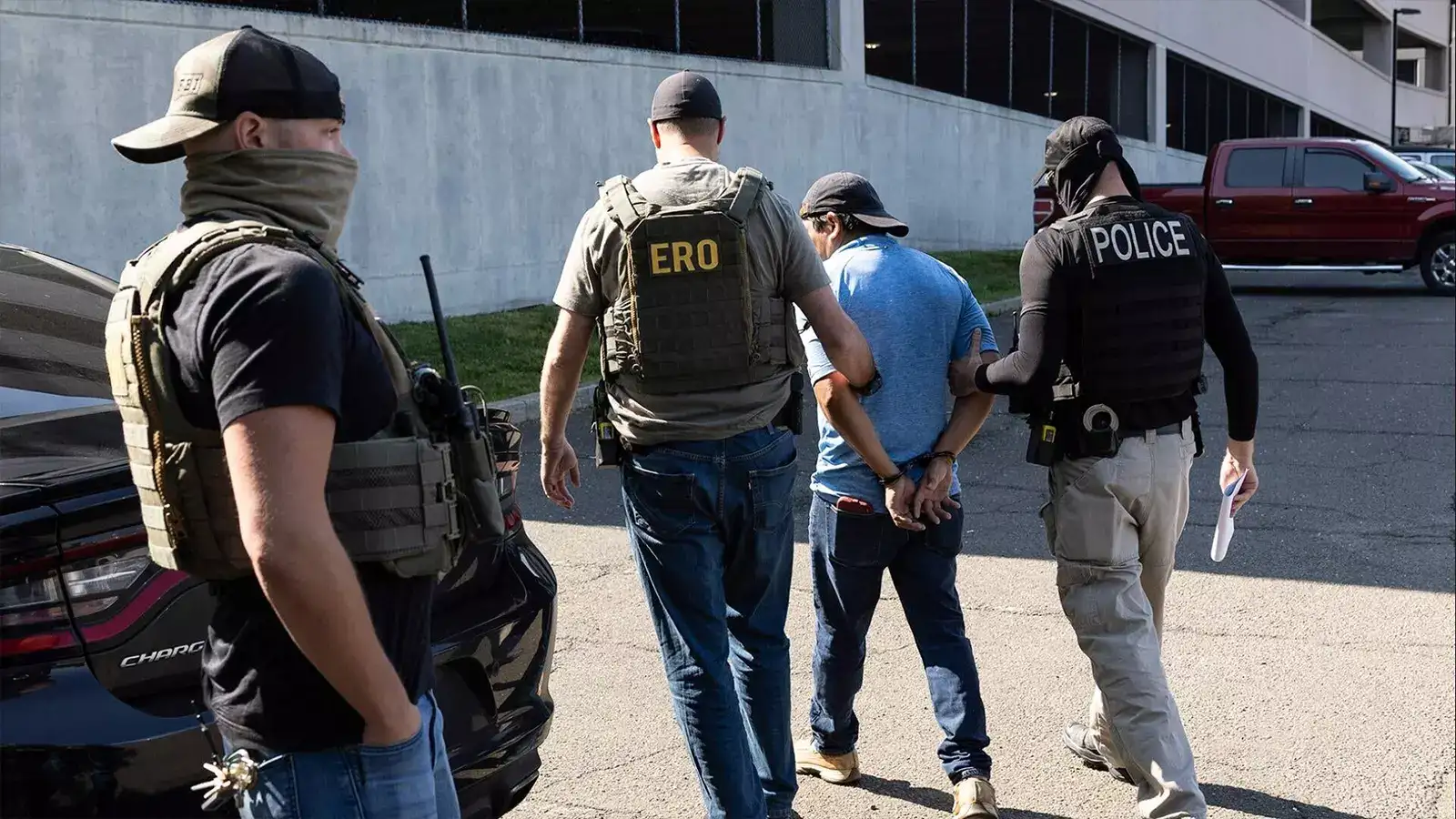
United States border authorities arrested 30 Indian nationals between November 23 and December 12, as part of an interagency operation targeting individuals residing illegally in the country and operating commercial vehicles. The enforcement actions took place across California, where federal agents identified dozens of individuals utilizing commercial driver’s licenses to conduct interstate travel without legal status.
Interagency Enforcement and Commercial Transport
The recent crackdown, coordinated by the U.S. Customs and Border Protection (CBP), centered on immigration checkpoints and specific vehicle stops. While the operation resulted in the arrest of 42 undocumented individuals in total, the majority—30 in all—were Indian citizens. The remaining detainees included migrants from El Salvador, China, Haiti, Honduras, Mexico, Russia, Somalia, Turkey, and Ukraine.
Indian truck drivers El Salvador
According to IAMGujarat, the investigation highlighted a growing trend of individuals without valid immigration status obtaining commercial driver’s licenses to operate semi-trucks. These drivers were intercepted while engaging in interstate travel. The California Border Patrol, particularly within the El Centro sector, led the interagency effort to verify the status of these operators, uncovering that the state had issued 31 commercial licenses to individuals later found to be in the country illegally.
cluster (priority): iamgujarat.com
Official records from the Department of Homeland Security (DHS) indicate that this operation was part of a broader push to audit the Commercial Driver’s License (CDL) issuance process. CBP officials noted that the interagency task force cross-referenced state-issued commercial credentials against the Systematic Alien Verification for Entitlements (SAVE) database. This digital audit revealed that while some individuals had entered the country on valid visas that subsequently expired, others had obtained credentials through fraudulent documentation, such as falsified Social Security numbers or residency permits.
The California Department of Motor Vehicles (DMV) has not yet issued a formal statement regarding the technical failure that allowed individuals without verified legal status to secure CDLs, though state authorities have confirmed they are cooperating with federal subpoenas. Regional trucking associations have expressed concern over the “patchwork” nature of state licensing requirements, which federal officials argue created a vulnerability that was exploited by those residing illegally in the U.S. to gain employment in the high-demand logistics sector.
Fatal Incident in Southern California
The broader scrutiny of commercial transport in California follows a specific, lethal incident in the southern part of the state. Authorities identified a 21-year-old Indian national, Jasanpreet Singh, as the driver responsible for a collision on a San Bernardino County freeway. The crash involved a semi-truck striking multiple vehicles, including an SUV, resulting in three fatalities.
As reported by Sandesh, the incident was captured by the truck’s dashcam, which showed the vehicle failing to slow down before colliding with traffic. Following the crash, the U.S. Department of Homeland Security (DHS) confirmed that Singh did not possess a valid immigration status in the United States.
“તેને હોસ્પિટલમાં લઈ જવામાં આવ્યો હતો, અને તબીબી તપાસમાં પુષ્ટિ મળી છે કે તે નશામાં હતો.” (He was taken to the hospital, and medical examination confirmed that he was intoxicated.)
Illegal Indian Truck Drivers Arrested in U.S | Indians Abroad
Rodrigo Jimenez, California Highway Patrol officer
Police investigators stated that the driver was not only operating the vehicle without legal authorization but was also under the influence of drugs at the time of the collision. This case has intensified the focus on the oversight of commercial drivers who lack proper documentation. The San Bernardino County District Attorney’s Office is currently reviewing charges of vehicular manslaughter and driving under the influence (DUI) against Singh. Court records show that Singh remains in custody, with an immigration detainer lodged against him by U.S. Immigration and Customs Enforcement (ICE), which precludes his release even if bail were to be posted in the criminal matter.
The incident has drawn sharp criticism from local advocacy groups and trucking safety organizations, who have demanded an immediate overhaul of how the Federal Motor Carrier Safety Administration (FMCSA) verifies the identity of CDL applicants. Critics argue that the current system relies too heavily on self-attestation of legal status at the state level, creating a “loophole” that federal authorities are only now addressing through targeted enforcement operations.
Regulatory Implications and Future Oversight
The arrests reflect a hardening stance on immigration enforcement as federal agencies increase interagency cooperation to monitor commercial transit routes. The discovery that individuals without legal status had successfully secured commercial driving credentials has prompted a re-examination of licensing protocols in California. With the U.S. government continuing to prioritize the removal of undocumented individuals, the intersection of transportation safety and immigration policy remains a focal point for federal authorities.
cluster (priority): sandesh.com
Diplomatic channels between the U.S. and India have not yet publicly addressed the specific demographic trend of Indian nationals involved in these commercial transport arrests. However, the Indian Embassy in Washington has previously reiterated its cooperation with U.S. authorities regarding the verification of citizenship for individuals facing deportation. The U.S. State Department has not issued a formal diplomatic protest, but the frequency of these arrests in the California logistics corridor has been noted by the White House as a priority for the upcoming fiscal quarter’s interior enforcement strategy.
For the individuals apprehended between November and December, the immediate consequence is detention and the initiation of removal proceedings. The scale of the operation—targeting 49 individuals in total across the state—suggests a systematic effort by the U.S. government to mitigate risks posed by unauthorized commercial operators on interstate highways. As the investigation continues, state and federal officials are expected to maintain heightened oversight of commercial vehicle checkpoints to prevent further unauthorized operation of heavy-duty transport vehicles.
The El Centro sector of the Border Patrol has confirmed that it will continue to coordinate with the California Highway Patrol to conduct random “safety and compliance” stops, which serve as a dual mechanism for enforcing both traffic laws and federal immigration code. These stops are reportedly targeting major freight arteries, including the I-10 and I-15 corridors, which serve as primary routes for goods moving from the Port of Los Angeles to the rest of the country. Officials from the Department of Transportation have signaled that future federal funding for state licensing programs may be contingent upon the implementation of more robust, real-time identity verification systems integrated directly with federal law enforcement databases.
Bio:
John Smith is the World Editor at Headlinez.News, leading the global news desk and overseeing international correspondents. With 15 years of field experience across Europe, the Middle East, and Asia, John has reported from conflict zones, summits, and humanitarian missions. His deep understanding of geopolitical trends and cross-cultural reporting ensures that readers receive accurate, balanced perspectives on world events that shape the global narrative.
Expertise: International reporting, geopolitics, diplomacy, conflict journalism, foreign policy analysis.
Location: London, United Kingdom