
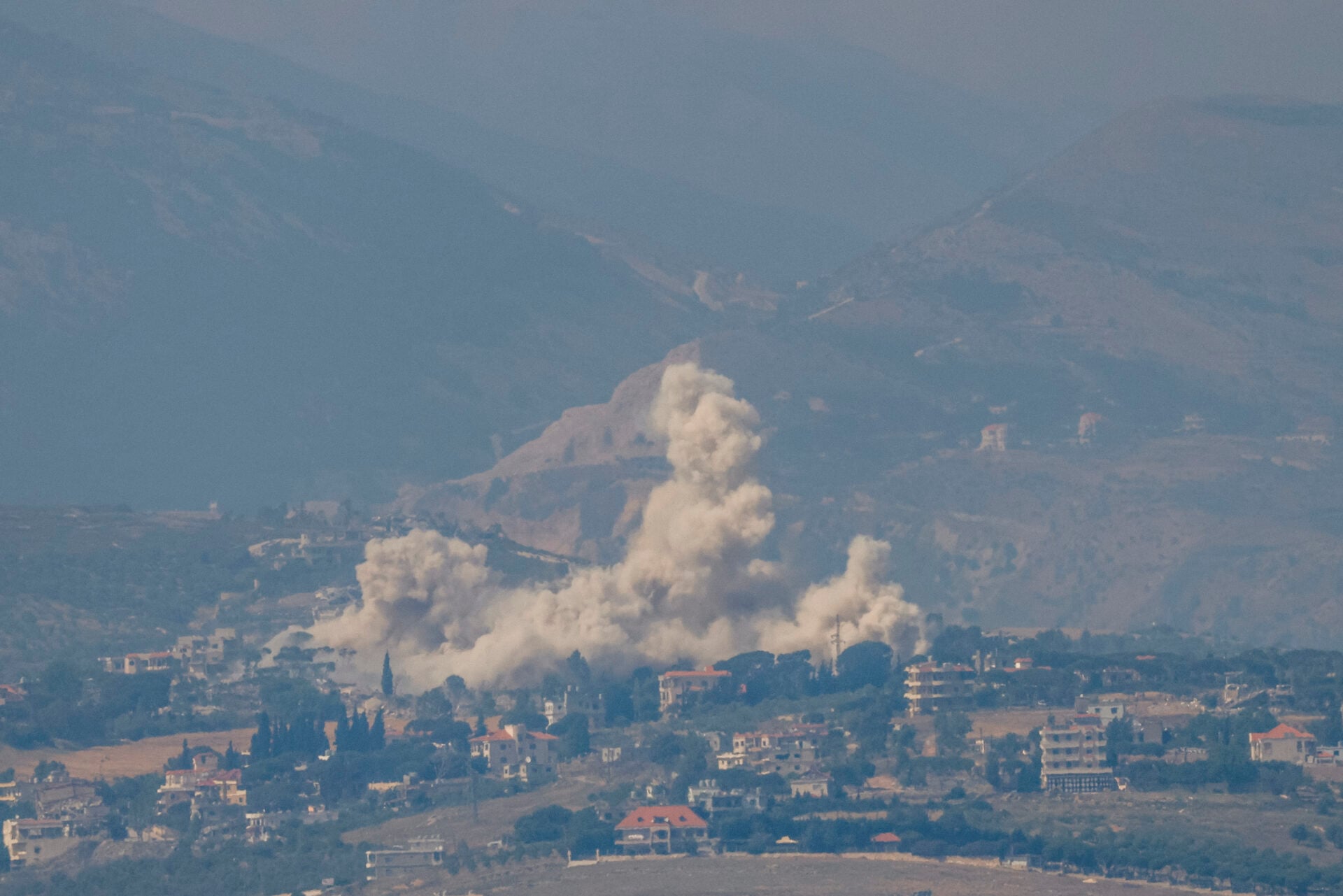
U.S. President Donald Trump claimed on June 1, 2026, that Israel and Hezbollah have reached a ceasefire, while Israeli forces advanced deep into Lebanon, capturing a historic fortress. The developments come amid conflicting reports of diplomatic progress and military escalation in the region.
Trump’s Claims of Ceasefire Agreement
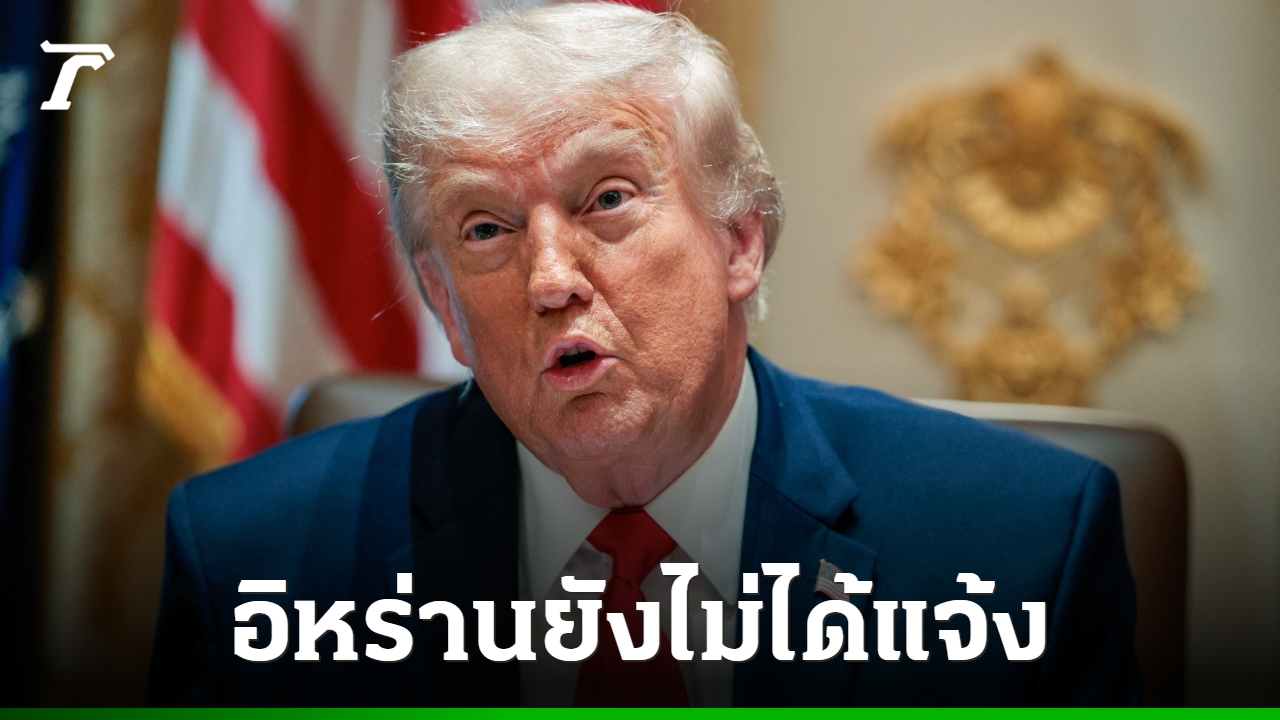
President Donald Trump asserted on June 1 that Israel and Hezbollah had agreed to end hostilities, citing a “good conversation” with Israeli Prime Minister Benjamin Netanyahu through unnamed intermediaries. The claim, shared on his social media platform, alleged that Netanyahu would halt military operations in Beirut, while Hezbollah would cease all attacks. However, sources suggest skepticism about the agreement’s durability. Reuters reported that Netanyahu’s office had not publicly confirmed the terms, raising questions about the ceasefire’s enforceability. Trump also claimed U.S.-Iran negotiations were “advancing rapidly,” though no official details were released.
According to news.google.com, Trump’s statements followed a period of stalled talks, exacerbated by Israel’s recent strikes on Lebanon. The U.S. president framed the agreement as a diplomatic breakthrough, but analysts noted the lack of transparency in the negotiations. “The absence of direct communication between the parties raises doubts about the deal’s legitimacy,” a foreign policy expert told ผู้จัดการออนไลน์.
Israel’s Military Advancement in Lebanon
Israeli forces achieved a significant military milestone by capturing the historic Beaufort Castle in southern Lebanon, marking their deepest incursion into the country in 26 years. The fortress, a strategic site near Nabatiye, was seized after days of intense clashes between Israeli troops and Hezbollah fighters. The operation, reported by ผู้จัดการออนไลน์, represents a shift in Israel’s approach to the conflict, which has been ongoing since Hezbollah’s March 2 attacks on northern Israel. The capture of Beaufort underscores Israel’s determination to disrupt Hezbollah’s cross-border operations and weaken its logistical networks.
France condemned the move, calling for an emergency UN Security Council meeting to address what it termed an “unacceptable” military operation. The European Union echoed concerns over the humanitarian fallout, with officials warning of escalating regional tensions. “This is a dangerous escalation that risks further destabilizing the Middle East,” a EU spokesperson said, per news.google.com.
U.S.-Iran Negotiations and Blockade Strategy
Trump also reiterated his administration’s stance on Iran, stating that the country had yet to formally suspend nuclear talks. “Iran hasn’t notified us of any pause in negotiations,” he said, according to Thairath.co.th. Despite this, Trump insisted the U.S. would maintain a “strong maritime blockade” until a favorable deal was reached. The blockade, which has targeted Iranian shipping in the Persian Gulf, has been a key leverage tool in U.S. negotiations with Tehran.
Analysts suggest the blockade’s prolonged use reflects Washington’s frustration with Iran’s refusal to compromise on nuclear enrichment limits. “The administration is betting that economic pressure will force Tehran to the table,” said a senior defense analyst, citing Thairath.co.th. However, critics argue the strategy risks provoking Iran into accelerating its nuclear program, further complicating regional security.
Escalation in Southern Lebanon and Civilian Impact
Israel’s military actions in southern Lebanon intensified on May 31, 2026, with air strikes targeting areas near the Hiram Hospital in Tyre. The attacks left at least 14 people injured, including medical staff and rescue workers, according to LINE TODAY. The hospital, a critical care facility, suffered severe damage, forcing the evacuation of patients and staff. A Lebanese civil defense official described the strikes as “reckless,” highlighting the growing humanitarian crisis in the region.

Israel’s military warned residents south of the Saqran River to evacuate immediately, as reported by LINE TODAY. Hezbollah responded by launching precision-guided missiles at Israeli armored vehicles in the village of Baida, marking a tactical shift in the group’s strategy. The exchange of fire underscores the fragile balance of power, with both sides seeking to assert dominance without triggering a full-scale war.
The situation remains volatile, with conflicting narratives from Washington, Tel Aviv, and Tehran. While Trump’s ceasefire claims offer a glimmer of hope, the persistence of military operations and the lack of verified diplomatic progress suggest the conflict is far from resolved. As the U.S.
