
Ghana’s Informal Economy Booms as Nation Recovers
Ghana is experiencing a surge in small-scale business activity, particularly in the informal sector, fueled by recent economic improvements including a strengthening cedi and reduced inflation.
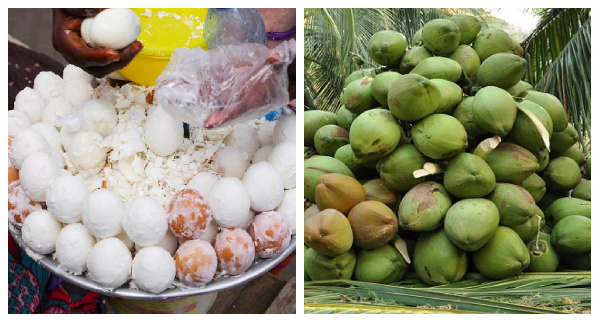
From Accra to Tamale, businesses like street food vendors selling kosua ne meko (boiled egg with pepper sauce) and fresh coconut sellers are seeing increased demand. The popular snack, now a national favorite, sells for between GH¢3 and GH¢5 and has even garnered international attention from outlets like The New York Times. The rise in these businesses signals a broader trend of economic resilience at the grassroots level.
The delivery sector, spurred by the pandemic, continues to thrive with high demand for courier services supporting both startups and individual entrepreneurs. Alongside this, Ghana’s digital creators are capitalizing on increased monetization opportunities on platforms like TikTok, Instagram, and YouTube, turning social media influence into viable careers. For more on Ghana’s economic outlook, see reports from the World Bank. Currency exchange services also remain active, catering to students, importers, and traders despite the cedi’s recent gains.
These developments demonstrate how innovation and adaptability are driving economic recovery within Ghana’s informal sector, providing income opportunities for thousands. Officials anticipate continued growth in these areas as consumer confidence further stabilizes.
