
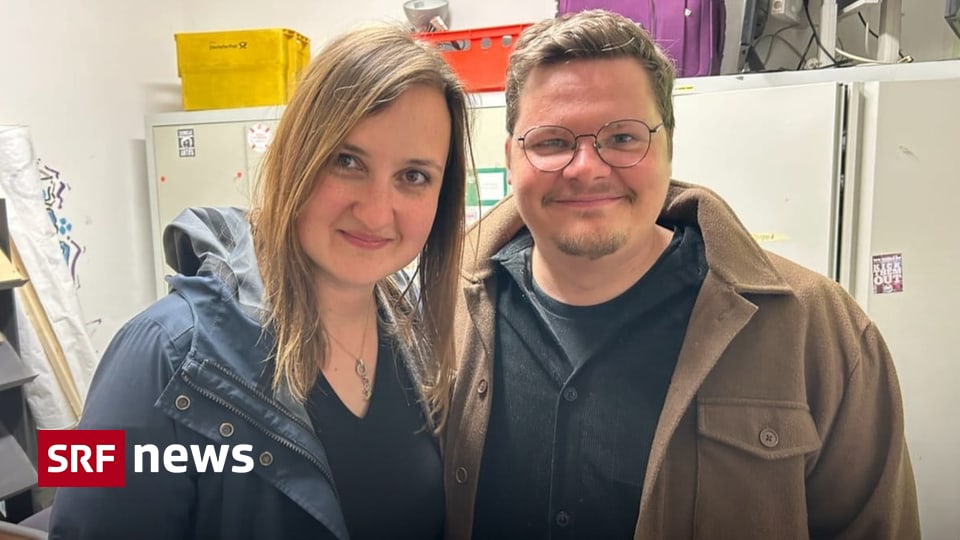
Two German teachers, Laura Nickel and Max Teske, have exposed the alarming reality of far-right extremism in German schools—where hate symbols, racist chants, and violent threats have become routine, yet systemic silence from school leadership and local authorities leaves vulnerable students and educators trapped in fear. Their public reckoning, detailed in a book released this week, reveals how a culture of complicity in regions like the AfD stronghold of Brandenburg has forced them to flee their own classrooms after years of isolation and threats.
Teachers as Whistleblowers: The Cost of Speaking Out
Laura Nickel and Max Teske arrived at their school in South Brandenburg expecting to teach—but instead found themselves immersed in a world where swastika graffiti reappeared overnight, foreign students faced daily intimidation, and colleagues turned a blind eye. Nickel described how students told her, “It’s not safe anymore—I don’t dare go to the bathroom alone.” Their attempts to address the problem were met with a “wall of silence” from administrators and local officials, forcing them to escalate their plea in a public letter dated April 23, 2023. The letter, which went viral, accused school leaders, regional education offices, and politicians of failing to act against “democracy-hostile structures” among students, parents, and even some staff.


“We experienced a wall of silence and a lack of support from school leadership, education authorities, and politicians in combating anti-democratic structures among students, parents, and even colleagues.”
—Anonymous public letter, April 23, 2023
Their letter sparked national outrage, with support pouring in from across Germany, including from the Federal President’s office. Yet in their own community—particularly in the AfD-dominated Spreewald region—they became pariahs. Nickel and Teske faced death threats, had their faces plastered on stickers with the message “Get lost to Berlin,” and were warned by state security officials to avoid predictable routines. “I was terrified for the students and my family,” Nickel recalled. “The threat level was so severe that we had to leave our homes.”
A Systemic Crisis: How Far-Right Ideology Infiltrates Schools
The experiences of Nickel and Teske are not isolated. As SRF reports, far-right extremism has become entrenched in German schools, particularly in eastern regions where the Alternative for Germany (AfD) holds significant influence. Teachers describe a culture where neo-Nazi slogans are sung in music classes, foreign students are targeted with racial slurs, and symbols of hate—like the Hitler salute—are openly displayed. The problem extends beyond physical violence: Nickel’s students told her they feared for their safety even in school bathrooms, while Teske encountered pupils who greeted him with the banned Nazi salute.
The silence from school leadership is as troubling as the extremism itself. Nickel and Teske’s attempts to report incidents were met with indifference or outright hostility. “We tried to chip away at the wall with a hammer,” Teske said, “but it only took a public outcry to make anyone listen.” Their story mirrors broader concerns raised by education officials and human rights groups, who warn that Germany’s schools are becoming breeding grounds for far-right radicalization—yet too often, administrators prioritize institutional reputation over student safety.
The Aftermath: Why These Teachers Had to Flee
Three years after their public letter, Nickel and Teske have published a book detailing their ordeal—a rare firsthand account of the human cost of Germany’s extremism crisis. Their decision to leave their jobs was not just about personal safety but about survival. “We couldn’t stay and watch children be terrorized while the system turned a blind eye,” Nickel said. The book, released this month, has reignited debates about how Germany’s education system can—and must—confront its far-right problem head-on.
Their case also raises uncomfortable questions about the role of local politics. The Spreewald region, where the AfD holds strong sway, has been identified as a hotspot for extremist activity. Nickel and Teske’s experience suggests that in areas where far-right parties dominate, schools may be failing to provide a safe environment for all students. The lack of accountability from regional education authorities has left teachers like them with no choice but to flee—or risk becoming targets themselves.
What Comes Next? The Fight for Accountability
The publication of Nickel and Teske’s book has put pressure on German authorities to address the crisis. Their story has been picked up by national media, and lawmakers are now calling for independent investigations into how far-right extremism is being allowed to fester in schools. The Federal President’s office, which publicly supported their cause in 2023, has yet to take concrete action—but the momentum may be building.
Yet challenges remain. The AfD and its allies continue to downplay the severity of the problem, framing concerns about extremism as “political overreach.” Meanwhile, school administrators in affected regions often lack the resources—or the will—to confront the issue. Nickel and Teske’s book serves as both a warning and a call to action: if Germany’s education system does not act decisively, the next generation may pay the price.
For now, the teachers are no longer in the classroom—but their story has ensured that the issue cannot be ignored. The question remains: will Germany’s schools finally break the wall of silence, or will the cycle of fear and complicity continue?
