
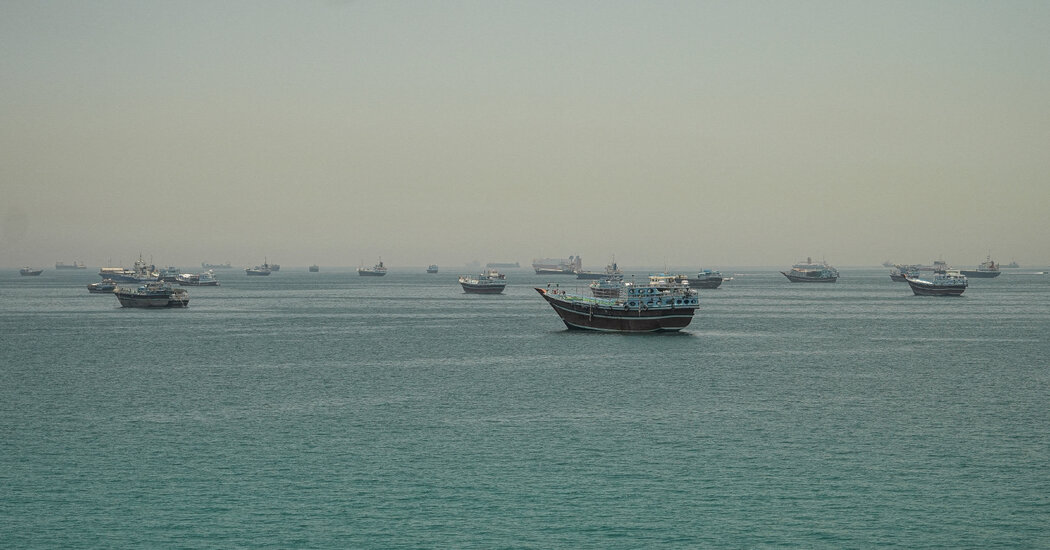
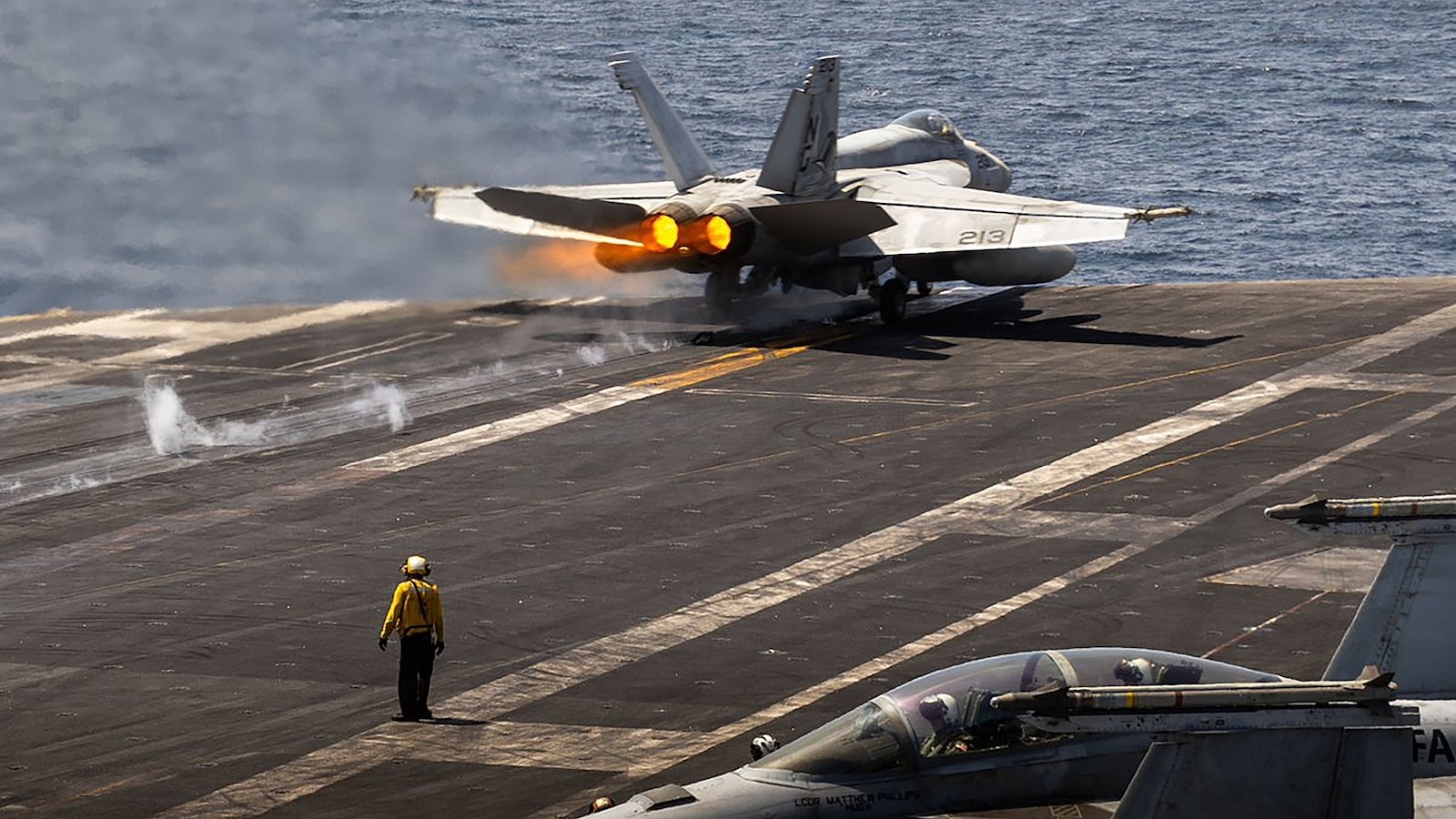
As Iran and the U.S. hold peace talks in Qatar, American forces struck Iranian missile sites and naval targets in southern Iran on Tuesday, May 25, 2026, marking the latest escalation in a conflict that has left the Strait of Hormuz—critical for global oil supplies—blockaded for over a year. President Donald Trump, who has framed the negotiations as a chance to “make history,” warned that any failure to reach a deal would mean “back to the battlefield,” while Iranian officials insisted progress remained fragile and nuclear issues unresolved.
Trump’s “Great and Meaningful” Deal: What’s on the Table?
Trump’s public posture oscillates between optimism and threat. In a Monday morning post on Truth Social, he declared negotiations were “proceeding nicely,” but added a familiar ultimatum: “If no agreement is reached, the U.S. would be back to the battlefield and shooting, but bigger and stronger than ever before.” His language mirrors his 2024 campaign rhetoric, when he vowed to “wipe Iran off the map” if diplomacy failed. This time, however, the stakes are higher—with Iran’s nuclear program, regional alliances, and global oil markets hanging in the balance.
Key details from the U.S.
- Reopening the Strait of Hormuz: Secretary of State Marco Rubio hinted at a potential announcement as early as Monday, though no formal deal has been signed. The U.S. has ruled out tolls for passage, a demand Iran had previously floated.
- Nuclear concessions: Trump insists Iran’s enriched uranium—dubbed “nuclear dust”—must be destroyed, either in the U.S. or “in place” with IAEA oversight. His latest demand marks a shift from his earlier insistence that Iran hand over the material outright. “No dust, no dollars,” a senior U.S. official told reporters, framing the issue as a non-negotiable precondition.
- No unfrozen assets (yet): The U.S. has not signaled it will release Iranian funds, though officials have hinted that asset relief could follow if Iran complies with uranium dismantlement.
Iran’s response, delivered by Foreign Ministry spokesman Esmail Baghaei, was deliberately cautious. “We have reached conclusions on a large portion of the issues, but no one can claim that the signing of an agreement is imminent,” he told reporters via state broadcaster IRIB. The nuclear program remains the sticking point—Baghaei made no mention of uranium concessions, and Iranian media has framed the talks as focused on “regional security” rather than nuclear rollback.
According to The New York Times, the U.S. is pushing for an interim agreement that would reopen the strait while keeping Iran’s nuclear capabilities frozen—effectively extending the 2015 JCPOA framework without reviving the full deal. Rubio acknowledged the limitations: “You can’t do a nuclear thing in 72 hours on the back of a napkin,” he told reporters in India, signaling Washington’s acceptance of a phased approach.
The Abraham Accords Gambit: Can Iran Join the Coalition?
Trump’s most audacious proposal ties the Iran deal to a broader regional realignment: he wants Iran to join the Abraham Accords, the U.S.-brokered normalization deals that have already brought Israel into diplomatic relations with Saudi Arabia, the UAE, and others. In his Truth Social post, he framed it as a “historic event” that would “honor” Iran’s inclusion—though the move would require Tehran to abandon its decades-long alliance with Hamas and Hezbollah, groups the U.S. designates as terrorist organizations.
Sen. Lindsey Graham, a Trump ally, echoed the president’s push in a Sunday post on X, urging Trump to “stick to your guns in getting a good deal with Iran” and insisting that Saudi Arabia and Qatar must sign the Accords as a precondition. The demand reflects a hardline faction within the Republican Party that views any normalization with Iran as a betrayal of Israel and Gulf allies.
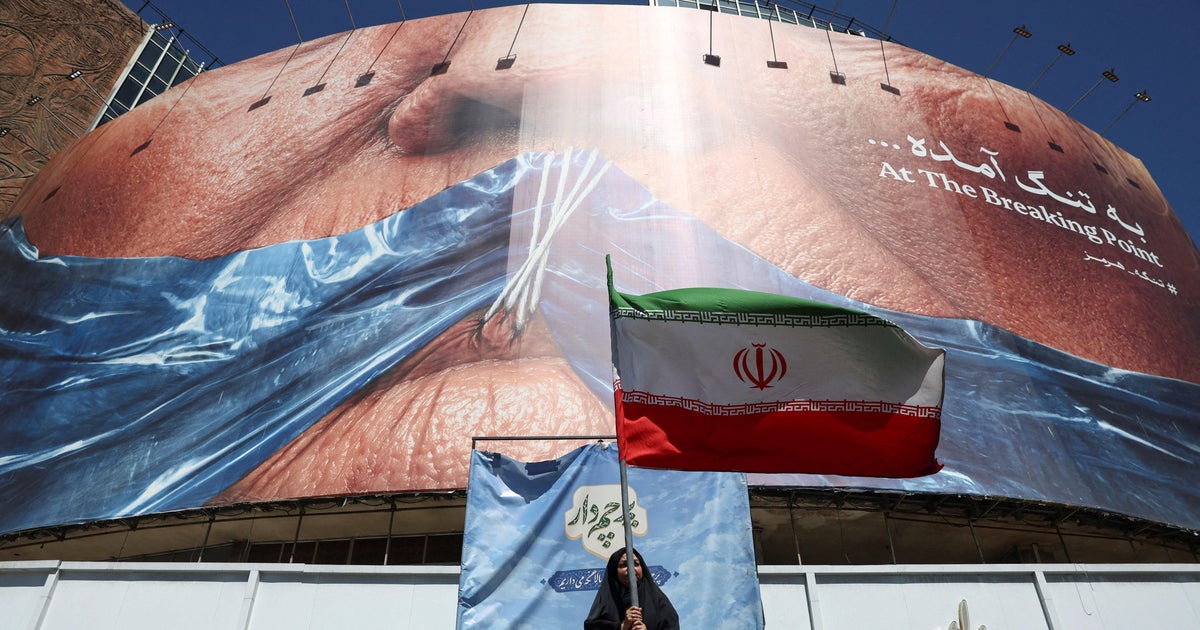
Iran’s reaction to this proposal is predictable: silence. The Islamic Republic has long rejected U.S. mediation and dismissed the Abraham Accords as a tool of American hegemony. But the idea of Iran aligning with Sunni Arab states—even under U.S. pressure—is a geopolitical earthquake. As CBS News noted, Trump’s linkage of the two deals is a high-stakes gamble: if Iran refuses, the talks collapse; if it agrees, it risks isolating its own proxies in Lebanon and Yemen.
Strikes and Ceasefires: What the Military Moves Mean
On Monday, May 25, U.S. Central Command (CENTCOM) confirmed it conducted “self-defense strikes” in southern Iran, targeting missile launch sites and Iranian boats attempting to emplace mines in the Strait of Hormuz. The strikes came after Hezbollah launched attacks on Israeli military posts in northern Israel, which the group framed as retaliation for Israel’s violation of a ceasefire.
The timing is deliberate. With talks underway in Qatar, the strikes serve as a reminder of the military balance: the U.S. can hit Iranian targets with precision while maintaining a blockade that has crippled Iran’s economy. Yet the strikes also risk undermining the ceasefire, which Trump has framed as a temporary pause in hostilities while negotiations proceed.
CENTCOM’s statement emphasized “restraint,” but the message to Tehran is clear: any escalation will be met with force. As ABC News reported, Trump’s team is walking a tightrope—balancing pressure on Iran with the need to avoid a full-blown resumption of war. The “self-defense” framing is a legal and political cover, but the reality is that the U.S. is using military action to shape the negotiating environment.
The Nuclear Standoff: Can Trump’s “Dust” Demand Be Met?
Trump’s fixation on Iran’s “nuclear dust”—a term he coined to describe enriched uranium—has become a defining feature of his approach. In his latest post, he insisted the material must be destroyed “in place” or shipped to the U.S. for disposal, with the IAEA overseeing the process. This is a departure from his earlier stance, when he demanded Iran hand over the uranium outright with no compensation.
Why the shift?
- Psychological leverage: Trump has repeatedly claimed Iran admitted only the U.S. can fully secure the uranium, framing its destruction as a symbolic victory. In April, he tweeted that the U.S. would “get all Nuclear ‘Dust,’ created by our great B2 Bombers—no money will exchange hands.” The new demand—destruction with IAEA oversight—softens the blow to Iran’s pride while still extracting the material.
- Regional pressure: Saudi Arabia and Israel have privately pushed the U.S. to ensure Iran’s nuclear program is permanently dismantled, not just paused. Trump’s “dust” rhetoric resonates with hawkish allies who see any interim deal as a slippery slope.
Iran’s position is unchanged: its nuclear program is non-negotiable. The 2015 JCPOA required Iran to limit enrichment but did not demand dismantlement of existing stockpiles. Any U.S. demand for destruction—especially with IAEA supervision—would be a major concession, one that could trigger domestic backlash in Tehran. As The New York Times noted, the U.S. is offering no quid pro quo for this step, making it a purely one-sided demand.
What Comes Next: Three Possible Outcomes
The next 30 days will determine whether this moment becomes a turning point or a dead end.
- The Strait Reopens, Nuclear Talks Stall: The U.S. and Iran could agree to a limited deal that frees the Strait of Hormuz but leaves nuclear issues unresolved. This would ease global oil markets but leave Iran’s program intact, risking a future confrontation.
- A Full Deal—With Stringent Conditions: Iran agrees to destroy its enriched uranium in exchange for sanctions relief and a path to normalization with Gulf states. This would require Trump to overcome Republican skepticism and Iran to abandon its proxies—both long shots.
- Collapse and Escalation: If talks fail, the U.S. could intensify strikes, and Iran might retaliate by closing the Strait permanently or escalating attacks via Hezbollah. The risk of a wider regional war would spike.
The biggest wild card is Trump himself. His penchant for dramatic ultimatums—”great and meaningful” or “no deal”—suggests he may prefer a dramatic failure over a perceived compromise. Yet his desire to “make history” with the Abraham Accords could push him to cut a deal, even a messy one. For Iran, the calculus is simpler: any concession on the nuclear program risks domestic revolt, but a prolonged blockade could collapse the regime.
One thing is certain: the world is watching. Global oil prices, already volatile, would spike if the Strait remains closed. Israel’s Netanyahu government, facing domestic pressure over the Gaza war, may see an Iran deal as a distraction—or an opportunity to strike preemptively. And in Washington, Trump’s Republican critics are already positioning themselves to blame him if the deal is seen as too soft.
The clock is ticking. By the end of June, we’ll know whether Trump’s gamble pays off—or whether the Middle East lurches back into war.
