
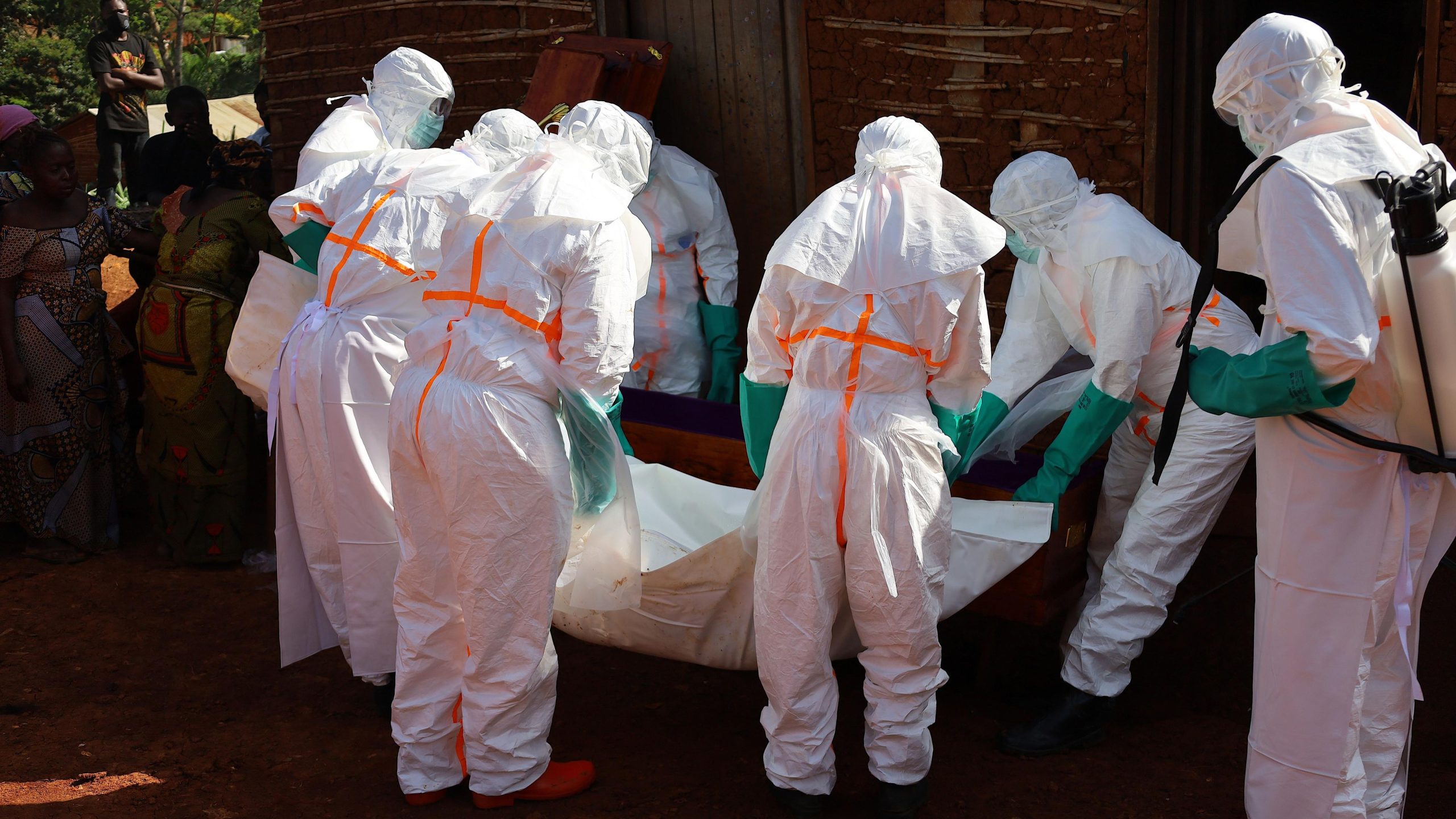
The World Health Organization (WHO) has declared a “very high” risk for the Ebola outbreak in the Democratic Republic of Congo (DRC), with 220 suspected deaths and over 900 cases reported, as the virus spreads to Uganda and raises global alarm. The DRC’s health ministry confirmed 101 cases and 10 deaths, but officials warn the true scale is far greater. The outbreak, caused by the Bundibugyo strain—without an approved vaccine—has overwhelmed local facilities and sparked fears of regional escalation.
WHO Warns of Outbreak ‘Beyond Our Control’
WHO Director Tedros Adhanom Ghebreyesus called the DRC’s Ebola crisis “extremely grave and difficult,” acknowledging that “the epidemic is outpacing our efforts.” His remarks came as Uganda reported seven confirmed cases, including two healthcare workers, after the virus crossed borders. “We are trying to catch up with an epidemic that is spreading very rapidly,” Tedros said, citing delayed detection and security challenges in the DRC’s conflict-affected regions. The WHO elevated the DRC’s risk level to “very high” and warned ten African nations face “high” risk due to proximity to the outbreak.
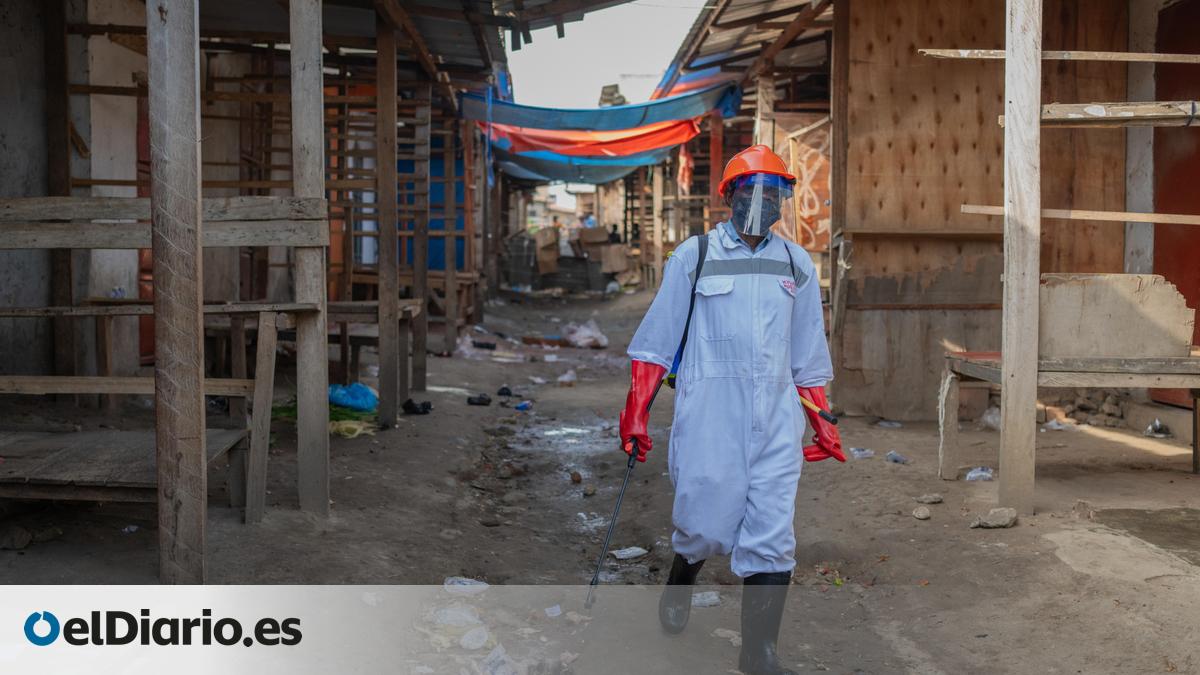
The DRC’s health system is struggling to contain the crisis. In Bunia, a hospital overwhelmed by suspected cases reported no isolation rooms available, with staff forced to turn away patients. “The situation is chaotic,” said Rose Tchwenko of Mercy Corps, a local NGO. “We need urgent regional and global support to prevent cross-border spread.”
Epidemic Spreads to Uganda, Italy Investigates Two Suspects
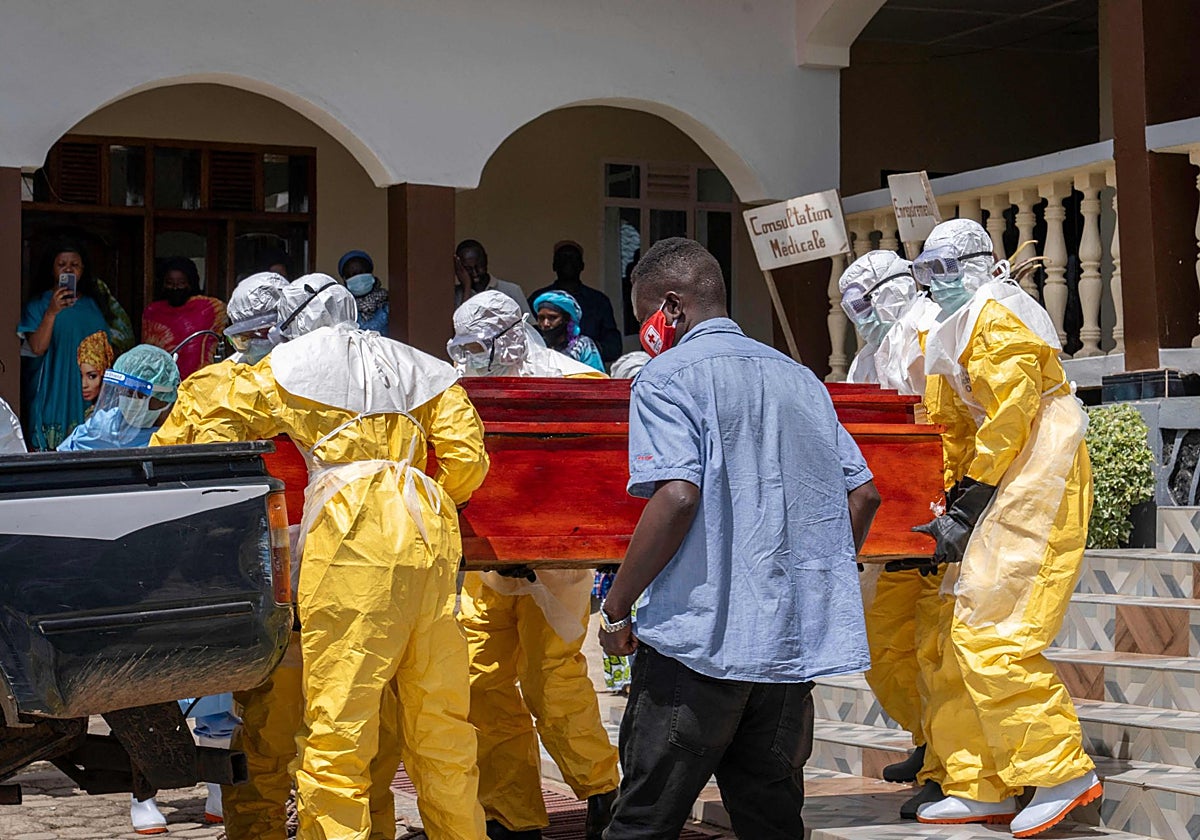
Uganda’s health ministry confirmed seven Ebola cases, including a death, after the virus reached Kampala. Two healthcare workers at a private clinic tested positive, prompting quarantine measures. “All contacts have been registered, and patients are receiving medical care,” said Uganda’s health director, Charles Olaro. The country has mobilized emergency teams to trace transmissions, but the outbreak’s rapid spread has raised fears of a regional health emergency.
For more on this story, see WHO Declares DR Congo-Uganda Ebola Outbreak Public Health Emergency.
In Europe, Italy is investigating two suspected cases linked to travel from Uganda. A 30-year-old woman and 31-year-old man, both humanitarian workers, showed symptoms including high fever and gastrointestinal issues. “We are awaiting test results, but the risk remains low,” said an Italian health official. The pair had been near the DRC’s border, where the virus has spread amid ongoing conflict and community distrust of health workers.
Challenges: Conflict, Distrust, and a Vaccine Gap
The Bundibugyo strain, which caused outbreaks in Uganda in 2007 and the DRC in 2012, poses unique challenges. Unlike the more common Zaire strain, no vaccine is approved for Bundibugyo, and treatment options are limited. “This is a virus we know very little about,” said Dr. Chikwe Ihekweazu, WHO’s emergency chief, who is accompanying Tedros to the DRC. “We’re working with local teams to strengthen containment, but the security situation and community resistance are major obstacles.”
Local resistance has worsened the crisis. In Ituri province, families burned a health center after disputes over handling a deceased relative, delaying response efforts. “People don’t trust outsiders,” said Hama Amado of the humanitarian group Alima. “We need to rebuild that trust quickly.”
International Response Intensifies
The WHO has deployed teams to the DRC and Uganda, while the African Union (AU) declared a public health emergency. “This is a test for our regional coordination,” said AU health officials. The U.S. and European countries have pledged aid, but experts warn more resources are needed. “The window to stop this outbreak is closing,” said Trish Newport of Médecins Sans Frontières. “Without immediate action, we risk a humanitarian catastrophe.”
The DRC’s government has imposed travel restrictions along its border with Uganda, and health checkpoints now screen travelers. However, the virus’s rapid spread suggests containment may be challenging. Tedros urged neighboring countries to “act immediately,” adding, “This epidemic will worsen before it improves.”
The coming weeks will determine whether the outbreak remains confined to the DRC or triggers a larger regional crisis. For now, the WHO and local health workers are racing against time to prevent further loss of life. “We’re doing everything possible,” said a DRC health official, “but the reality is, we’re still falling behind.”
RTVE.es | <a El brote, agravado por la falta de una vacuna específica y la inestabilidad en zonas clave, exige una respuesta coordinada a nivel continental para evitar su propagación a otras regiones de África.
