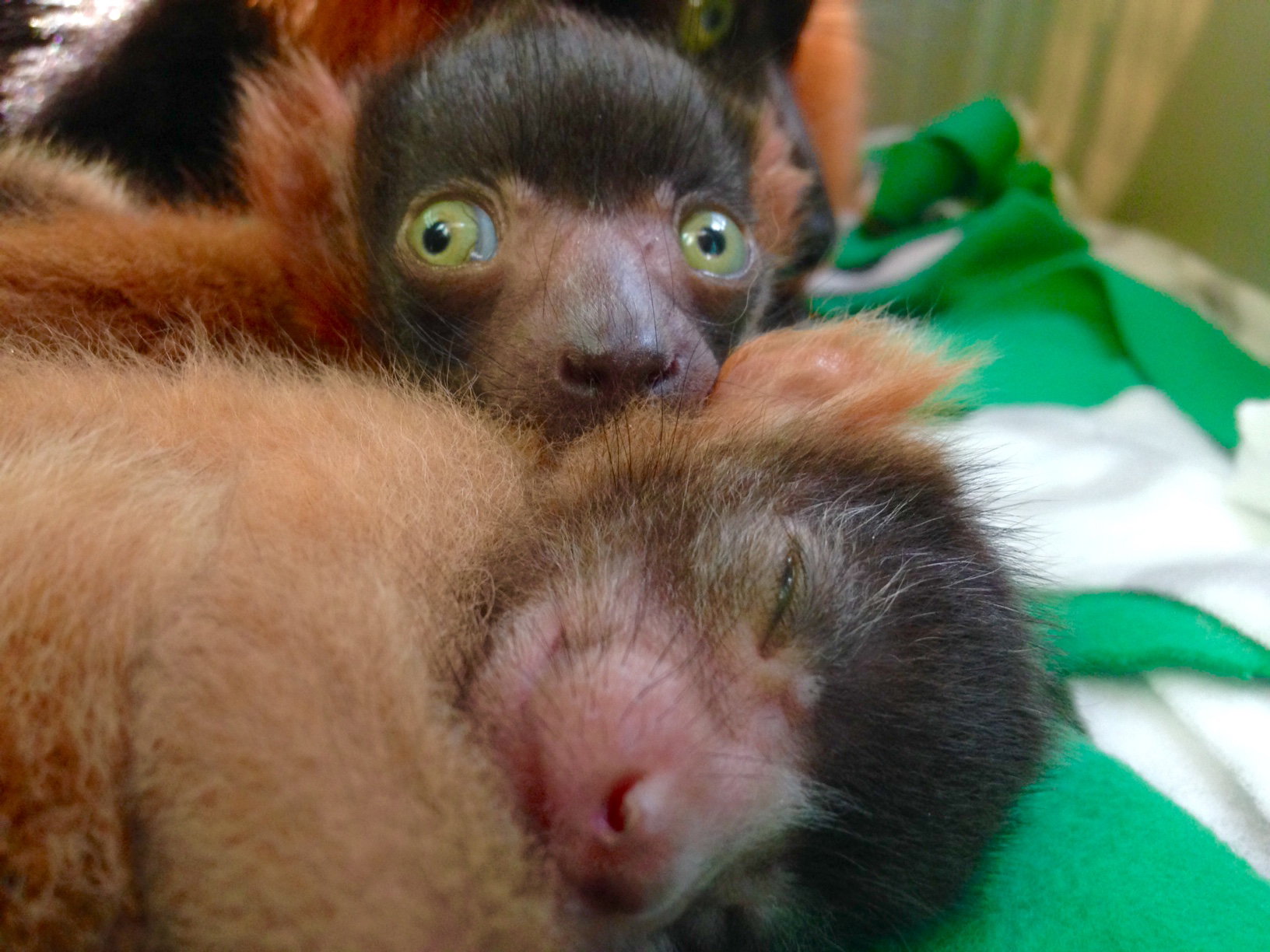
The Durrell Wildlife Conservation Trust reported the birth of four rare Alaotran gentle lemur infants at the Jersey Zoo on May 29, 2026. This occurrence marks a significant milestone for the critically endangered species, as the quadruplets are currently under close observation by veterinary teams to ensure their continued health and development.
Rare Quadruplets at Jersey Zoo
The arrival of four offspring to a single mother is an exceptionally rare event for the Alaotran gentle lemur, a species scientifically known as Hapalemur alaotrensis. Native exclusively to the wetlands surrounding Lake Alaotra in Madagascar, these primates have faced decades of habitat loss and environmental pressure. The birth, which occurred in late May at the Durrell Wildlife Conservation Trust’s facility in Jersey, has drawn attention from conservationists monitoring the species’ recovery.
Veterinary staff at the zoo confirmed that the mother and all four infants are responding well to initial care protocols. Because the species typically gives birth to a single offspring, the survival of a quadruplet litter presents unique challenges for maternal nursing and nutritional intake. Zoo specialists are providing supplementary support to ensure the infants reach necessary weight milestones. The clinical management of this litter represents a departure from standard husbandry, as the caloric demands on the mother far exceed the threshold typically observed during single-birth events in the Jersey Zoo’s captive population.
Conservation Status of the Alaotran Gentle Lemur
The Alaotran gentle lemur, often referred to as the bandro in its native region, is classified by the International Union for Conservation of Nature (IUCN) as critically endangered. Its existence is tied to the reed beds of Lake Alaotra, which have been significantly reduced by agricultural expansion and fire. The population is estimated to be highly fragmented, making captive breeding programs a critical component of the species’ long-term survival strategy.
The Durrell Wildlife Conservation Trust has maintained a long-standing commitment to the protection of this species. By participating in international breeding programs, the organization aims to maintain genetic diversity that could eventually support reintroduction efforts or bolster wild populations. The success of this recent birth is being viewed as a data point for researchers studying reproductive health in captive environments. The Trust’s internal records indicate that the current breeding cycle follows a period of adjusted dietary and environmental protocols designed to optimize reproductive success rates across their prosimian collections.
The birth of four healthy infants is an extraordinary event for this species. Our team is focused on providing the mother with the environmental stability needed to support such an unusual litter size, while monitoring the infants for any signs of developmental distress.
Zoo welcomes rare lemur quadruplets | SWNS
Dr. Dominic Wormell, Head of Mammals at Durrell Wildlife Conservation Trust
Technological Monitoring and Future Prospects
To manage the care of the infants, the zoo has implemented non-invasive monitoring technologies to track the health of the lemurs without disrupting their natural behaviors. These include high-resolution thermal imaging and automated weight sensors integrated into the nesting area. Such tools allow the veterinary team to quantify the growth rates of the quadruplets with precision, providing data that may inform future husbandry practices for other endangered prosimians.
The integration of these sensors provides real-time telemetry on the infants’ activity levels, which is analyzed by the zoo’s veterinary department against historical growth curves for the species. This quantitative approach allows for early intervention if a specific infant fails to meet expected weight gain targets. According to the Trust, the use of these monitoring systems has reduced the need for physical handling, thereby minimizing stress on the mother during the critical post-natal phase.
The long-term strategy involves more than just captive success. Researchers are currently evaluating the environmental conditions of the Lake Alaotra habitat to determine if restoration efforts are sufficient to support future releases. While the quadruplets will remain in the care of the Jersey Zoo for the foreseeable future, their survival serves as a critical test case for the efficacy of modern zoo-based conservation management. The current protocols being tested on this litter are intended to serve as a blueprint for managing higher-than-average litter sizes in other endangered lemur species housed within the global zoo network.
As of June 4, 2026, the veterinary team continues to report that the lemurs are stable. The focus remains on the critical first weeks of development, a period during which the risk of mortality is highest for multi-infant litters. Conservationists expect to provide a formal update on the weight gain and social integration of the group later this summer, depending on the continued stability of the mother’s health and the infants’ feeding patterns. The Trust has emphasized that the transition to solid food will be a key indicator of the long-term viability of all four infants, and the veterinary staff is currently preparing nutritional supplements specifically formulated for the developmental stage of the Hapalemur genus.
Sophie Williams is the Tech Editor at Headlinez.News, covering innovation, artificial intelligence, cybersecurity, and emerging technology trends. Before joining the publication, she worked as a technology correspondent and product analyst for multiple tech-focused media outlets. With a background in computer science and digital media, Sophie bridges technical depth with accessible reporting, bringing readers closer to the technologies transforming everyday life.
Expertise: Artificial intelligence, consumer tech, cybersecurity, startups, digital transformation.
Location: San Francisco, California, USA