
A weekend Israeli strike on a Lebanese military vehicle near the Khardali-Nabatieh road killed three soldiers, including a high-ranking officer, sparking intense diplomatic condemnation and a heated exchange between Iranian officials and Lebanese leadership. The incident complicates regional security as Jordan and others call for an immediate ceasefire and full implementation of UN Security Council Resolution 1701.
The Khardali Strike and Military Casualties
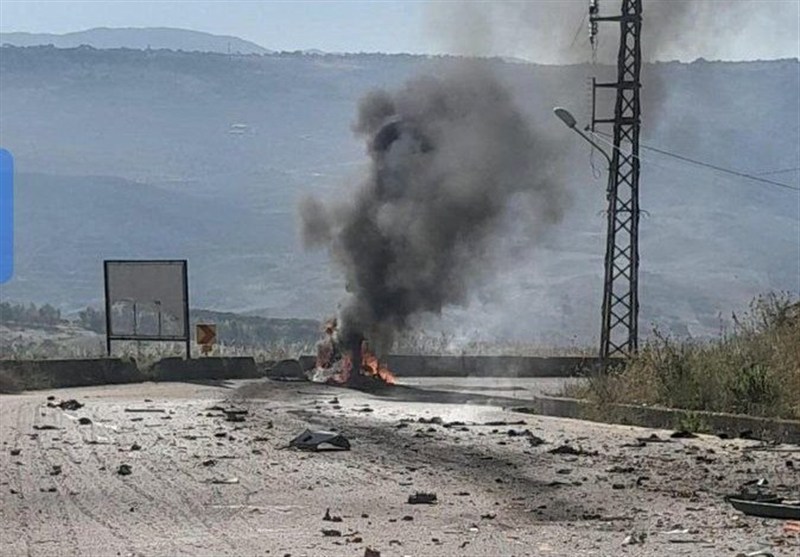
On Saturday, June 6, 2026, an Israeli airstrike targeted a Lebanese army vehicle, resulting in multiple fatalities. The Lebanese military confirmed the incident in an official statement, noting that the strike occurred on the Khardali-Nabatieh road. According to reporting from CNN Arabic, those killed included Brigadier General Wissam Sabra, Captain Elie Khoury, and soldier Hassan Ghazal. Field reports from the scene indicate the vehicle was marked with standard Lebanese Armed Forces (LAF) insignia, though the Israeli Defense Forces (IDF) have yet to release a forensic assessment of the strike’s intent or the intelligence gathered prior to the engagement.
The loss of a high-ranking officer in an attack on a state military asset has drawn immediate scrutiny from international observers. While the Lebanese military and state media identified the casualties, the Israeli military has been contacted for comment regarding the specific circumstances of the strike, though no official confirmation of the target’s nature has been provided by Israeli authorities to date. Lebanese Army Command issued a follow-up directive on Sunday, June 7, ordering units in the southern sector to maintain high alert levels, citing an “unprecedented breach of engagement protocols” that previously protected state assets from direct aerial targeting.
Escalating Rhetoric Between Tehran and Beirut
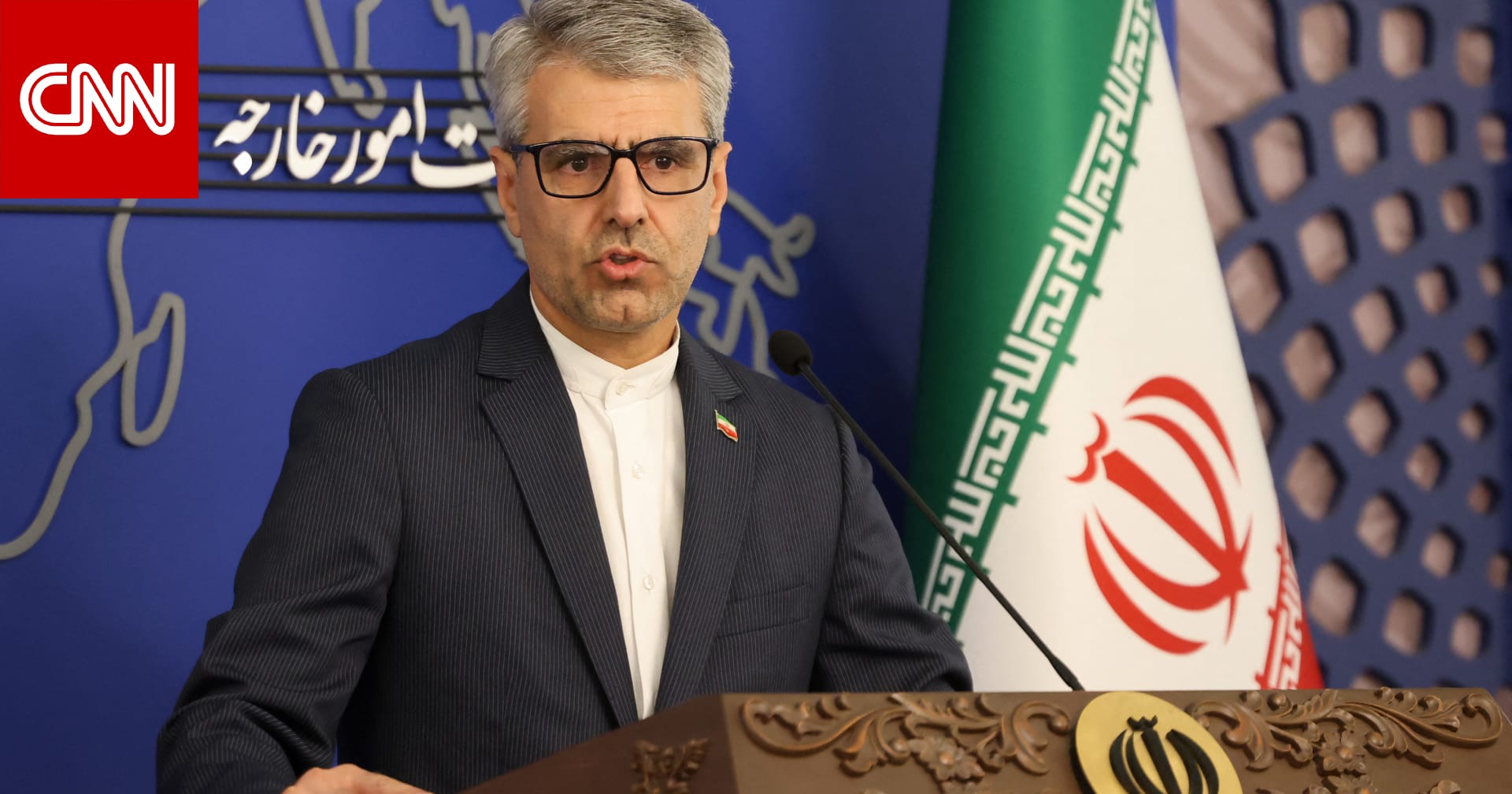
The military incident served as a backdrop for a sharp public disagreement between the Iranian government and Lebanese leadership. Esmaeil Baqaei, spokesperson for the Iranian Ministry of Foreign Affairs, posted a series of messages on X that drew significant attention.
"He sells out those standing beside him, and buys those standing against him… he abandons those who supported him, and follows those who are strangling him."
This rhetoric followed an interview given by Lebanese official Joseph Aoun, who publicly addressed Iran’s role in the country. Aoun stated, "It is not your country; it is our country," and further alleged that Iran is using Lebanon as a "bargaining chip" in their ongoing negotiations with the United States. The tension highlights the deepening rift between Tehran’s regional strategy and the Lebanese government’s desire to reassert national sovereignty. Analysts tracking the exchange note that Aoun’s remarks represent a pivot in official Lebanese policy, moving away from the tacit acceptance of Iranian-backed influence toward an explicit, public rejection of external interference in defense matters.
In response to Aoun’s comments, Iranian state-affiliated media outlets have ramped up criticism of the Lebanese military leadership, framing the shift as a surrender to Western diplomatic pressure. This friction has created a precarious environment for Lebanese officials, who now face pressure from Tehran to walk back the rhetoric while simultaneously navigating domestic demands to shield the military from further Israeli strikes.
For more on this story, see Qatar Condemns Israeli Strikes in Lebanon, Calls for Ceasefire.
Regional Reactions and Calls for Sovereignty
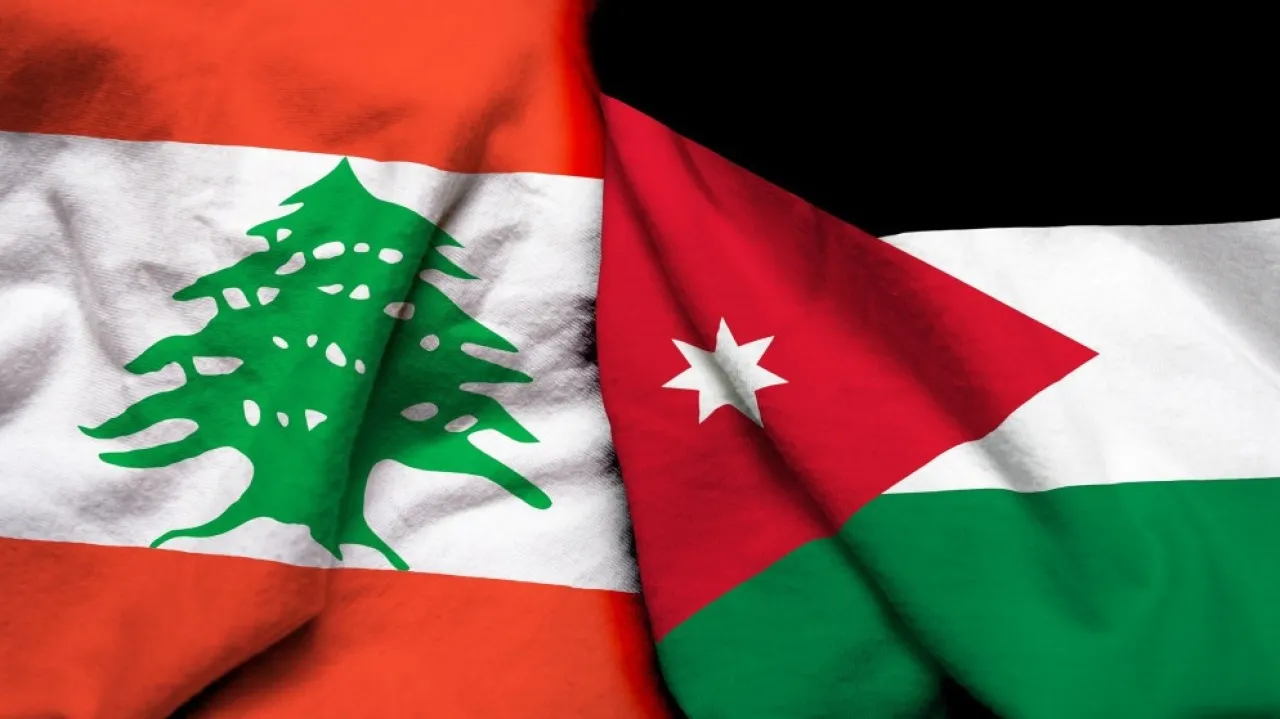
The strike has triggered a wave of condemnation from regional neighbors. Jordan’s Foreign Ministry issued a statement Saturday characterizing the attack as a "flagrant violation of Lebanon’s sovereignty and security" and a breach of international law. According to Khaberni, the Jordanian government is actively supporting efforts to restore the authority of the Lebanese state, specifically calling for the "confining of arms to the hands of the state." Jordanian diplomatic envoys have reportedly engaged in private consultations with Beirut to discuss potential security guarantees that would decouple the Lebanese Armed Forces from non-state armed groups.
Similarly, Yemeni officials have warned against further escalation. As reported by Tasnim News, the targeting of military personnel is viewed as a "dangerous and unacceptable" escalation that threatens regional stability. These states are now urging the international community to enforce a full adherence to UN Security Council Resolution 1701. The resolution, which mandates the disarmament of all armed groups in Lebanon except for the national army, has become the focal point of a renewed push by the Lebanese government to secure international support for its territorial integrity.
In Brussels, European Union representatives have also signaled alarm. EU foreign policy spokespeople indicated on Monday that they are monitoring the situation closely, emphasizing that the protection of the Lebanese Armed Forces is essential to maintaining the “fragile architecture of security” in the Levant. Several EU member states have requested an emergency session of the UN Security Council to discuss the implications of the Khardali incident on the safety of state actors operating in conflict zones.
Implications for the Coming Weeks
The convergence of a lethal military strike and a public spat between Tehran and Beirut signals a difficult path for Lebanese domestic stability. The primary challenge remains the disconnect between the Lebanese government’s stated goal of "re-activating its national institutions" and the reality of ongoing military engagements near the border. Military analysts have noted that the strike has created a “security vacuum” in the south, as the LAF is forced to balance its defensive mandate with the need to avoid further direct confrontation with Israeli forces.
As of Monday, June 8, the diplomatic focus remains on whether the current ceasefire can be stabilized. With Jordan publicly backing the Lebanese government’s push for state-exclusive control over weaponry, the pressure is mounting for a clear separation between Lebanon’s national military and external proxy interests. The Lebanese Ministry of Defense has scheduled a closed-door briefing for mid-week to address the military’s operational challenges following the loss of the high-ranking officers. Whether this incident serves as a catalyst for renewed state control or further fragmentation depends on the ability of the Lebanese leadership to navigate the increasingly hostile rhetoric from Iran while managing the immediate security threat posed by the ongoing cross-border conflict. Local observers report that civilians in the Nabatieh region are bracing for potential further hostilities, as the strike has effectively disrupted the buffer zones previously negotiated by international mediators.
