
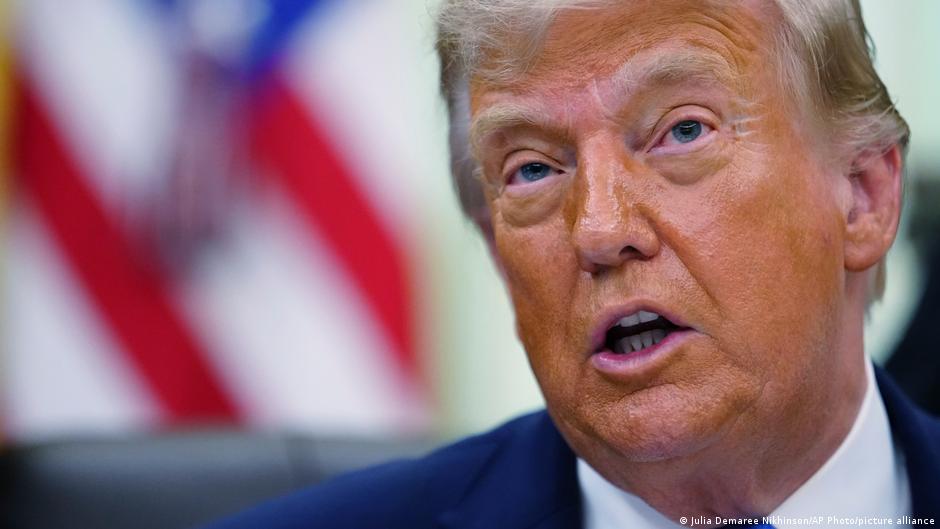
President Donald Trump announced on June 11, 2026, that the United States and Iran are nearing a formal settlement to end their ongoing conflict, with a potential signing scheduled for the coming days in Europe. The proclamation follows a period of heightened naval tensions and reciprocal strikes between the two nations.
The Status of the Proposed Iran-U.S. Agreement
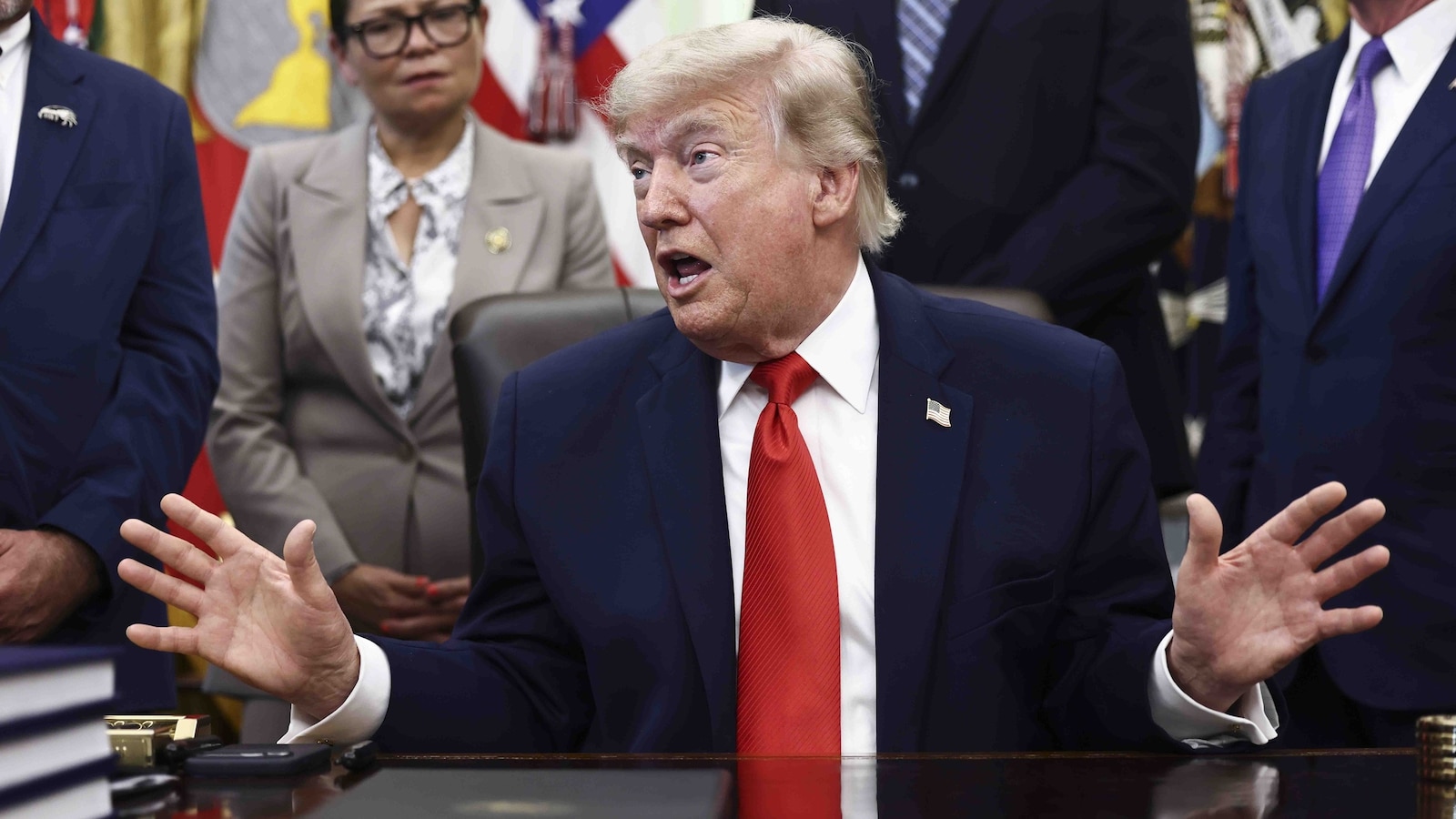
President Trump stated in the Oval Office that he believes Iranian Supreme Leader Ayatollah Mojtaba Khamenei has personally approved the deal, which he characterized as a “very strong memorandum of understanding.” According to reporting from DW, the President confirmed that he has canceled planned military strikes against Kharg Island as diplomatic efforts move toward finalization. The island serves as Iran’s primary oil export terminal, and the cancellation of planned strikes there is seen by observers as a significant de-escalatory gesture by the Trump administration.
Despite the optimism from the White House, the situation remains fluid. Iranian officials have offered a more cautious perspective. As cited by DW, Foreign Ministry spokesperson Esmaeil Baqaei stated that Tehran has not yet reached a final decision on the agreement, describing ongoing discussions as speculation and emphasizing that Iran will not compromise on its established “red lines.” These red lines historically include the preservation of its nuclear research capabilities and regional influence, which remain points of contention in ongoing negotiations.
Strait of Hormuz and the Naval Blockade
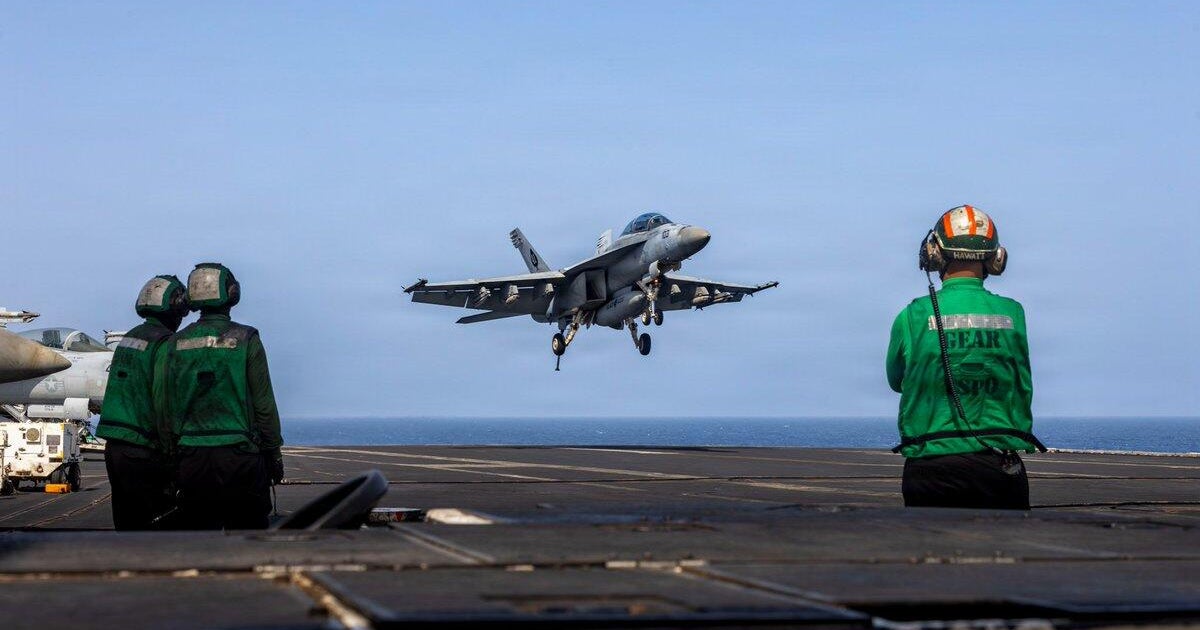
A central component of the potential deal involves the strategic Strait of Hormuz. President Trump indicated that the U.S. would lift its current naval blockade of the waterway immediately upon the signing of the agreement, projecting that such a move would cause oil prices to “drop like a rock,” according to ABC News. The Strait is one of the world’s most vital maritime chokepoints, through which a significant portion of the world’s daily petroleum supply passes. The U.S. naval presence in the region has been significantly bolstered in recent months as part of the broader strategy to contain Iranian influence and secure energy transit routes.
For more on this story, see Trump Pushes Arab Nations to Recognize Israel as Part of Iran War Deal.
However, friction continues on the water. On June 12, 2026, state media reported that Iranian forces confronted and diverted an oil tanker attempting to sail through the Strait. This follows the United States Treasury Department’s recent announcement of sanctions against the Persian Gulf Strait Authority, a Tehran-based agency that has been collecting fees for transit through the channel. Treasury Secretary Scott Bessent stated that the agency’s actions represent an attempt to “extort global maritime trade,” and warned that any entity paying these fees risks exposure to U.S. sanctions. These sanctions are part of a broader “maximum pressure” framework utilized by the U.S. to restrict the financial resources available to the Iranian government.
This follows our earlier report, Iran’s World Cup team relocates to Mexico amid U.S. visa restrictions.
Regional Reactions and Diplomatic Logistics
The regional security architecture of the Middle East remains deeply affected by these developments. Israeli Prime Minister Benjamin Netanyahu has publicly expressed appreciation for President Trump’s efforts, particularly regarding commitments to dismantle Iran’s enrichment infrastructure and limit missile production. However, Netanyahu clarified that Israel is not a party to the memorandum of understanding. This distinction is significant, as Israel has historically maintained a policy of independent military action when it perceives its national security interests to be under existential threat, regardless of U.S.-led diplomatic initiatives.
The logistics for the potential signing remain in development. While Trump told reporters that a deal could be signed over the weekend, he indicated he would likely send a delegation led by Vice President JD Vance rather than attending in person. The specific location for a potential signing has not been finalized, though the President suggested it would likely take place in Europe, which has historically served as a neutral ground for multi-party international negotiations.
“We just made a great settlement of the war with Iran. And we’re going to be subject to finalization of documents we should get done over the next few days and probably have a signing, maybe in Europe. And it’s a great thing.”
Read also: Trump claims Israel, Hezbollah agree to ceasefire, but details unclear..
President Donald Trump, via ABC News
As of Friday, the administration and the Iranian leadership continue to navigate the final stages of the text. While the White House maintains that a deal is imminent, the Iranian Foreign Ministry’s acknowledgement that “a large part of the text had been finalized” is tempered by concerns that the U.S. “keep changing their positions,” leaving the timeline for a formal resolution uncertain heading into the weekend. In international diplomacy, the “finalization” phase is often the most volatile, as both sides attempt to secure last-minute concessions regarding implementation mechanisms and verification protocols before a formal, public commitment is made.
The broader stakes involve not only the immediate cessation of hostilities but also the long-term stability of global energy markets and the security of regional allies. The effectiveness of any memorandum of understanding will be measured by the ability of both nations to adhere to the terms regarding naval transit and nuclear activity, as previous attempts at formalizing these relations have faced significant hurdles in implementation and verification.
Find more reporting in our World section.
