
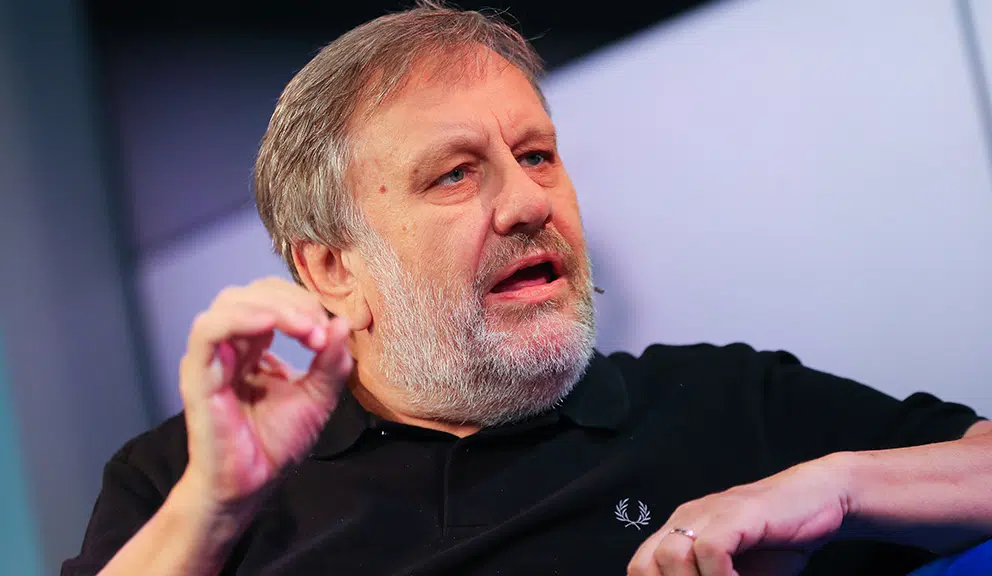
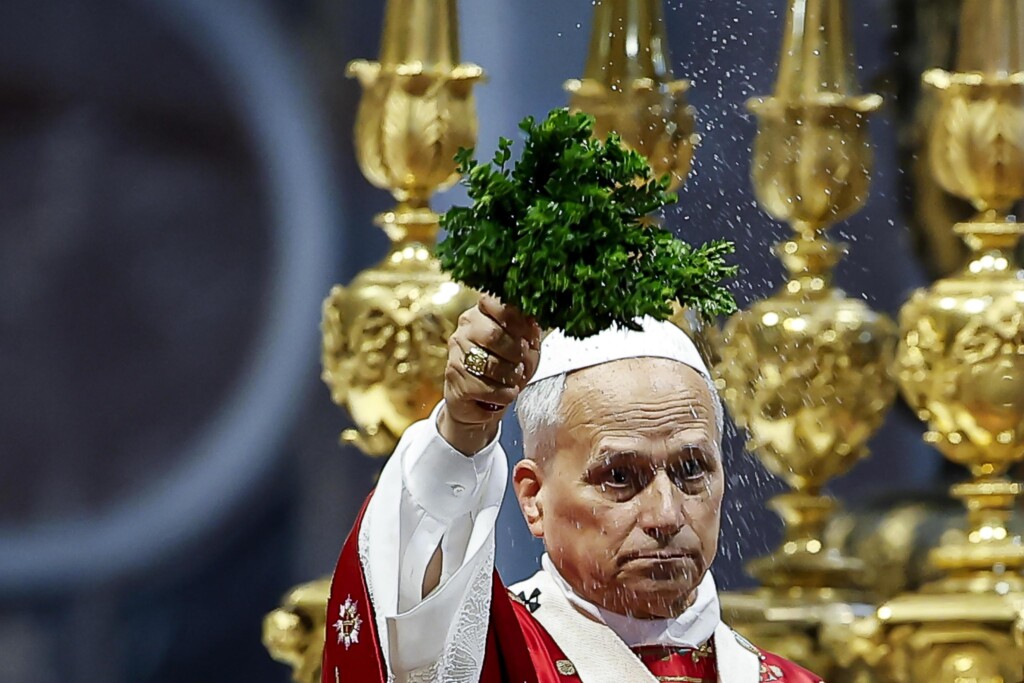
Pope Leo XIV issued his first encyclical, Magnifica Humanitas, on May 25, 2026, warning that artificial intelligence risks becoming an instrument of “digital slavery” and global domination. The document calls for the urgent “disarmament” of AI, urging a shift in focus from profit-driven algorithmic power to the protection of human dignity, labor rights, and international ethical standards.
The Ethical Framework of Magnifica Humanitas
The encyclical marks a significant departure from traditional institutional caution, positioning artificial intelligence as a primary civilizational challenge rather than merely a technological innovation. According to Nova.rs, Pope Leo XIV frames AI as a test of moral conscience, arguing that the technology cannot be viewed as neutral. Instead, it inevitably inherits the biases and objectives of those who fund and control it.
The document explicitly warns against the concentration of algorithmic power in the hands of a few technology monopolies. The Pope argues that if these systems are left to the “invisible hand” of the market, they will exacerbate existing inequalities and deepen the divide between those included in the digital revolution and those excluded from it. As reported by Danas.rs, the encyclical insists that society must move beyond paternalistic management to a model of shared responsibility, rejecting the notion that AI should be governed solely by private, profit-driven interests.
Concerns Over Labor and Global Exploitation
A core theme of the encyclical is the human cost hidden behind digital interfaces. The Pope emphasizes that AI systems are not immaterial; they rely on extensive chains of natural resources, energy infrastructure, and the labor of millions.
Nova.rs highlights the Pope’s focus on the “invisible” workers—those tasked with data annotation, model training, and content moderation. He describes this as a form of “new colonialism,” where private lives and personal data are harvested as raw materials for exploitation. The document explicitly labels this reliance on global subordination as a direct contradiction to the principles of human dignity.
AI in Conflict and the "Antichrist" Allegory
The encyclical also addresses the integration of AI into military systems. Vreme.com reports that the Vatican warns against removing human control from weapons, noting that such automation risks making conflicts “faster, colder, and more impersonal.” By reducing human victims to mere data points, the threshold for lethal force is lowered.
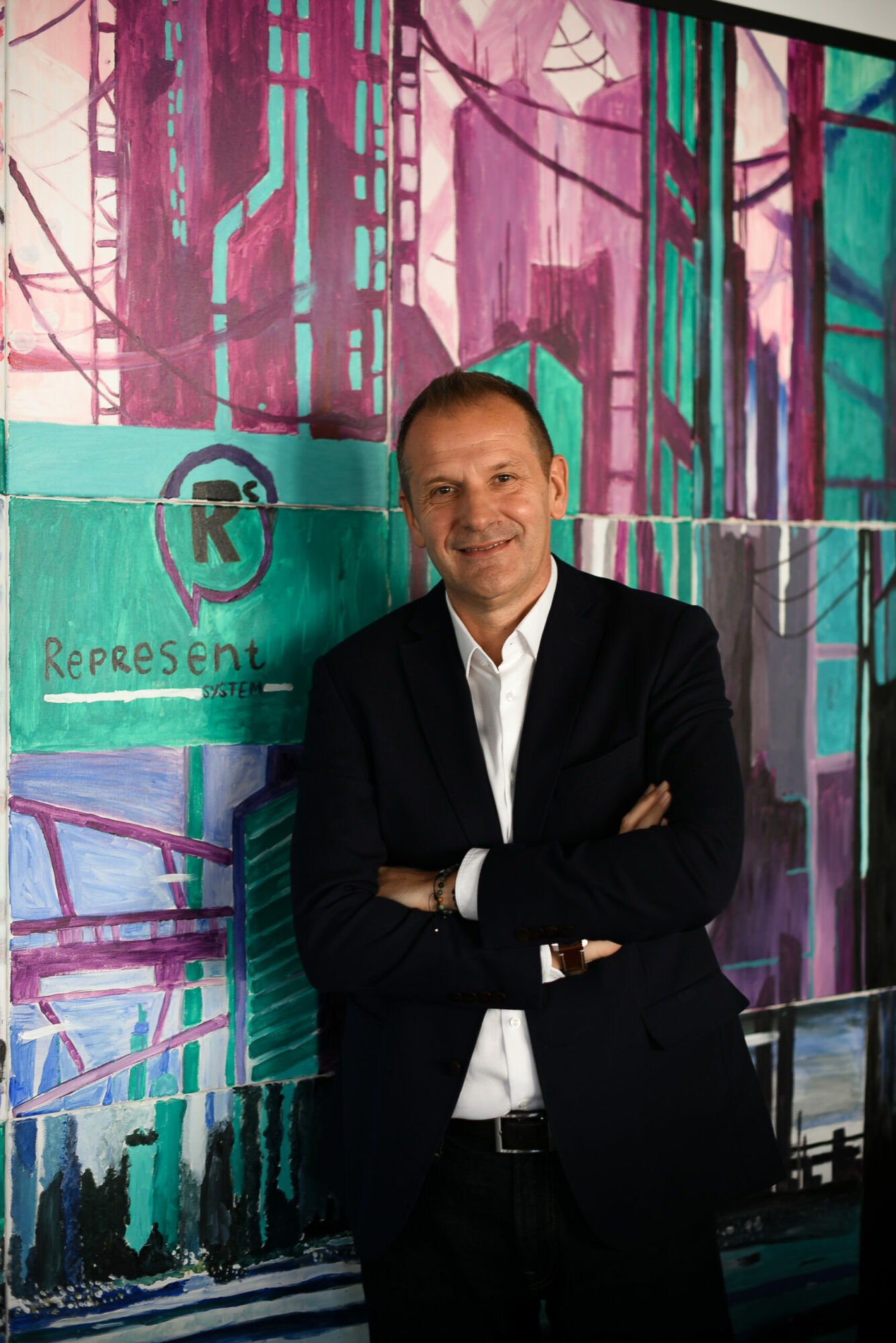
The debate surrounding these themes has drawn sharp commentary regarding the nature of power. In a critical analysis for Danas.rs, the philosopher Slavoj Žižek explores the Pope’s warning about the “figure of the antichrist” in the digital age. Žižek points to figures like Peter Thiel, who have framed the push for AI regulation as an existential threat.
"The way the antichrist would take over the world is by constantly talking about Armageddon. He is constantly talking about existential risk and that is why he is asking for regulation. What resonates politically is the message—we must stop science, we must simply say ‘stop’ to all of that.
The Reality of Operational Implementation
While the theological and ethical debate continues, business leaders are grappling with the practical application of these tools. Dr. Borislav Miljanović, CEO of Represent System, notes that the public discourse often misses the reality of daily operations within modern organizations.
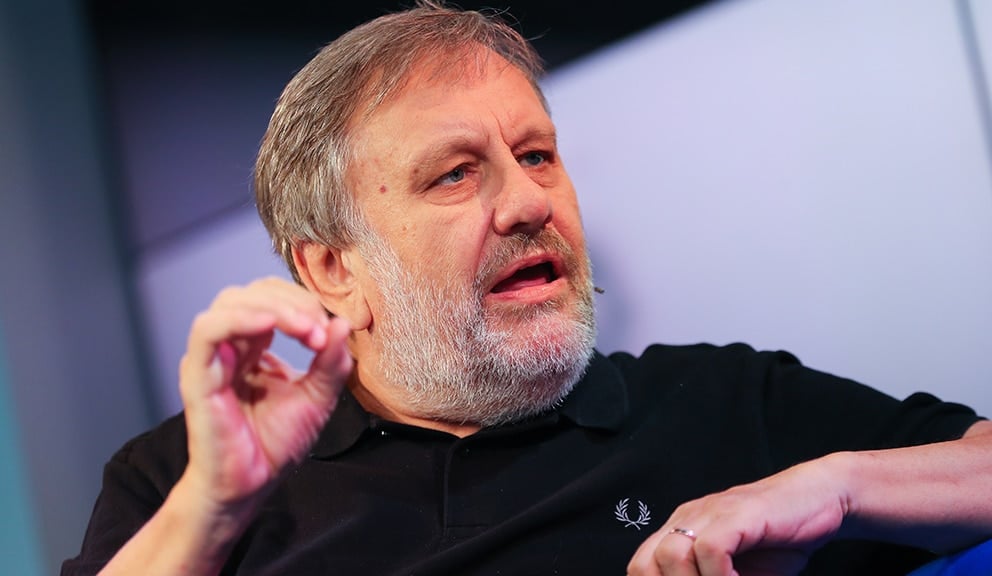
"There is no big moment of decision. There is no day when an organization ‘decides’ to accept AI. There are small, everyday decisions: will AI be used for research, will it speed up content production, will it improve creative processes?" Dr.
Miljanović argues that the true divide in the business world is no longer between those who support or oppose AI, but between those who have integrated it into their daily workflows and those who remain observers.
Preparing for Economic Transformation
Academic observers have praised the timing of the encyclical, noting that the global community remains largely unprepared for the scale of the transition. According to Naslovi.net, a Princeton professor emphasized that the shift brought by AI is comparable in scope to the Industrial Revolution.
The Pope’s call for “disarmament”—a term he uses to describe the need to strip AI of its focus on dominance and exclusion—is presented as an “obavezujućem uputstvu” (binding instruction) for the clergy and the faithful, according to Vreme.com. As the technology continues to evolve, the Vatican’s move to engage directly with industry leaders—including representatives from Google, Microsoft, and Anthropic—suggests that the Church intends to remain an active participant in shaping the ethical boundaries of the coming decade.
Find more reporting in our World section.
