

Icelandair concluded a global search for the world’s worst photographer on June 21, 2026, selecting a 28-year-old French woman named Blanche from a pool of 127,000 applicants across 178 countries. The airline launched the campaign to demonstrate that Iceland’s natural landscapes are so visually stunning that even an amateur can capture high-quality images.
The Search for Photographic Incompetence
In an unusual marketing push that began in April, Icelandair sought out individuals who struggled with basic photography skills, according to reporting from Index.hu. The premise of the contest was centered on the idea that Iceland’s scenery is inherently photogenic, making it nearly impossible to produce a poor photograph, even for those self-described as photographic “antitálentum” or anti-talents.
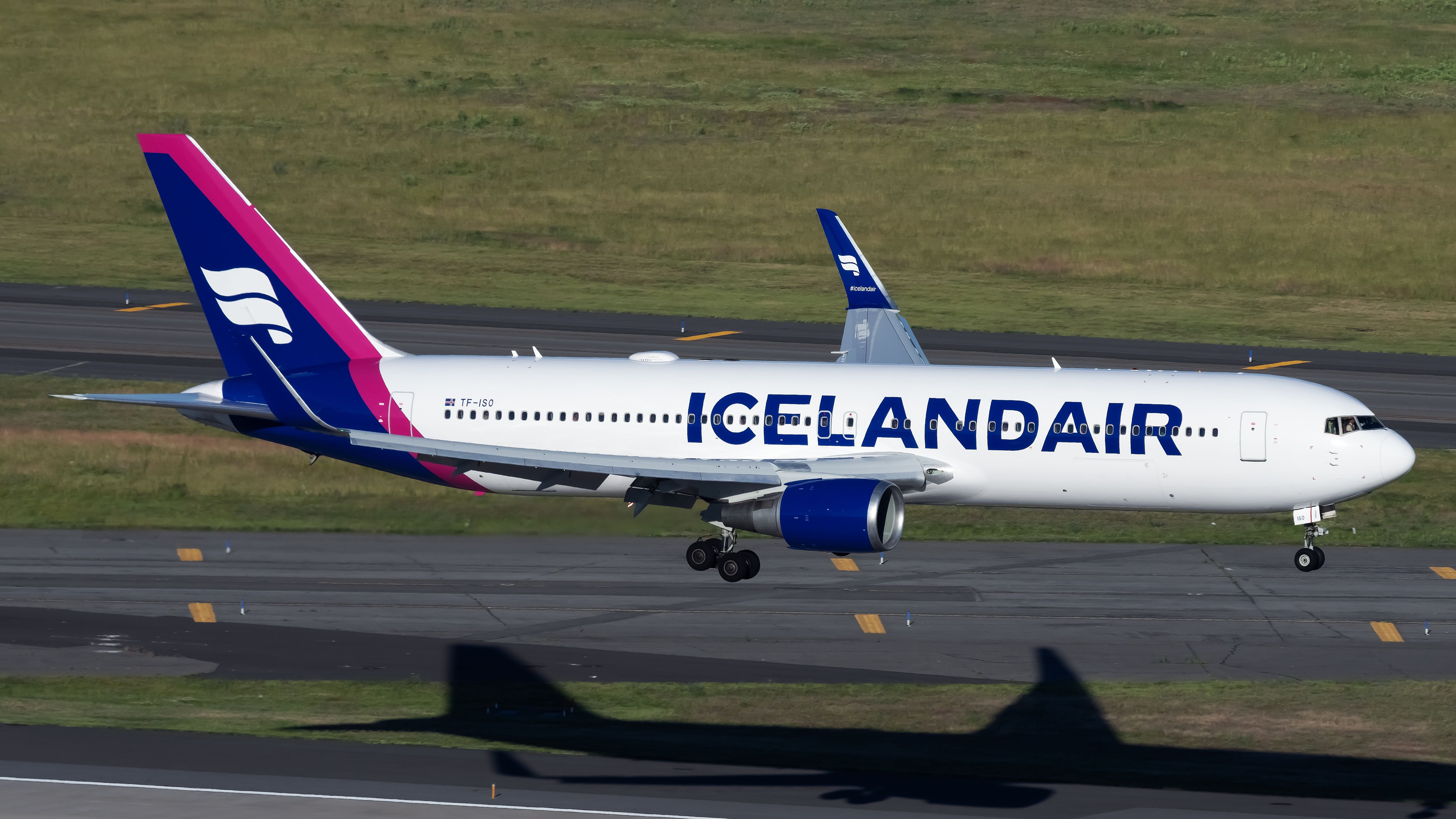
The competition drew significant international interest. According to Hirstart.hu, more than 127,000 people from 178 countries submitted applications to participate in the project. The massive turnout highlights the viral nature of the airline’s campaign, which turned the traditional concept of a photography contest on its head by rewarding a lack of expertise rather than technical proficiency.

This marketing strategy aligns with broader trends in tourism promotion where national carriers and tourism boards increasingly leverage user-generated content over traditional, high-budget studio advertising. By leaning into the “anti-talent” narrative, Icelandair sought to lower the barrier of entry for potential travelers, suggesting that the destination is accessible to anyone, regardless of their creative skill set. In the context of international aviation marketing, such campaigns often serve to distinguish a brand in a crowded market by prioritizing narrative-driven engagement over static aesthetic displays.
Meet the Winner: Blanche’s Icelandic Assignment
The winner, identified only as Blanche, is a 28-year-old French national whose self-described approach to photography mirrors the frantic nature of packing carry-on luggage: ambitious, yet ultimately limited by reality. She characterized her own work as being marked by “carefully composed” shots that are frequently followed by a “disappointed sigh.”
As part of her prize, Blanche will travel to Iceland for a 10-day excursion this summer. The airline has provided her with a stipend of 16 million Hungarian forints—approximately 50,000 U.S. dollars—to document the trip in her own unique style. The project serves as a practical test of the company’s theory: that the raw beauty of the Icelandic landscape can transcend the limitations of the person behind the lens.
The selection process involved a review of submitted portfolios that were intentionally poor. By choosing a participant who openly embraces her own lack of photographic ability, the airline has created a public-facing experiment that invites the audience to judge the outcome of the upcoming trip. This transparency is intended to build trust with a digital-native audience that often approaches heavily edited travel advertisements with skepticism.
Marketing Implications and Future Coverage
The decision to select a self-admitted amateur represents a shift from typical tourism marketing, which usually relies on highly polished, professional imagery to attract visitors. By inviting a self-described “worst photographer” to capture the island, Icelandair is banking on the authenticity of the results to generate social media engagement and travel interest.

While the contest has concluded, the next phase of the campaign involves the actual documentation of Blanche’s trip. The airline has indicated that it intends to showcase her work upon her return, providing a public reveal of whether the Icelandic landscape truly is “impossible” to photograph poorly. The international audience that fueled the 127,000-person application pool now awaits the results of the summer excursion, marking a high-stakes conclusion to a campaign that successfully leveraged global curiosity.
The diplomatic and economic implications of such campaigns are significant for Iceland, a nation that relies heavily on tourism as a cornerstone of its national economy. By maintaining a constant stream of viral content, the airline aims to keep the destination top-of-mind for potential travelers across its diverse route network. The success of the campaign will likely be measured by the airline through social media metrics and booking data following the release of Blanche’s photographs, providing a tangible metric for the effectiveness of “anti-marketing” in the modern travel sector.
Find more reporting in our World section.
