
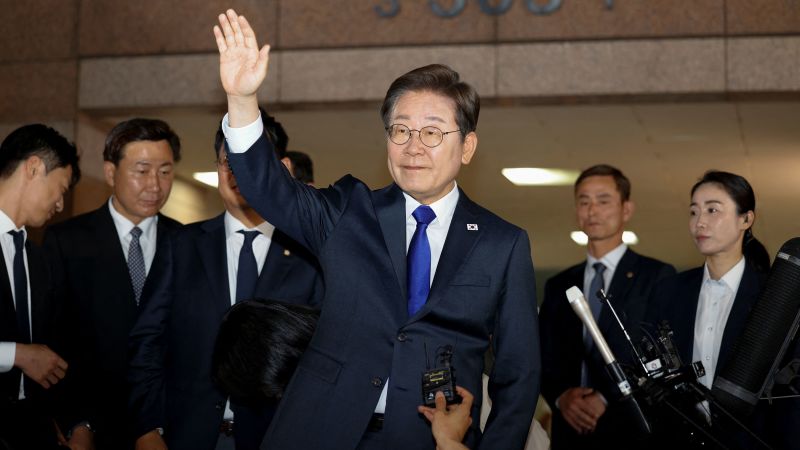
Following a tumultuous period, South Korea has a new president, Lee Jae-myung, stepping into power during a time of meaningful challenges. This article examines the key issues facing South Korea’s new president, from restoring economic stability to navigating complex geopolitical dynamics and addressing domestic divisions. Discover the critical trends that will shape South Korea’s future and the strategies Lee Jae-myung will need to employ to ensure the nation’s success.
Table of Contents
South Korea has a new leader, Lee Jae-myung, who was sworn in after a snap election. This comes after a period of political instability following a controversial martial law declaration and impeachment of the previous president. The election saw a high voter turnout,reflecting the public’s desire for stability and a return to normalcy. But what does this mean for South Korea’s future, and what challenges lie ahead?
Restoring Economic Stability: A Top Priority
Lee Jae-myung has pledged to prioritize economic recovery. South Korea’s economy, heavily reliant on exports, faces significant headwinds. The global economic climate, including potential recessionary pressures and trade disputes, poses a considerable challenge. The new management will need to navigate these complexities to ensure lasting growth. This includes addressing issues like inflation, supply chain disruptions, and the impact of global events on key industries like semiconductors and automobiles.
Real-life example: South korea’s semiconductor industry, a global leader, is notably vulnerable to trade tensions. Any escalation of tariffs or trade restrictions could considerably impact its export-oriented economy. The new president will need to find a balance between protecting domestic industries and maintaining positive trade relations.
Geopolitical Challenges: Balancing Act with Major Powers
South Korea’s strategic location places it at the heart of complex geopolitical dynamics. The new administration will need to manage relationships with major powers, including the United States, China, and Russia. Maintaining strong alliances while navigating potential conflicts and tensions is crucial for regional peace and security. The approach will likely involve “strategic engagement,” emphasizing dialog and diplomacy.
Case Study: The relationship with the united States is critical, especially concerning trade. South Korea is actively negotiating with the US over tariffs. The outcome of these negotiations will significantly impact the country’s economic outlook.
Beyond economic and geopolitical challenges, the new president faces domestic issues.The recent political turmoil has highlighted social and political divisions within the country. Lee will need to address these divisions to foster unity and stability. this includes promoting social justice, addressing income inequality, and ensuring fair governance.
Data Point: Voter turnout in the recent election was high, indicating a strong public interest in political participation.This presents an possibility for the new administration to engage with the electorate and build consensus on key policy issues.
The road Ahead: Key Trends to Watch
Several trends will shape South Korea’s future under the new leadership:
- Economic Resilience: the ability to adapt to global economic fluctuations and diversify its economy.
- Geopolitical Maneuvering: The skill in balancing relationships with major powers to ensure security and stability.
- social Cohesion: The success in addressing domestic divisions and promoting social harmony.
These factors will determine South Korea’s trajectory in the coming years. The new president’s ability to navigate these challenges will be critical for the nation’s success.
Frequently Asked Questions
Q: What are the biggest economic challenges facing South Korea?
A: Global recession risks, trade disputes, and inflation.
Q: How will South Korea manage its relationships with other countries?
A: Through “strategic engagement,” emphasizing dialogue and diplomacy.
Q: What are the key priorities for the new president?
A: Restoring the economy and ensuring political stability.
did you know? South Korea’s economy is the 10th largest in the world,making it a significant player in global trade and finance.
Pro Tip: Stay informed about South Korea’s economic and political developments by following reputable news sources and industry analysis.
What are your thoughts on South Korea’s future? Share your comments below!
