
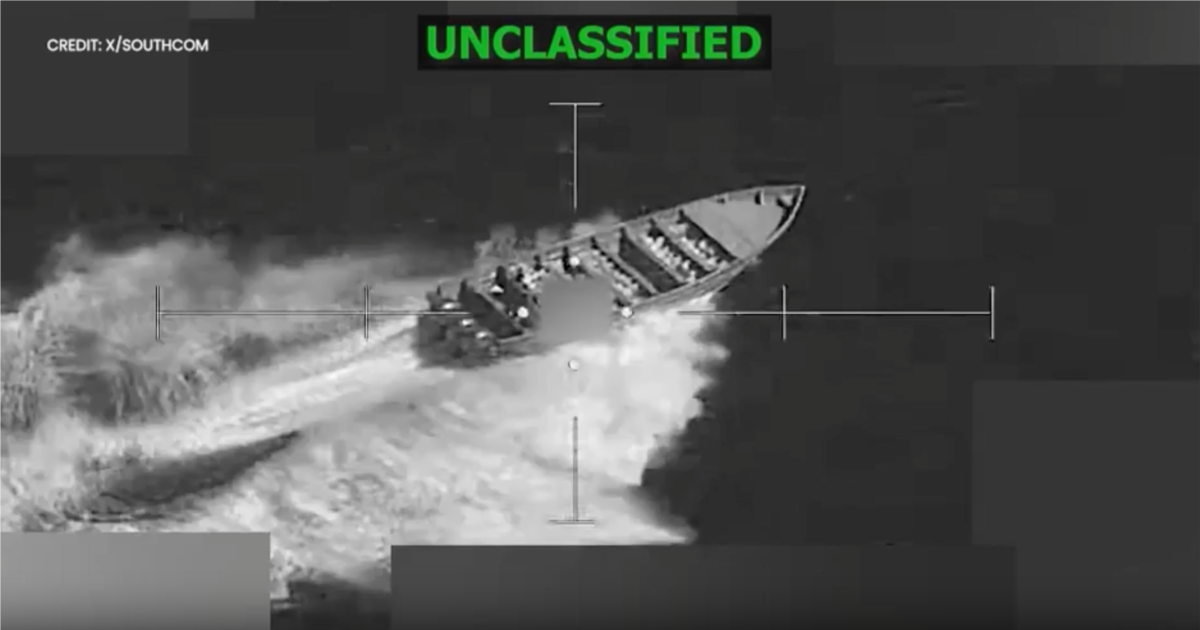
Washington is signaling a potential shift in its approach to Venezuela, reportedly considering direct talks with President Nicolás Maduro despite a simultaneous increase in U.S. military activity in the region [[1]]. This development comes as Venezuela faces a deepening political and economic crisis, and the U.S. weighs options ranging from diplomatic engagement to potential military intervention [[3]]. The U.S. military presence aims to address concerns over drug trafficking and regional stability,while Venezuela’s military capabilities remain significantly outmatched [[2]].
U.S. Considers Talks with Maduro as Military Presence in Region Increases
Washington is reportedly open to discussions with Venezuelan President Nicolás Maduro even as the U.S. military continues to bolster its presence in the Caribbean Sea, signaling a complex and evolving approach to the political and economic crisis in Venezuela. The potential for direct engagement marks a shift in tone from previous administrations that have largely shunned Maduro’s government.
Former President Donald Trump indicated that talks with Maduro are “possibly” underway, according to recent statements. This comes amid a significant deployment of U.S. naval assets to the region, including the arrival of the USS Carl Vinson, the largest aircraft carrier in the U.S. Navy, in the Caribbean. The development underscores growing regional tensions and the U.S.’s continued interest in the stability of Venezuela.
U.S. Army Secretary Christine Wormuth stated that the U.S. military is prepared to take action in Venezuela “at any time,” though she did not specify the nature of potential operations. This readiness reflects ongoing concerns about the humanitarian situation, drug trafficking, and the potential for regional instability stemming from the Venezuelan crisis.
In a separate development, the U.S. Marine Corps has initiated joint military exercises with the armed forces of Trinidad and Tobago. These exercises are intended to enhance interoperability and strengthen security cooperation in the region. The announcement could influence future diplomatic talks and demonstrate a commitment to collaborative security efforts.
The possibility of direct talks between the U.S. and Maduro’s government raises questions about the potential for a negotiated solution to the Venezuelan crisis. While the U.S. has previously called for free and fair elections and the release of political prisoners, the current situation suggests a willingness to explore all available options. The U.S. has maintained sanctions against Venezuela, contributing to the country’s economic woes and humanitarian challenges.
