

The Austrian Nationalrat approved the Erneuerbaren-Ausbau-Beschleunigungsgesetz (EABG) on June 11, 2026, after weeks of negotiations, with the Greens securing higher renewable energy targets and the FPÖ opposing it as a “blockade law” and “fairy tale.” The law aims to accelerate the expansion of renewables, setting 30 terawatt-hours (TWh) by 2030 and 40 TWh by 2035, while addressing local concerns over hydropower and community involvement.
Key Provisions of the EABG
The EABG, formally enacted after securing the Greens’ support, establishes binding targets for renewable energy expansion, including 30 TWh by 2030 and 40 TWh by 2035, up from 27 TWh and 35 TWh in earlier proposals. It also introduces verifiable goals for battery storage and mandates that states report progress on renewable projects starting in 2027. Failure to meet targets could result in reduced funding from the Technologiefonds and potential intervention by the energy minister, according to the ORF.

The law aligns with the EU’s RED III directive, designating “overriding public interest” for renewable energy projects to streamline approvals. This legal classification is a significant shift in Austrian administrative law, as it creates a rebuttable presumption that the public benefit of renewable energy projects outweighs other interests in the permitting process. However, it includes protections for untouched waterways, ensuring hydropower projects do not override environmental concerns, as noted by ORF.
Negotiations and Green Amendments
The Greens initially resisted the legislation, demanding higher targets and stronger safeguards for environmental groups. Their compromise included raising the 2030 goal by 3 TWh and incorporating provisions to reinstate complaint rights for environmental organizations, as reported by news.google.com. The agreement also addressed concerns about solar panel installations on covered supermarket parking lots, a point raised by FPÖ’s Paul Hammerl, who questioned the architectural and economic viability of such mandates in rural areas.
Wirtschaftsminister Wolfgang Hattmannsdorfer emphasized the law’s role in reducing reliance on fossil fuels and lowering electricity prices, stating it would “make Austria faster, safer, and more competitive.” The Greens’ Lukas Hammer highlighted the legislation’s shift from “a law that once slowed progress” to one that “will actually move the needle,” according to ORF. Proponents argue that the legislative framework addresses the “permitting bottleneck,” a condition where administrative delays frequently extend project timelines by several years.
FPÖ’s Criticism and Political Divide
The FPÖ rejected the EABG, labeling it a “blockade law” that stifles hydropower development and falsely claims renewables can reduce fossil fuel dependence. “It’s a fairy tale,” said FPÖ’s Axel Kassegger, criticizing the “vilification” of fossil fuels and the lack of a balanced approach to energy policy. The party also opposed provisions allowing solar panels on supermarket parking lots, arguing they prioritized “greenwashing” over practicality, as detailed in news.google.com.
The FPÖ’s opposition extended to blocking discussions on the EABG, instead focusing on unrelated topics like gender identity, according to Kurier. Their stance reflects broader ideological divides, with critics arguing the law’s success depends on overcoming regional resistance, particularly in areas where wind farm projects face local opposition. This partisan friction often centers on the tension between national climate goals and the principle of local autonomy, which is deeply rooted in the Austrian federalist structure.
Challenges and Local Implications
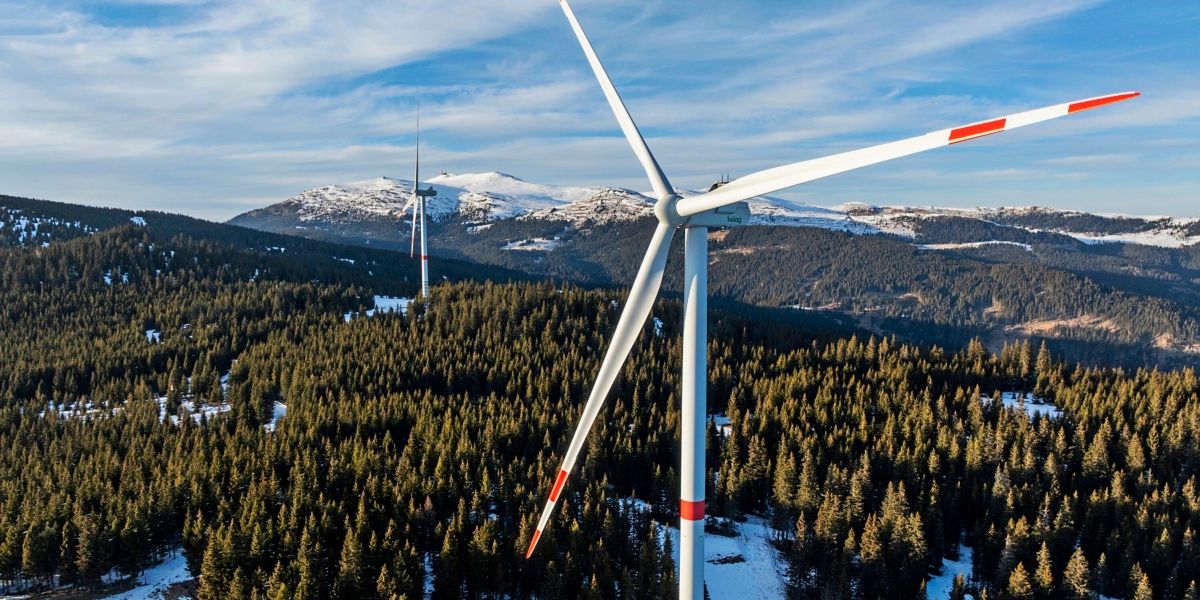
The EABG faces hurdles in implementation, particularly in regions where local governments resist renewable projects. Nearly a third of municipal referendums on wind farms have opposed them, leaving mayors “shamefully unsupported,” as noted by Kurier. The law’s effectiveness hinges on balancing national goals with local concerns, including ensuring communities benefit from renewable projects rather than bearing their burdens. In many cases, local opposition is driven by concerns over property values, landscape aesthetics, and noise, rather than purely ideological disagreements with renewable energy.

DiePresse.com highlighted the need for political unity, arguing that the EABG’s success depends on “speeding up the energy transition” and addressing systemic delays. “Austria can’t afford to be trapped in the two-thirds dilemma,” the editorial stated, urging leaders to prioritize the law’s goals despite partisan friction. The “two-thirds dilemma” refers to the constitutional requirement for a qualified majority in the Nationalrat to pass certain fundamental changes to energy policy, which necessitates cooperation between the governing coalition and at least one opposition party.
What Comes Next?
The EABG’s implementation will test Austria’s ability to reconcile environmental goals with regional interests. Critics warn that without stronger enforcement mechanisms, the 2030 and 2035 targets may remain aspirational. The law’s focus on hydropower protections and community engagement could set a precedent for future energy policies, but its long-term impact will depend on resolving conflicts between national ambitions and local resistance. The federal government must now coordinate with the nine Austrian states to ensure that state-level planning laws are harmonized with the new federal mandates.
As the country moves forward, the EABG represents a pivotal step in Austria’s energy strategy—but its legacy will hinge on whether it accelerates the transition or becomes another casualty of political gridlock. The upcoming evaluation of the Technologiefonds and the progress reports due in 2027 will serve as the first major indicators of whether the new legal framework is effectively reducing the duration of project approval cycles.
Find more reporting in our News section.
