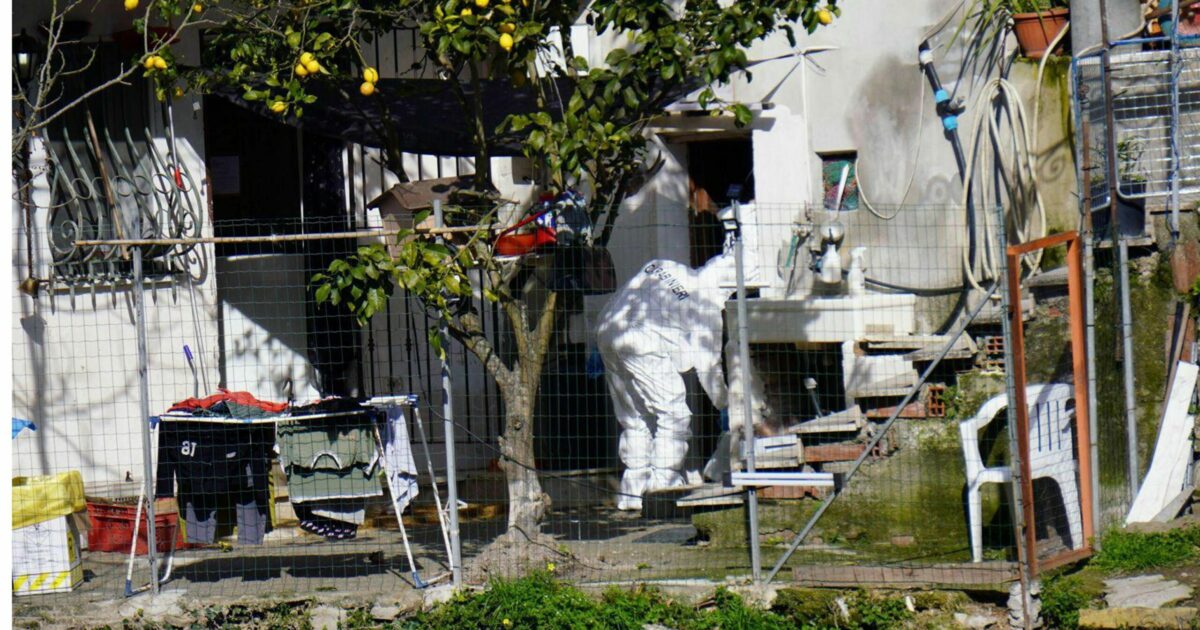
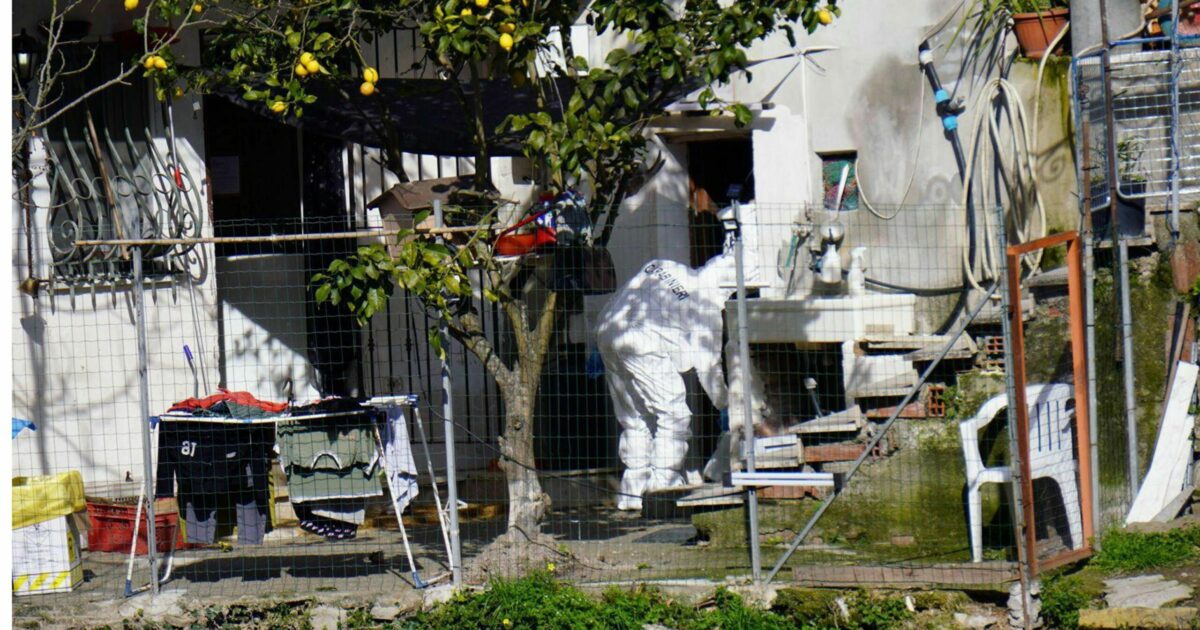
A 2-year-old girl named Beatrice died in February in Bordighera, Italy, after what investigators now describe as months of “atrocious maltreatment” by her mother and her mother’s partner. On May 31, 2026, the partner, Manuel Iannuzzi, was arrested and charged with aggravated maltreatment leading to death, joining her mother, Emanuela Aiello, already in custody. The case hinges on testimony from Beatrice’s 9-year-old sister, who described her final hours in harrowing detail—including moments when adults ignored pleas for medical help despite the child’s visibly deteriorating condition.
How a 9-Year-Old’s Testimony Unraveled the Truth
The sister’s account, shared under protective measures with prosecutors, paints a picture of deliberate neglect and cruelty. According to Il Fatto Quotidiano, she described Beatrice’s body as “completely purple” by the time she arrived at her mother’s partner’s home in Perinaldo on February 7, 2026. The child’s head lolled forward when lifted, her nose bleeding, and her lips swollen. Yet when the sisters—ages 7 and 9—asked to call for help, they were ignored. The next morning, Iannuzzi allegedly silenced them with the chilling words: *”Don’t go to school. Something terrible has happened.”* By then, Beatrice was already dead.
The sister’s testimony aligns with forensic evidence: Beatrice’s autopsy revealed a severe head trauma consistent with a violent blow, along with livid marks across her body—including one resembling a shoe imprint on her leg. Prosecutors now believe she suffered repeated abuse for months before her death, with the final assault occurring in Iannuzzi’s home. The sisters’ accounts also contradict the initial narrative that Beatrice died in a fall at her family’s home in Bordighera. Instead, they say she was taken there already deceased, her body wrapped in a red blanket.
“We asked to take her to the hospital, but they wouldn’t listen.”
*—9-year-old sister, via Il Fatto Quotidiano*
The Digital Trail: Photos and a Video That Exposed the Truth
The arrest of Iannuzzi marks a turning point in the case, driven in part by damning evidence found on his phone. Corriere della Sera reports that prosecutors discovered images of Beatrice with severe bruising, as well as a video showing her forced to inhale cigarette smoke while adults laughed. The video, described by investigators as evidence of a “savage intensity” of abuse, was a critical piece in securing Iannuzzi’s detention.
cluster (priority): news.google.com
Prosecutor Alberto Lari called the evidence “overwhelming,” emphasizing that the abuse was not isolated but part of a pattern of “vessatory domination.” The phone also contained messages and photos suggesting Beatrice was subjected to physical punishment regularly, including being held underwater to “revive” her—a claim corroborated by the sisters, who said they witnessed this tactic the morning of her death.
“They held her underwater to make her ‘better,’ then gave her sugar.”
*—Beatrice’s 7-year-old sister, via Avvenire*
Legal Shifts: From Omicidio Preterintenzionale to Aggravated Maltreatment
Initially, Aiello was charged with *omicidio preterintenzionale*—a crime punishable by up to 24 years in prison—but prosecutors have since upgraded the charges to *maltrattamenti aggravati*, a category that carries the same maximum penalty. The shift reflects new evidence, including the sisters’ testimony and the phone’s contents, which paint a far more deliberate and prolonged campaign of abuse.
Legal experts note the change signals a broader recognition of systemic abuse rather than a single, impulsive act. Il Post highlights that the prosecution now frames the case as one of “continuous cruelty,” where Beatrice’s suffering was ignored despite clear signs of distress. The sisters’ accounts—particularly their description of Beatrice vomiting repeatedly and begging for help—support this view.
The sisters’ removal from the family unit and subsequent psychological support were critical in unlocking their testimony. Investigators say they initially repeated the adults’ version of events but later recanted after realizing the severity of what they witnessed. Their descriptions of Beatrice’s final hours—including the moment she “spat out flesh” during a violent episode—have become central to the prosecution’s case.
What Happens Next: Trials, Sentencing, and the Sisters’ Future
With both Aiello and Iannuzzi now in custody, the focus shifts to the trial phase, which could last months. Prosecutors must prove that the abuse was not only repeated but that the adults’ failure to seek medical help—despite the sisters’ pleas—amounted to criminal negligence. The sisters’ safety remains a priority; they are being housed separately and receiving psychological care, though their long-term stability is uncertain.
The case also raises questions about Italy’s child protection systems. Beatrice’s death occurred despite multiple opportunities for intervention—from neighbors noticing her condition to the sisters’ desperate pleas. While the legal system now holds Aiello and Iannuzzi accountable, the broader failure to act earlier underscores gaps in identifying at-risk children. Advocates are already calling for stricter protocols when minors report abuse, particularly in cases involving family members.
For now, the sisters’ voices—once silenced—have become the most damning evidence against their abusers. Their testimony, combined with the digital proof, has transformed a tragic death into a case study in how systemic abuse can go unchecked until it’s too late.
The trial will determine whether justice is served—or if Beatrice’s story becomes another statistic in Italy’s struggle to protect its most vulnerable.
ail: emily.johnson@headlinez.news
Bio:
Emily Johnson serves as News Editor at Headlinez.News, overseeing the publication’s coverage of national and breaking stories. She has worked in journalism for more than 12 years, building a reputation for precision, credibility, and rapid-response reporting. Emily’s editorial philosophy focuses on clear, fact-based writing that helps readers understand the full context behind the day’s most important events. Her expertise bridges traditional reporting and modern digital news strategies.
Expertise: Breaking news, political reporting, fact-checking, newsroom coordination, public affairs.
Location: Washington, D.C., USA