
U.S. and China Set to De-escalate Trade War, Tariff Threats Receded
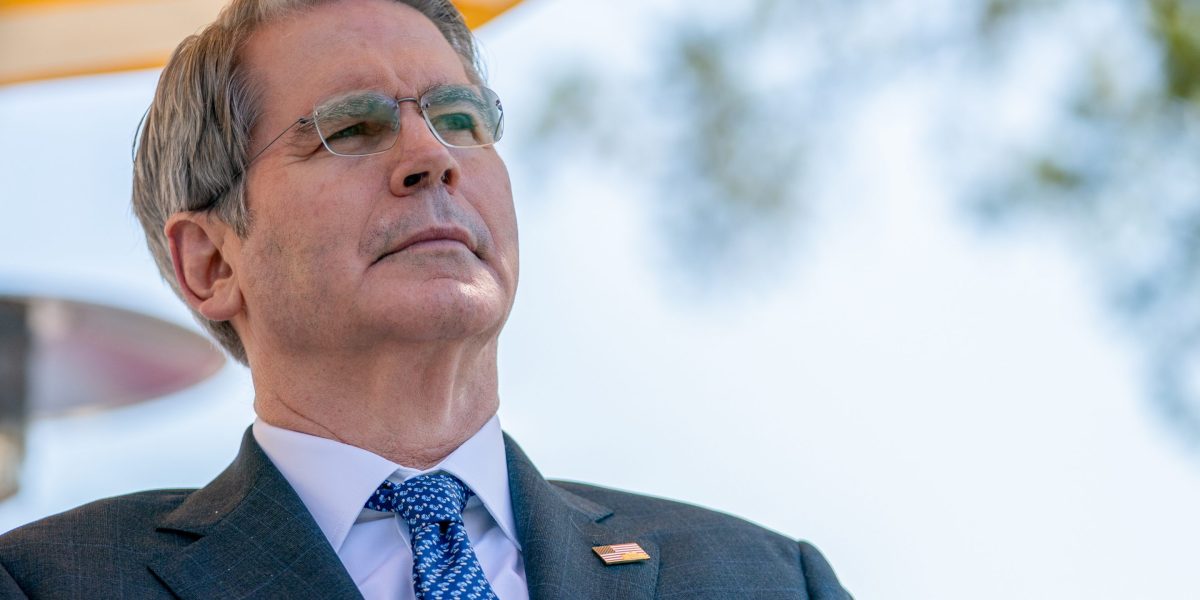
The United States and China are poised to significantly de-escalate their trade war following a framework negotiated by Treasury Secretary Scott Bessent, averting further economic strain on both nations.
Speaking yesterday on CBS News’ Face the Nation, Bessent stated that a proposed additional 100% tariff threatened by President Donald Trump earlier this month is “effectively off the table,” as are China’s restrictions on rare earth exports. “So I would expect that the threat of the 100% has gone away, as has the threat of the immediate imposition of the Chinese initiating a worldwide export control regime,” he said. This news comes as global markets react to uncertainty surrounding international trade policies.
Trump and Chinese President Xi Jinping are scheduled to meet Thursday on the sidelines of a regional economic conference in South Korea to finalize the details of the agreement. Bessent indicated that the threat of the higher tariffs provided crucial leverage during weekend talks in Malaysia with Vice Premier He Lifeng, where discussions also centered on American agricultural exports and China’s cooperation in curbing the fentanyl trade. American farmers, facing economic hardship due to falling crop prices, are particularly hopeful about the potential impact of increased exports; you can find more information about the challenges facing the agricultural sector here.
While declining to provide specifics, Bessent assured that soybean farmers will be “extremely happy with this deal for this year and for the coming years.” He also clarified that a recent Chinese purchase of soybeans from Argentina was planned prior to U.S. financial assistance to Buenos Aires, and simply took advantage of favorable export conditions. He added, “Those soybeans were always going to be on the market…I believe that we have brought the market back into equilibrium, and I believe that the Chinese will be making substantial purchases again.” Regarding export controls, Bessent confirmed that U.S. restrictions on chip exports and Chinese investments will remain unchanged, mirroring policies outlined in recent Commerce Department announcements.
Officials stated that the meeting in South Korea will focus on solidifying the agreement and establishing a framework for ongoing dialogue.
