
Skipping Breakfast Linked to Increased Risk of Arterial Disease
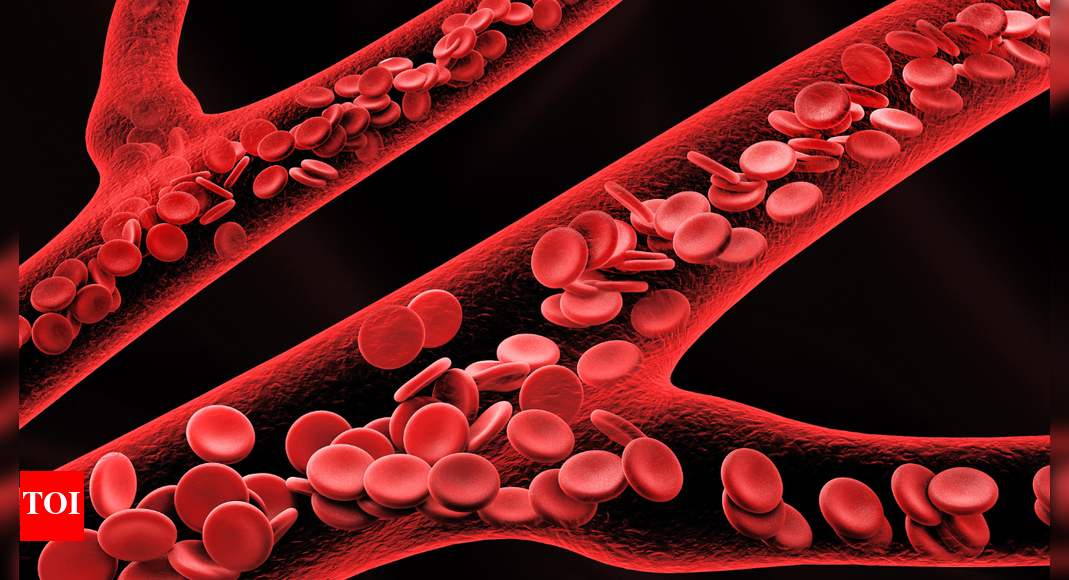
New research published today, October 17, 2025, indicates that regularly skipping breakfast is associated with a significantly higher risk of developing atherosclerosis, a condition where plaque builds up inside arteries.
The analysis, stemming from the PESA (Progression of Early Subclinical Atherosclerosis) study, categorized participants based on breakfast habits: high-energy breakfast (over 20% of daily calories), low-energy breakfast (5–20%), and skipping breakfast (under 5%). Findings revealed those who skipped breakfast had a substantially increased risk of atherosclerosis development. A report in the Journal of the American College of Cardiology further found adults who routinely skipped breakfast were 87% more likely to die of cardiovascular disease compared to those who ate it regularly.
Researchers believe the connection isn’t solely about what you eat, but when. Skipping breakfast disrupts the body’s circadian rhythm, leading to increased stress hormones like cortisol, which promote inflammation – a key factor in artery hardening. Individuals who forgo breakfast are also more likely to consume high-calorie, processed foods later in the day, further straining the vascular system. Maintaining healthy arteries is crucial for preventing heart attacks and strokes, the leading causes of death globally.
Experts recommend incorporating a balanced breakfast rich in fiber, antioxidants, and healthy fats – such as oats, nuts, seeds, fruits, and whole grains – to regulate metabolism and energy levels. Staying hydrated is also important. Physicians emphasize the importance of regular blood tests, lipid profile testing, and imaging scans like carotid ultrasound for early detection of arterial changes. For more information on maintaining cardiovascular health, resources are available from the American Heart Association.
Health officials continue to stress the importance of a consistent morning routine and a balanced diet, emphasizing that early detection and preventative measures are key to mitigating the risk of heart disease.
