
Federal Shutdown Raises Concerns Over Medicaid Access in Northern Colorado
A continuing federal shutdown is sparking worries among health centers in Northern Colorado and the patients they serve, as potential cuts to Medicaid threaten access to vital healthcare services.
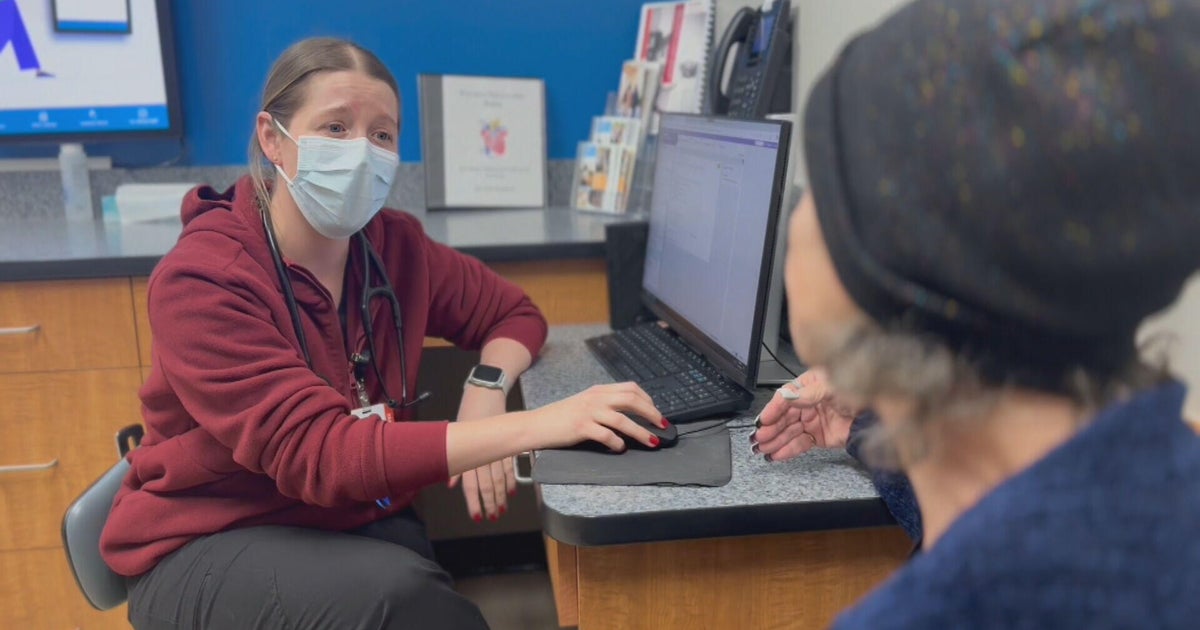
At the Monfort Family Clinic at Sunrise Community Health in Evans, Colorado, approximately 400 patients are seen each weekday, many of whom are working families – construction workers, restaurant staff, and truck drivers, according to Sunrise CEO Mitzi Moran. “They are the people that are making this economy work,” Moran explained. While Sunrise currently has federal funding through the existing grant cycle, the clinic is required to provide care regardless of a patient’s ability to pay, a situation that becomes unsustainable without consistent reimbursement. The shutdown has also halted new funding through the National Health Service Corps, a program crucial for staffing clinics in underserved areas.
The potential loss of Medicaid coverage is particularly concerning for patients like Julie Shelanie, who expressed frustration with the political gridlock impacting healthcare. “I don’t like you, so I’m going to fight with you…My granddaughter has Medicaid. Both my daughters have Medicaid. And if they cut Medicaid from my whole family, it’s really going to be hurting,” she said. Approximately 50% of Sunrise’s patients rely on Medicaid, and a loss of those payments would be “devastating,” Moran stated. This comes as Colorado, like many states, has been reassessing Medicaid eligibility following the end of pandemic-era policies that kept people enrolled, leading to increased uninsurance rates and financial strain on clinics – as detailed by the Kaiser Family Foundation.
Moran fears that significant cuts to the Affordable Care Act and Medicaid could leave as many as a quarter of Sunrise’s patients without care, potentially driving them to already-burdened hospital emergency rooms, which are federally mandated to provide basic care regardless of ability to pay under the Emergency Medical Treatment & Labor Act. Reduced access to preventative care can lead to more serious and costly health issues down the line. Moran emphasized the broader consequences, stating, “It is just so shortsighted to take affordable access to care away from people.”
Sunrise Community Health officials are closely monitoring the situation in Congress and preparing contingency plans, while urging lawmakers to recognize the precarious state of healthcare access for vulnerable populations.
