
CoQ10 Supplement Use Rising: Benefits and Risks Examined
Coenzyme Q10, a naturally occurring compound, is gaining popularity as a supplement for energy and heart health, but the extent of its benefits remains under investigation.
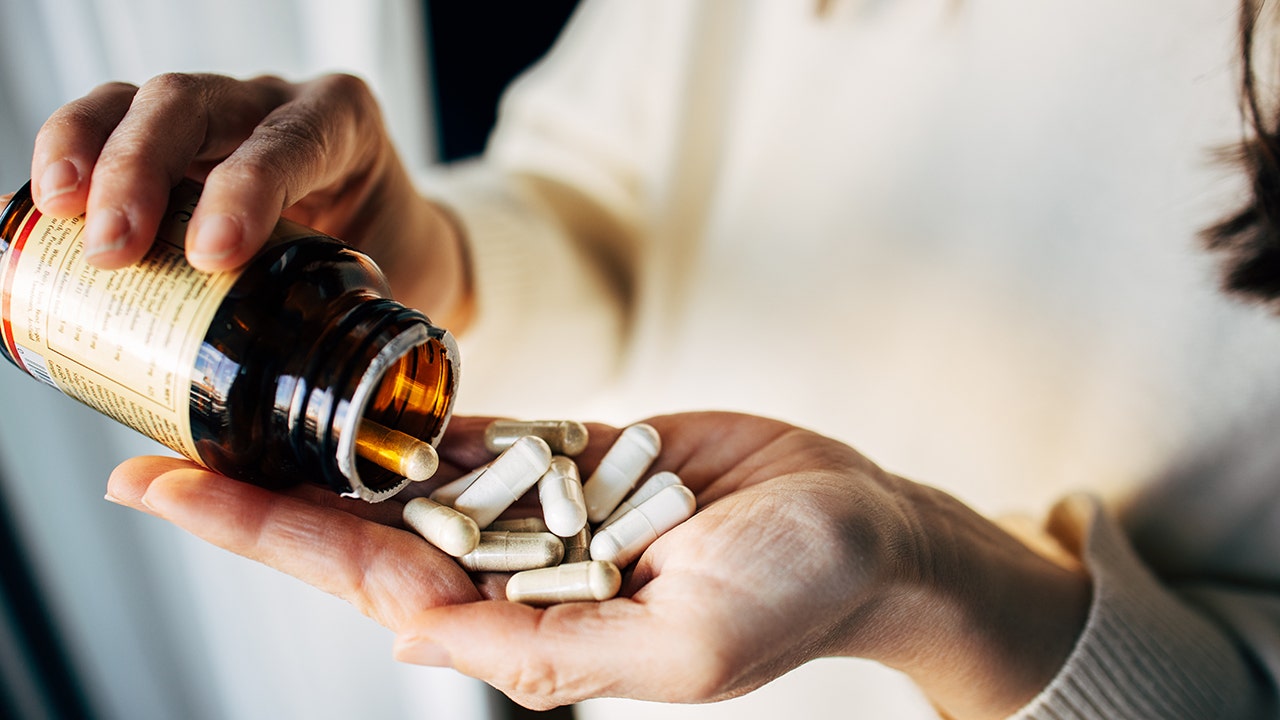
CoQ10 is found in every cell of the body and plays a role in converting food into energy while also acting as an antioxidant. Many individuals are turning to CoQ10 supplements as levels naturally decline with age and can be further reduced by certain medications. While marketed for a range of benefits – including heart health, energy boosts, muscle recovery, and brain protection – the National Center for Complementary and Integrative Health (NCCIH) states there is inconclusive clinical evidence to broadly prevent or treat disease with CoQ10.
Some studies suggest potential benefits like slightly lowered blood pressure or reduced fatigue linked to cholesterol-lowering drugs, but larger, well-designed trials are needed to confirm these findings for conditions like Parkinson’s disease or heart disease. Experts generally consider CoQ10 safe for most, with mild side effects like stomach upset or insomnia being the most common. However, the NCCIH cautions that it can interact with medications such as blood thinners and insulin. The increasing use of supplements like CoQ10 highlights a growing trend of self-treatment, potentially impacting doctor-patient communication about overall health.
Cardiologists are cautiously optimistic, noting a 2022 American College of Cardiology (ACC) press release linked micronutrients, including CoQ10, to reduced cardiovascular risk and potentially lower all-cause mortality. Because supplements aren’t regulated as strictly as prescription drugs by the Food and Drug Administration, it’s recommended to choose products with third-party testing, such as those with a U.S. Pharmacopeia (USP) seal, to ensure quality and purity. For more information on supplement safety, visit the National Institutes of Health Office of Dietary Supplements. Experts advise consulting a doctor to determine the appropriate dosage, typically between 100 mg and 200 mg per day, and to discuss potential interactions with existing medications.
Health officials recommend that individuals prioritize regular exercise, a balanced diet, and doctor-supervised care for optimal heart health, emphasizing that CoQ10 is not a substitute for these established practices.
