
Tanzania Lifts Dar es Salaam Curfew as Post-Election Unrest Subsides
Tanzanian police lifted a night-time curfew in Dar es Salaam today, signaling a gradual return to normalcy following violent protests sparked by last week’s presidential election results.
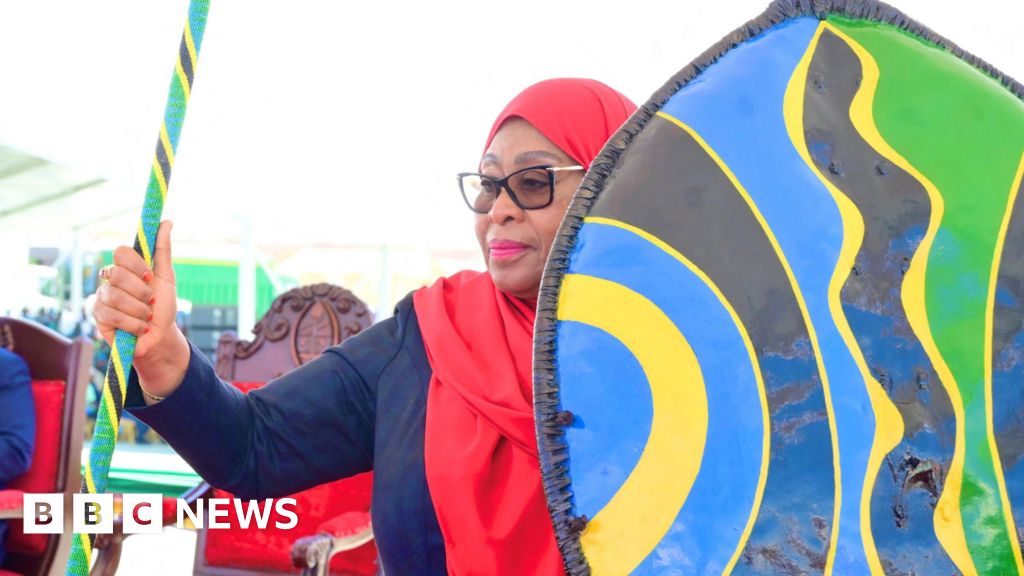
The unrest followed the declaration of Samia Suluhu Hassan as the winner with 98% of the vote, a result contested by opposition parties and criticized by international observers. Following the election, internet access was disrupted nationwide, and businesses in Dar es Salaam largely closed amid shortages and price increases. While some shops reopened and traffic resumed yesterday, queues at petrol stations persist. Reports indicate families are still searching for loved ones killed during clashes between security forces and opposition supporters.
Concerns over the election’s fairness have been raised by the Southern African Development Community (Sadc), which stated in a preliminary report that the poll fell short of democratic standards. Key opposition figures, including Tundu Lissu – currently detained on treason charges he denies – and Luhaga Mpina, were barred from contesting the election. The Chadema party reported “no less than 800” deaths by Saturday, while a diplomatic source suggested at least 500 fatalities; these figures remain unconfirmed by the government. The UN human rights office has reported at least 10 deaths in three cities. Chadema also reported the disappearance of its deputy chairman, John Heche, after being taken from a police station in Dodoma on Tuesday, with his whereabouts currently unknown. This political instability could impact Tanzania’s economic growth and regional standing.
Restrictions on social media remain in place, and police have warned against sharing protest images. Disturbing reports have emerged from Muhimbili Hospital in Dar es Salaam, where a doctor, speaking anonymously, claimed vehicles were collecting bodies at night for unidentified burials, and that police were removing injured and recovering patients from the emergency department. Witness accounts, such as that of a woman identifying herself as Mama Kassim, detail the anguish of families unable to locate their loved ones. For more information on the challenges facing democratic processes in Africa, see Human Rights Watch’s Africa page. The government has blamed foreign nationals for stoking the violence, a claim disputed by many. President Hassan acknowledged the loss of life during her inauguration, but maintained that some of those arrested were foreign nationals. Amnesty International has condemned the excessive force used to suppress protests.
Authorities have refused to comment on the latest reports regarding Heche’s disappearance and are directing inquiries to the government spokesperson, who has yet to respond.
