
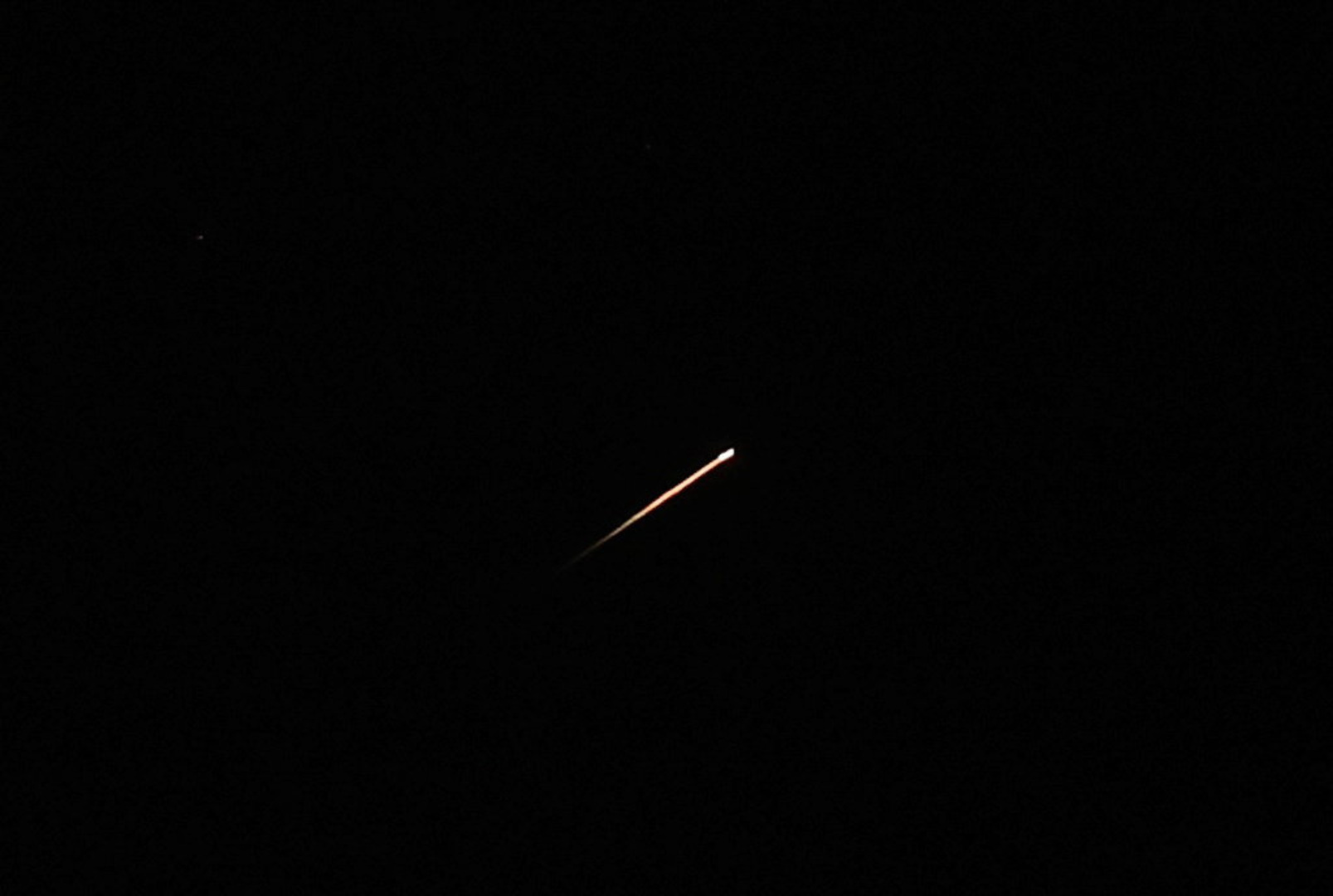
Iran launched missiles toward Israel on June 8, 2026, in response to Israeli strikes on Beirut’s southern suburbs, sparking a cycle of threats between the two nations. Israel vowed to escalate attacks on Lebanon, while Iran warned of further action if the strikes continued, according to Al Jazeera.
Israel’s Retaliation and Ceasefire Tensions
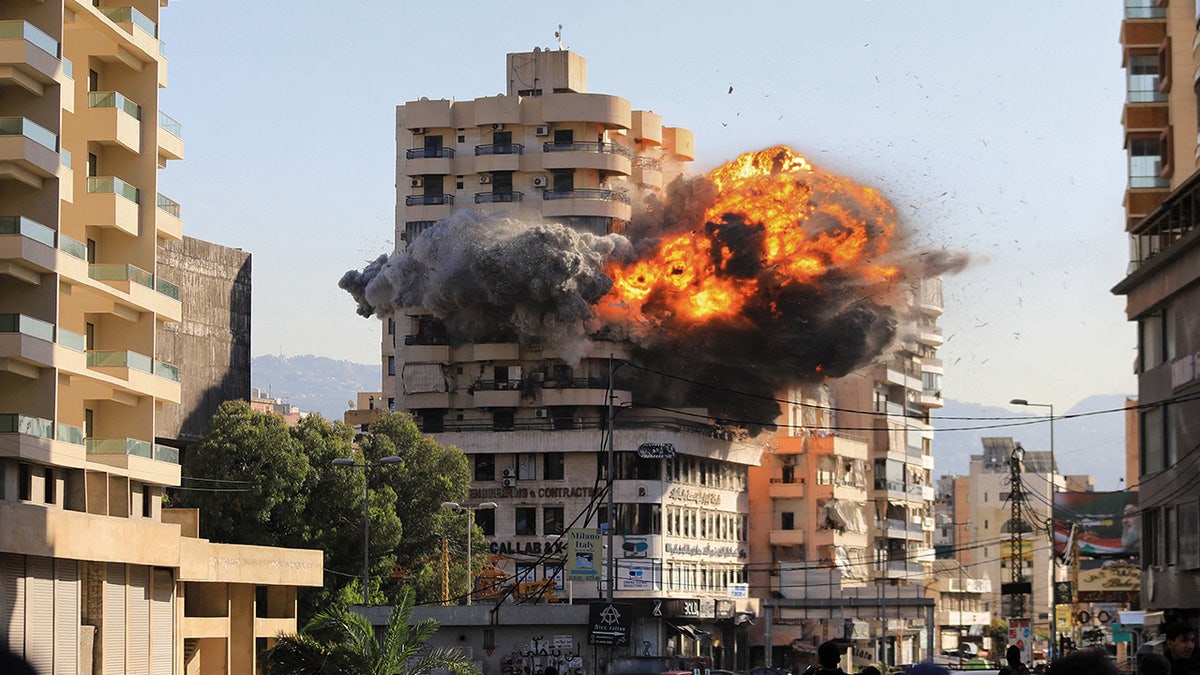
Israel’s strikes on Beirut’s southern suburbs occurred days after a ceasefire agreement in Washington, which Beirut sought to solidify to end the war. The Israeli Prime Minister’s office attributed the attacks to Hezbollah’s firing toward northern Israel, though Hezbollah did not immediately claim responsibility. The strikes, described as targeting “command centers” in densely populated areas, came amid renewed talks between Lebanese and Israeli officials. No casualties were reported, but the timing underscored the fragility of the ceasefire, as The Independent noted.
Trump’s Intervention and Escalation Risks
U.S. President Donald Trump intervened directly, urging Israeli Prime Minister Benjamin Netanyahu not to retaliate against Iran’s missile attack. In comments to Axios, Trump warned that a response could reignite a cycle of violence, stating, “Hopefully Israel is not going to retaliate. If Bibi strikes them back it’s just gonna keep going like the last 47 years, or the last 3000 years.” He added, “Each of them had their fun. Israel had its strike and Iran had its strike. We don’t need another one,” The Independent reported. Trump also claimed, “I call the shots. He [Netanyahu] doesn’t call the shots,” signaling his influence over Israel’s military decisions.

For more on this story, see Iran Threatens New Retaliation After U.S. Strikes in Strait of Hormuz.
Trump’s remarks highlighted a growing rift between the U.S. and Israel as he seeks to de-escalate the Middle East conflict. His comments contrasted with the Israeli military’s readiness to respond, as the head of the IDF indicated it was prepared to act “as soon as the order was given.” The tension between U.S. diplomacy and Israeli military strategy could shape the region’s trajectory in the coming weeks.
Iran’s Threats and Regional Implications
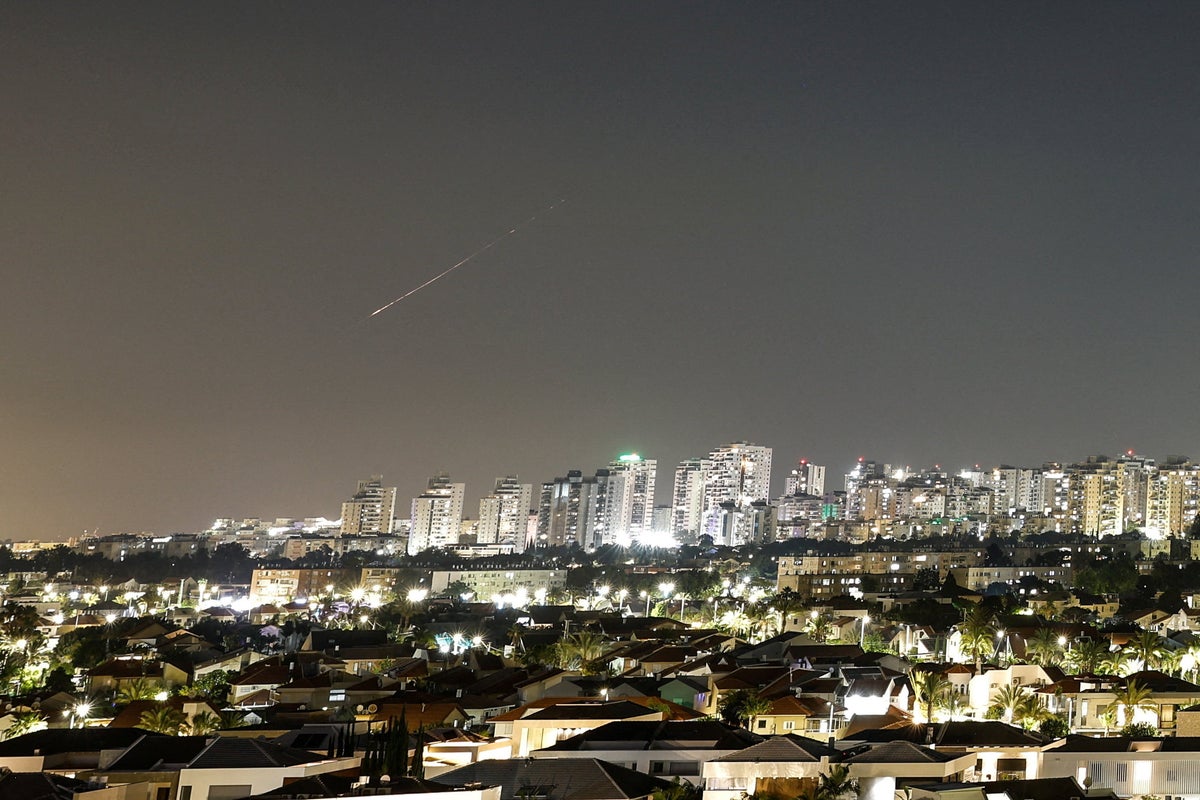
Iran’s missile launch was framed as a “crushing response” to Israeli strikes, with officials warning of “more crushing and regretful blows” if further attacks occurred. The attack marked a significant escalation in the years-long cycle of retaliation between the two nations, which has seen periodic clashes over Hezbollah, nuclear ambitions, and regional influence. Iran’s actions also risk destabilizing the fragile ceasefire in Lebanon, where Hezbollah’s role remains a flashpoint.
The threat of renewed conflict has drawn international scrutiny. David Lammy, the UK’s foreign secretary, acknowledged the possibility of “arrangements can be made” to secure the release of a British couple imprisoned in Iran, The Independent reported. While this dialogue focuses on diplomatic leverage, it underscores the broader geopolitical stakes as Iran and Israel test the limits of regional stability.
This follows our earlier report, U.S. strikes Iranian drone bases after Strait of Hormuz intercepts.
What Comes Next?
The immediate focus will be on whether Israel heeds Trump’s caution or proceeds with further strikes. A response could trigger a rapid escalation, with Iran likely to retaliate and Hezbollah potentially intervening. The U.S. faces a delicate balancing act: curbing Israeli actions to avoid a wider war while maintaining its alliance with Jerusalem. Meanwhile, Lebanon’s government, which brokered the recent ceasefire, will seek to prevent its territory from becoming a battleground once more.
The situation also raises questions about the role of external actors. Iran’s missile capabilities and Israel’s military superiority create a volatile equilibrium, while the U.S. aims to reduce its involvement in the region. As Trump’s influence wanes in the coming months, the pressure on Netanyahu to navigate this crisis without further provocation will intensify. The next 30 days could determine whether the cycle of violence continues or if diplomatic efforts gain traction.
For now, the region remains on edge, with every missile launch and threat carrying the weight of decades of conflict. The stakes are clear: a miscalculation could plunge the Middle East into chaos, while measured diplomacy might offer a fleeting reprieve. As one analyst noted, “This isn’t just about two countries—it’s about the entire region’s future.”
