
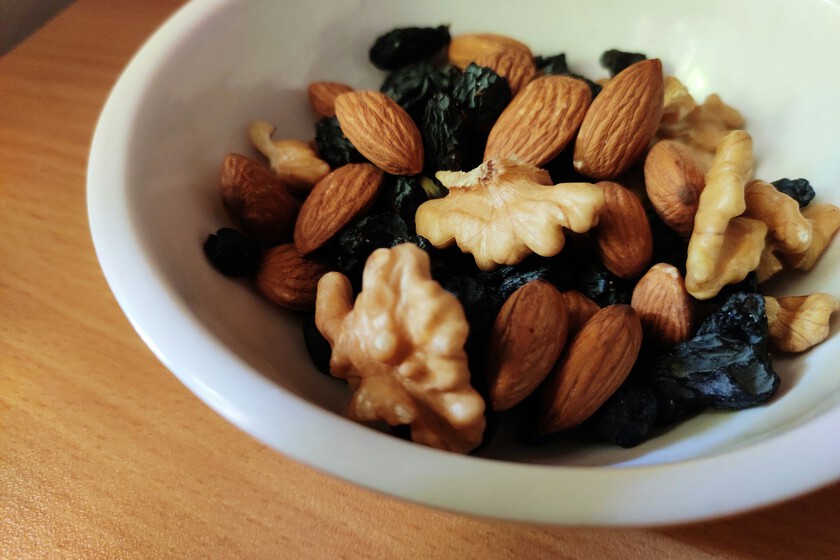
Epidemiologist Tim Spector, a professor at King’s College London, is advocating for the daily consumption of mixed nuts to bolster brain health and cognitive function. Citing the gut-brain axis, Spector argues that shifting away from calorie-focused dieting toward diverse, fiber-rich plant intake can significantly improve mood, energy, and long-term neurological resilience.
From Dietary Pariahs to Brain Health Essentials
For decades, nutritional advice frequently cast nuts as enemies of a healthy heart, primarily due to their high caloric density and fat content. According to the insights shared by Dr. Tim Spector on the podcast The Diary of a CEO, the medical community has undergone a radical shift in perspective. Spector recalls his own early career experiences, noting that the prevailing wisdom at the time was to avoid nuts entirely.

“Solíamos demonizar los frutos secos porque tenían grasa. Cuando yo tenía 20 años, no se podían comer cacahuetes ni esas cosas. Son muy malos para el corazón, decían.”
Dr. Tim Spector, epidemiologist and professor at King’s College London
This reversal in scientific consensus reflects a broader change in how experts approach metabolic health. Rather than viewing food through the narrow lens of caloric intake—a method Spector characterizes as flawed—modern research suggests that the quality of food and its interaction with the gut microbiome are the true drivers of health. As reported by El Diario NY, the expert emphasizes that restrictive calorie counting often backfires, as hunger signals become the primary engine of obesity.
The Gut-Brain Connection and Cognitive Resilience
The biological rationale for consuming nuts lies in the complex communication network between the intestines and the brain. According to Xataka, a 2024 review published in Signal Transduction and Targeted Therapy highlights that gut microbiota not only process nutrients but also regulate glial cells, which serve as the brain’s primary defense system. When we consume the fiber and polyphenols found in nuts, our gut bacteria ferment these compounds into short-chain fatty acids that can cross into the brain, theoretically reducing neuroinflammation and supporting neuronal plasticity.
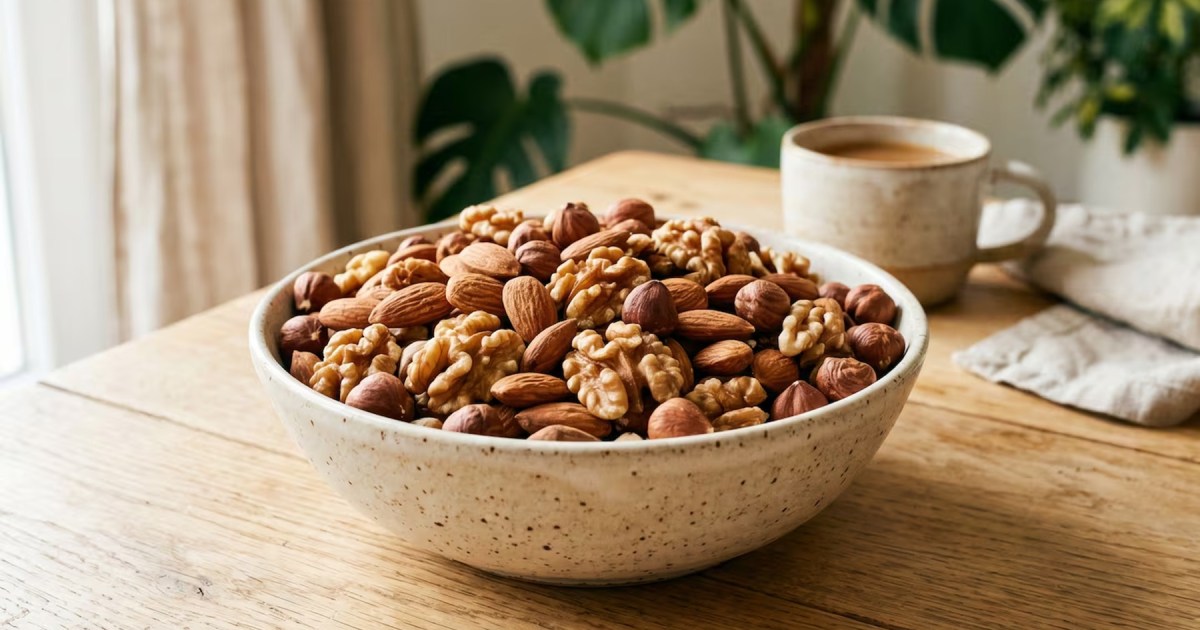
Spector’s practical application of this science is grounded in the principle of diversity. He argues that relying on a single type of nut is less effective than consuming a variety, as each offers unique nutrients, including essential omega-3 and omega-6 fatty acids. La República notes that this diversity supports the overall microbial richness of the gut, which correlates with better connectivity in brain regions responsible for memory and emotion.
“Pero la idea no debería ser que solo hay un tipo de fruto seco que se debe comer para ayudar al cerebro. Deberíamos atender al principio de diversidad. Por lo tanto, los frutos secos mixtos son realmente la mejor manera de ayudar a la salud cerebral y general. La clave es mezclarlos.”
Dr. Tim Spector, epidemiologist and professor at King’s College London
Experimental Evidence and Lifestyle Impact
The real-world impacts of these dietary changes were illustrated in a recent experiment involving four families who shifted from a diet heavy in ultra-processed foods to one rich in gut-friendly nutrients. Spector described the results as transformative, noting that participants experienced a sharp increase in alertness and energy levels. Diario Río Negro reports that this improvement stems from a feedback loop: once individuals recognize the connection between their gut health and their mental clarity, they are more likely to sustain healthier eating habits.
:format(jpg):quality(99):watermark(f.elconfidencial.com/file/a73/f85/d17/a73f85d17f0b2300eddff0d114d4ab10.png,0,275,1)/f.elconfidencial.com/original/404/a9a/c42/404a9ac4205fc4ccb43e56a3456432fc.jpg "cluster (priority): news.google.com")
Beyond anecdotal observations, there is quantitative data supporting these claims. Research conducted by the University of Rovira i Virgili and published in Age and Aging tracked 747 patients with metabolic syndrome over six years. Those who consumed three to seven servings of nuts per week exhibited a significantly slower rate of cognitive decline. The researchers observed that this consumption correlated with an increased Shannon index, a standard scientific measure of microbial diversity in the gut.
Clinical Implications and Future Outlook
The stakes for maintaining a healthy gut-brain axis are significant, particularly concerning long-term disease prevention. Spector highlights that the metabolic health of the gut is inextricably linked to psychiatric and neurological conditions. Individuals diagnosed with type 2 diabetes, for instance, face a fourfold increase in the probability of developing cerebral diseases, ranging from depression to bipolar disorder and schizophrenia.
For those looking to integrate these findings into their daily routines, the recommendation is straightforward: avoid the “demonization” of fats and embrace a diverse intake of plant-based foods. Spector suggests that incorporating a handful of mixed nuts into breakfast—perhaps alongside yogurt or kefir—is a simple, effective way to initiate these benefits. While the scientific community continues to explore the exact mechanisms, the current consensus is that a diverse, fiber-rich diet is a foundational pillar for protecting cognitive function as we age.
Note: This article is for informational purposes and does not constitute medical advice. Please consult your healthcare provider before making significant changes to your diet or treatment plan.
