
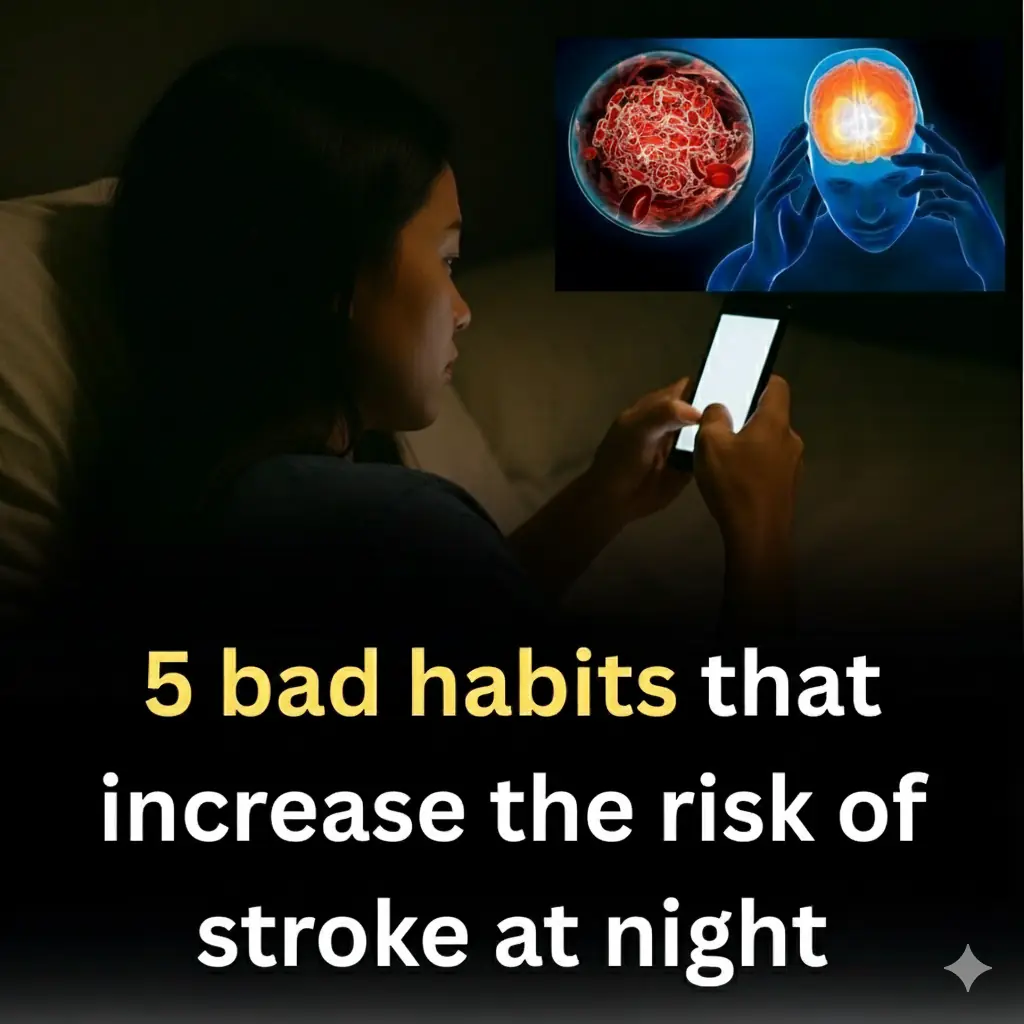
A new analysis of cardiovascular research reveals five common nighttime routines that directly raise LDL cholesterol and triglycerides, according to specialists cited by Eating Well this week. From sedentary evenings to late-night stress, these behaviors disrupt metabolism and increase heart disease risk—with experts now linking them to measurable spikes in blood fat levels.
Five Nighttime Behaviors Linked to Worsening Cholesterol Levels
Research published this month identifies five specific behaviors after dinner that impair lipid metabolism and elevate cardiovascular risk. The findings, drawn from cardiologists and nutritionists, underscore how evening routines can undermine decades of healthy eating.

1. Sitting after dinner: The silent trigger for insulin resistance
Staying sedentary for hours after eating is a major contributor to elevated triglycerides and LDL cholesterol, according to cardiologist Sergiu Darabant of the Miami Cardiac & Vascular Institute. His analysis shows that prolonged inactivity post-meal fosters resistance to insulin and promotes visceral fat accumulation, both of which raise blood lipid levels.
Darabant’s recommendation: A 10- to 15-minute walk after dinner improves lipid clearance. “Caminar después de comer, especialmente por la noche, contribuye a reducir los triglicéridos posprandiales y mejora el metabolismo lipídico nocturno al aumentar la capacidad del organismo para eliminar grasas de la sangre,” he told reporters this week. Translation: “Walking after eating—especially in the evening—helps lower post-meal triglycerides and enhances nighttime fat metabolism by boosting the body’s ability to clear fats from the blood.”
2. Nightcap risks: Alcohol’s double hit on liver and lipids
Consuming alcohol in the evening disrupts lipid profiles by elevating triglycerides and overburdening the liver, according to Michelle Routhenstein, a nutritionist cited in recent cardiovascular studies. While moderate alcohol intake may have mixed effects, nighttime consumption is linked to higher LDL levels and increased risk of fatty liver disease.
Routhenstein’s data shows that alcohol’s impact is dose-dependent: “El alcohol eleva los triglicéridos y sobrecarga el hígado, lo que genera mayores niveles de colesterol y eleva el riesgo de desarrollar hígado graso.
3. Late-night feasting: How dinner timing derails metabolism
Eating within two to three hours of bedtime impairs fat metabolism and disrupts sleep, according to Routhenstein. Late dinners lead to higher post-meal triglyceride spikes and poorer lipid regulation overnight. Her research notes that late eaters often opt for higher-fat, higher-sugar snacks, further exacerbating cholesterol imbalances.
4. Stress before bed: The cortisol-cholesterol connection
Chronic stress before sleep triggers cortisol release, which prompts the liver to produce more LDL cholesterol. Routhenstein explains that elevated cortisol not only disrupts sleep quality but also stimulates lipoproteins loaded with harmful fats. “El estrés crónico eleva el cortisol, empeora la calidad del sueño y facilita la presencia de colesterol LDL en la sangre,” she said.
5. Poor sleep hygiene: The overlooked link to lipid disorders
While not a direct habit, irregular sleep patterns—often worsened by late-night screen use or stress—are tied to higher LDL and lower HDL. Studies cited by Eating Well show that disrupted sleep alters hormones regulating appetite and fat storage, indirectly raising cholesterol.
Expert Recommendations for Healthier Evening Routines
- Post-dinner movement: Even a short walk lowers triglycerides.
- Alcohol timing: If consumed, do so at least three hours before bedtime.
- Dinner windows: Aim to finish eating 2–3 hours before sleep.
- Stress management: Techniques like deep breathing or meditation to lower cortisol.
- Consistent sleep schedules: Prioritizing 7–9 hours of uninterrupted rest.
How Nighttime Habits Influence Long-Term Heart Health
These findings align with broader trends in circadian metabolism, where evening behaviors increasingly appear to influence long-term heart health. While genetics and diet remain primary factors, emerging research suggests that how we spend our evenings may be as critical as what we eat.

For those with preexisting lipid disorders, even minor adjustments to nighttime routines could yield measurable improvements in cholesterol profiles—without drastic dietary overhauls.
Next steps: Clinicians now recommend evening habit audits for patients with high triglycerides or LDL. Simple changes, like standing during TV time or swapping late-night snacks for herbal tea, may offer quick wins in cardiovascular risk reduction.
Key Studies and Expert Sources Behind the Findings
- Sergiu Darabant, Miami Cardiac & Vascular Institute (cited in Eating Well, May 2026).
- Michelle Routhenstein, nutritionist (cited in Infobae, May 30, 2026).
- Eating Well analysis of lipid metabolism studies (May 2026).
