
European Leaders Confident in $159 Billion Ukraine Loan Plan Backed by Frozen Russian Assets
European leaders are increasingly optimistic that a proposal to provide Ukraine with a €140 billion (approximately $159 billion) loan, secured against frozen Russian central bank deposits, will be finalized by the end of the year, a move considered vital to sustaining Kyiv’s defense capabilities.
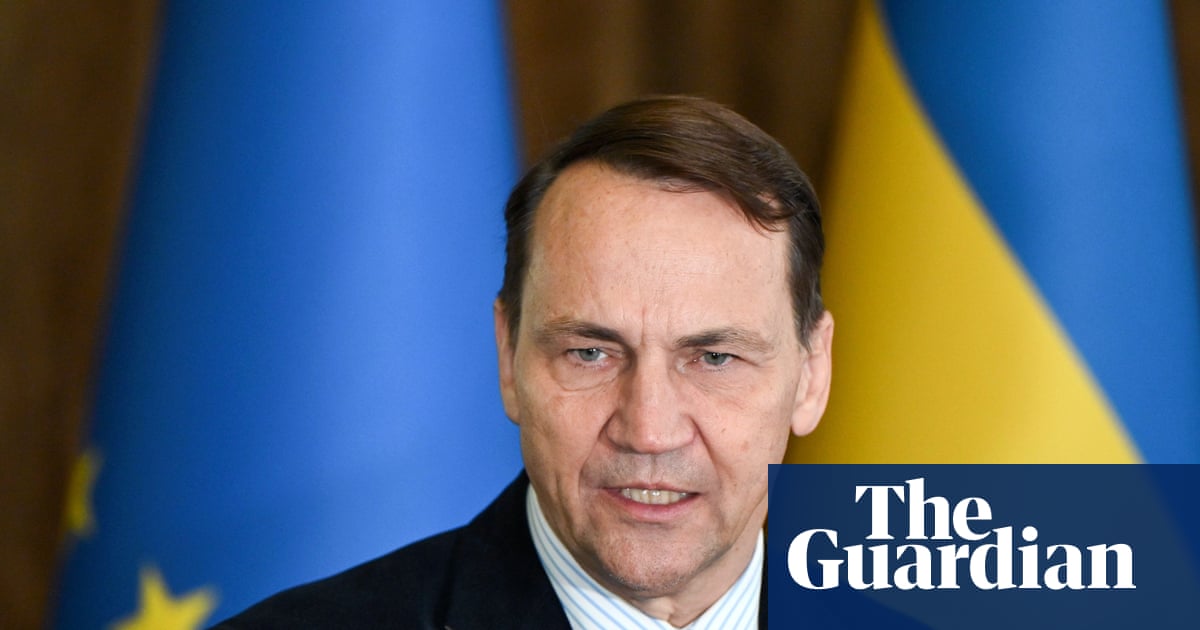
Discussions surrounding the European Commission’s proposals took place last week during a meeting of G7 finance ministers in Washington and are scheduled for debate at an upcoming EU leaders summit in Brussels. Polish Foreign Minister Radosław Sikorski expressed confidence in a resolution, stating, “It’s very simple, either we use the aggressor’s money or we will have to use our own money. Don’t ask me which I prefer.” The plan, outlined in a two-page document, involves the EU issuing an interest-free loan to Ukraine, predicated on Russia utilizing the frozen assets for war reparations following the conflict’s conclusion. This comes as Ukraine faces increasing financial strain and uncertainty regarding future aid packages.
Belgium, which holds approximately €183 billion of the frozen assets at Euroclear, has requested firm guarantees against potential financial losses should the scheme falter, potentially triggering legal challenges. The UK, despite holding fewer frozen Russian assets directly, is expected to contribute to underwriting the debts alongside other G7 nations, as discussed by UK Finance Minister Rachel Reeves in Washington. The US contribution remains uncertain, though its involvement is seen as politically and legally significant. For more information on the complexities of frozen assets, see the Council on Foreign Relations’ explainer.
While the plan does not involve confiscation, it relies on the continued freezing of Russian assets, and the European Commission is exploring a legal mechanism to prevent individual countries from vetoing the renewal of sanctions that maintain the freeze. Officials stated that they are “continuing to develop the UK’s approach, and are only considering options which are in line with international law and that are economically and financially responsible.” You can find more details on the EU’s sanctions regime here.
EU leaders are expected to call for a detailed proposal on utilizing the assets, adhering to international law and ensuring European solidarity and risk-sharing at Thursday’s summit.
