
Google Announces New Fitbit Devices for 2025
Google confirmed today that new Fitbit devices are slated for release next year, marking a potential turning point for the fitness tracker brand after a period of feature reductions and strategic shifts.
The announcement follows a recent overhaul of the Fitbit app, including the introduction of an AI-powered personal health coach for Fitbit Premium subscribers. For years, Fitbit users have experienced a decline in features, including the removal of community challenges, offline music storage, and third-party app support, as Google focused development on its Wear OS platform and the Pixel Watch line. The Versa 4 and Sense 2 were released as streamlined devices, leading some to believe Google would discontinue further Fitbit hardware development.
Despite past challenges, current Fitbit trackers like the Inspire 3 remain popular, offering features such as automatic workout detection and up to a week of battery life, alongside six months of Fitbit Premium access. Fitbit Premium has been recognized as a leading fitness app, earning a 4.5-star rating and inclusion on lists of the best fitness apps available. The success of the Google Pixel Watch, which incorporates many Fitbit features, appears to have influenced the decision to reinvest in the Fitbit brand. The fitness tracker market has become increasingly competitive, with numerous brands vying for consumer attention, but Fitbit maintains strong brand recognition.
Analysts suggest Google may position the new Fitbit devices as a more affordable and fitness-focused alternative to the Pixel Watch, potentially adopting a design language similar to the Apple Watch SE series. This strategy could allow Fitbit to recapture its position as a leader in the fitness tracker space, appealing to users who prioritize simplicity and battery life. Google has not yet released details regarding specific features or release dates, but the company indicated it is exploring ways to leverage the Fitbit brand’s legacy and the capabilities of its AI technology.
Google officials stated they are committed to innovating within the Fitbit ecosystem and providing users with a range of options to meet their health and fitness needs.
Last week, Google announced that new Fitbit devices will be coming next year. A surprise, to be sure, but a welcome one. This follows a recent revamping of the Fitbit app – including an AI personal health coach for Fitbit Premium users.
I’ve been critical of Google’s handling of Fitbit in the past. Ever since Google began acquiring Fitbit in 2019, it’s been an endless churn of negative headlines – some of those by me. To start with, the European Union placed a 10-year moratorium on Google using the data it collected as a result of the Fitbit sale for advertising purposes in the European Economic Area, provoking concerns that Google would use Fitbit data for invasive advertising in other regions.
The Fitbit Versa 4 and Fitbit Sense 2 smartwatches were released as fairly basic smartwatches with the features above gutted, and Google, in a quote to Engadget, said there would be no more after this. It makes sense, I suppose, to leave Fitbit devices as the slim trackers they once were, and keep the Pixel Watch as the range’s sole annual smartwatch entry, but Google pulling apart Fitbit’s ecosystem for scraps and data, keeping what it wants and discarding what it doesn’t, has been a real blow to many existing Fitbit users and led to a decline in Fitbit-branded devices.
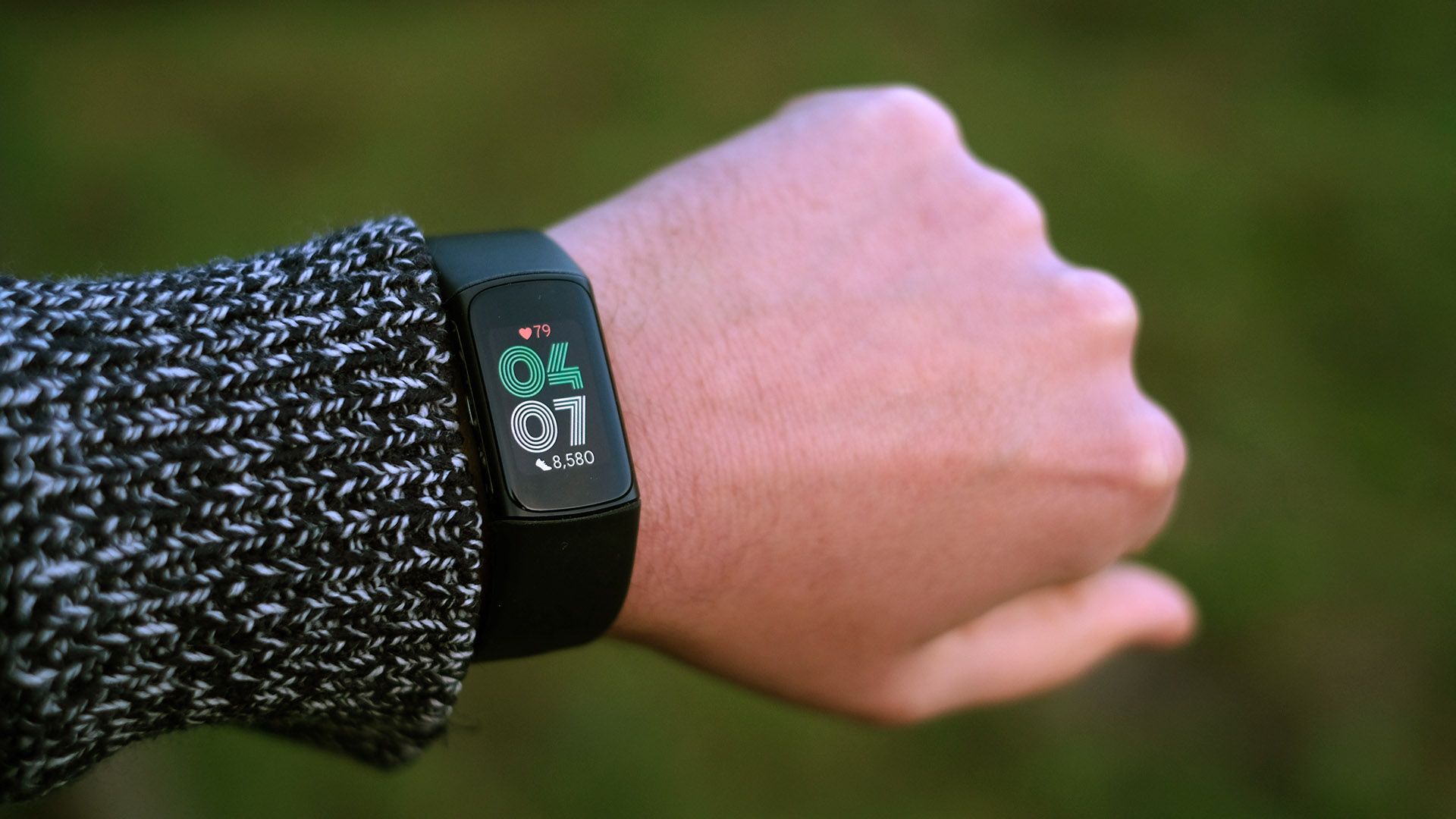
However, that’s not to say the current crop of trackers aren’t good. While we didn’t get on too well with the Fitbit Charge 6, awarding it only 3.5 stars in our review, the budget Fitbit Inspire 3 remains a solid set-and-forget tracker. It’s lightweight, slim, and can be worn on a clip or slipped into a pocket as well as on your wrist. It features automatic workout detection – once set up, you just have to start running for Fitbit to record it – and packs a week’s worth of battery life.
It’s everything a Fitbit should be, including arriving with six months’ worth of Fitbit Premium. With the new AI personal health coach, the six months’ free service should provide everything you need to kickstart getting into great habits, even if you don’t continue paying for the service. Fitbit Premium has quietly turned into a 4.5-star service that’s made its way onto our best fitness app list.
With the Google Pixel Watch 4 and its many Fitbit features doing so well, it’s with trepidation, amongst the many years of negative press, that I find myself actually looking forward to a new set of Fitbits.
Follow the Apple Watch SE 3’s example

The landscape has changed since Fitbit debuted its first digital pedometer at a TechCrunch event in 2009, and the fitness tracker market has become saturated. These devices are cheap to make, cheap to buy, and vary massively in quality: for every Xiaomi Smart Band 9, there are many other Amazon dupes that aren’t worth your time. The likes of Jawbone are no more. There’s room in this murky space for a trusted brand, and it’s time for Fitbit to lead the way once again.
To do this, it should look at the success Apple has had with the Apple Watch SE series. As I was testing the Apple Watch SE 3 after months of testing nothing but chunky-monkey Garmins, the Apple Watch Ultra 3, the Pixel Watch 4 and the Coros Apex 4, the Apple Watch SE 3 practically felt weightless on my hand (after all, it’s made from cheaper, lighter plastic and nylon composite rather than metal) and felt much more like a fitness tracker than a watch.
At the same time, it had everything casual fitness fans and Apple users could really want, while being priced affordably.

A Fitbit Inspire 4 or Charge 7 could really be treated like a Pixel SE. The Pixel Watch is a thick, domed device with heavier metal parts and tons of communication features, whereas the Fitbit is the slender, lightweight option that still offers access to the excellent Fitbit Premium service and its new AI coaching system. Sharing a bit of design language would help – maybe the same band colors as the Pixel Watch 4, or redesign the Fitbit’s body a bit so it more closely echoes the Pixel Watch 4’s pebble aesthetic.
It might even get a new name – many people I know still refer to fitness trackers as ‘Fitbits’ out of habit, so a single new device called the ‘Google Pixel Fitbit’ wouldn’t be too far out of pocket. This would position Fitbit as the cheaper, slimmer, fitness-oriented alternative to the bigger, do-it-all Google Pixel Watch 4.
I had forgotten how good lightweight fitness trackers could be until I tried the Apple Watch SE 3, and I think the time is ripe for Fitbit to place itself as a “Pixel Watch SE” of sorts. Here’s hoping the original fitness tracker can return to its former heights – now all we need is our community features back.
Follow TechRadar on Google News and add us as a preferred source to get our expert news, reviews, and opinion in your feeds. Make sure to click the Follow button!
And of course you can also follow TechRadar on TikTok for news, reviews, unboxings in video form, and get regular updates from us on WhatsApp too.

The best Fitbits for every budget
