

The German government’s new electric vehicle (EV) subsidy program, launched in May 2026, has created an unexpected administrative hurdle: applicants must now submit two years of tax returns to qualify, forcing many previously non-filing citizens into the system. The policy, designed to accelerate EV adoption, has sparked debates about its unintended consequences and market distortions, as carmakers adjust to the changes.
Tax Requirements Spur Unintended Consequences
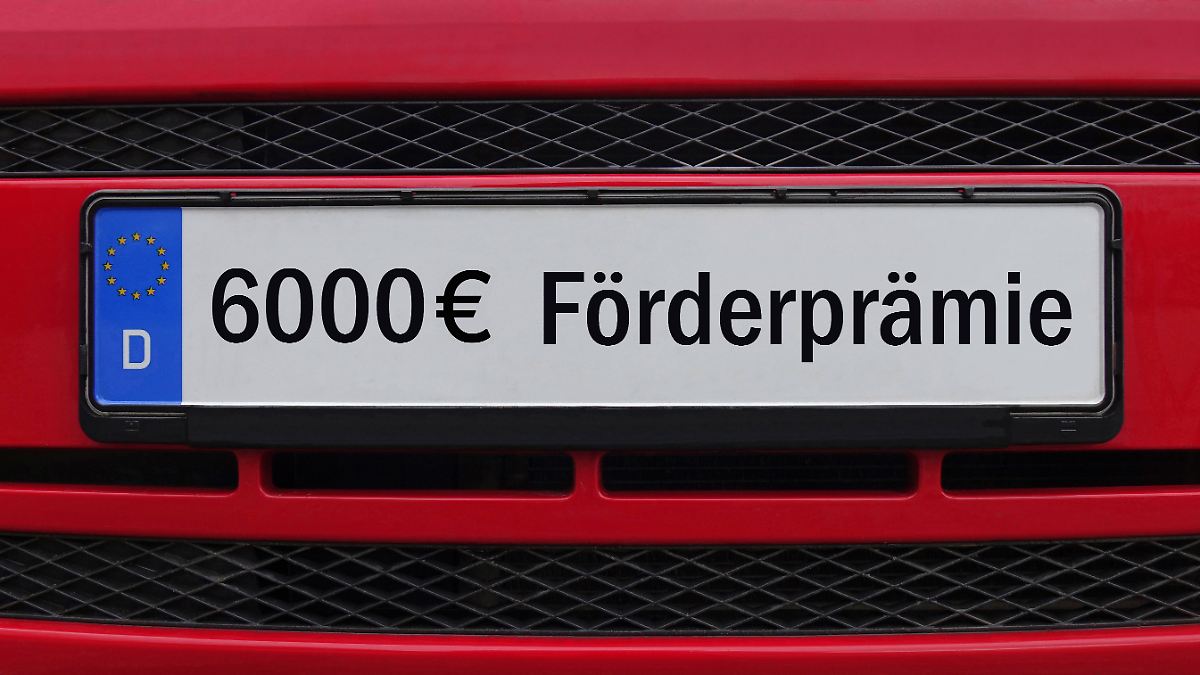
The federal subsidy, which provides up to 6,000 euros for new EV purchases, hinges on applicants proving their income through official tax documents. This requirement has caught many workers off guard, particularly those with solely wage-based income who previously had no obligation to file taxes. “Many employees don’t file tax returns at all because they aren’t required to,” said Daniela Karbe-Geßler of the German Taxpayer Association, highlighting the policy’s ripple effects. While the government insists this isn’t a new legal obligation, the practical reality is that without tax returns, applicants cannot access the subsidy.

The rule stems from the subsidy’s design, which ties eligibility to “taxable income” as defined by official tax assessments. This means even individuals who haven’t filed taxes in years may need to retroactively submit returns to qualify. “It’s not a new legal duty, but it creates a practical barrier,” Karbe-Geßler noted. The policy’s architects argue this ensures the subsidy targets lower-income households, but critics say it risks excluding those who don’t navigate the bureaucracy.
According to n-tv, the requirement has already led to a surge in tax return filings, with some citizens reporting confusion about how to proceed. The Federal Central Tax Office has issued guidance, but the process remains complex for those unfamiliar with the system.
Market Dynamics Shift as Subsidies Take Effect
The subsidy’s impact on the automotive market is equally contentious. While the program aims to boost EV sales, it has inadvertently altered pricing strategies. Auto dealers have reduced discounts on electric vehicles, with the average price reduction dropping from 19.5% in January to 18.6% by May 2026, according to the Center for Automotive Research (CAR). This shift has made EVs relatively more expensive compared to internal combustion engines, which saw stable discounts of 18.4%.
“The subsidy has created a paradox: it’s supposed to make EVs more affordable, but the market is pricing them higher,” said Ferdinand Dudenhöffer, a CAR analyst. The report found that the price gap between EVs and traditional cars widened by 643 euros, reaching 1,998 euros by May. This trend has disproportionately affected premium brands like Audi and BMW, which saw their discount rates remain high while volume manufacturers like BYD and Hyundai reduced theirs.
Leasing options have also faced scrutiny. While leasing offers flexibility, experts warn about hidden costs. “Leasing doesn’t always mean lower overall costs,” said Markus Lienkamp, a professor of vehicle technology at TU Munich. “Batteries are more durable now, but long-term ownership still offers greater value for those planning to keep their cars for years.”
Süddeutsche Zeitung reported that the subsidy’s focus on lower-income households has left premium automakers struggling. “The policy is benefiting volume models, not the German premium sector,” Dudenhöffer said. This imbalance has raised concerns about the long-term viability of high-end EV production in Germany.
Industry Reactions Highlight Uneven Impact
The subsidy’s effects have sparked sharp criticism from within the industry. While some automakers have embraced the policy, others argue it undermines their efforts to compete globally. “The subsidy is a double-edged sword,” said a BMW spokesperson. “It helps consumers but risks distorting the market in ways that could harm innovation.”
The policy has also drawn scrutiny for its potential fiscal burden. The German government has allocated 3 billion euros for the program, but analysts warn this could lead to higher taxes or reduced public spending. “This isn’t a free lunch,” wrote Frankfurter Allgemeine Zeitung. “The state will need to recoup these costs, likely through higher taxes or cuts to other programs.”
Despite these concerns, the program has driven a surge in EV registrations. The Federal Motor Transport Authority reported 249,000 new EVs registered in April 2026, a 41% increase from the previous year. However, this growth has come with challenges, including supply chain pressures and questions about long-term sustainability.
What’s Next for E-Auto Policy?
The coming months will test whether the subsidy can balance environmental goals with economic realities. Officials have signaled they may adjust the program to address market distortions, but any changes would require parliamentary approval. Meanwhile, the tax requirements remain a sticking point for many citizens.
Experts like Lienkamp argue the long-term success of the policy depends on addressing these issues. “The key is to ensure the subsidy doesn’t create new barriers,” he said. “If the government wants to drive EV adoption, it needs to simplify the process for everyone, not just the financially savvy.”
As the program unfolds, its impact will extend beyond the automotive sector, influencing tax policy, public finance, and the broader economy. For now, the debate continues: Is this a breakthrough for sustainable transport, or a costly misstep with unintended consequences?
“The subsidy has created a paradox: it’s supposed to make EVs more affordable, but the market is pricing them higher,” said Ferdinand Dudenhöffer, a CAR analyst. “The real question is whether the benefits outweigh the costs.”
